THC may support post-workout recovery by reducing inflammation, easing muscle soreness, and promoting relaxation and sleep. Topical THC provides localized relief without psychoactive effects, making it a practical option for athletes seeking pain relief without impacting performance or cognition.
Athletes Love a Little THC After Workouts
After a hard workout, most people hit the same wall. Muscles tighten, joints get loud, and the next day starts to look like a negotiation instead of a plan. That is where cannabis has quietly found its place. Not as a way to check out, but as something people use to stay in motion.
You hear it from all kinds of bodies. Lifters with cranky shoulders. Runners managing knee flare-ups. Gardeners who treat a long day like a full-body workout. The pattern is consistent. After training, they reach for something that helps them come back sooner and move better.
What they are looking for is simple:
- Pain relief that settles irritated joints and overworked muscles
- Muscle recovery that takes down inflammation without slowing them down
- Mental reset that lets the body shift out of that wired, post-effort state
THC shows up in that conversation because it interacts directly with how the body processes pain and stress. People describe looser movement, easier stretching, and a clearer transition from effort to recovery. That shift matters when consistency is the goal.
This is the territory where Sweet Releaf built its foundations. High-THC, full-spectrum topicals that work where you apply them. No head change. No interruption to your day. Just relief that helps you keep using your body the way you want to.
Let’s break down what actually helps and what doesn’t.
What, THC Is Good After a Workout?
There is a lot of confusion around this topic, mostly because people mix up performance with recovery. THC does not make you stronger. It does not increase endurance. It does not build muscle tissue. That work still comes from training, nutrition, and rest.
Where THC enters the picture is after the effort, when the body is dealing with the aftermath.
Every workout creates stress. Muscles break down, inflammation rises, and the nervous system stays activated longer than most people realize. Recovery is the process of bringing all of that back into balance so you can train again without stacking more strain on top of it.
This is where THC can play a role.
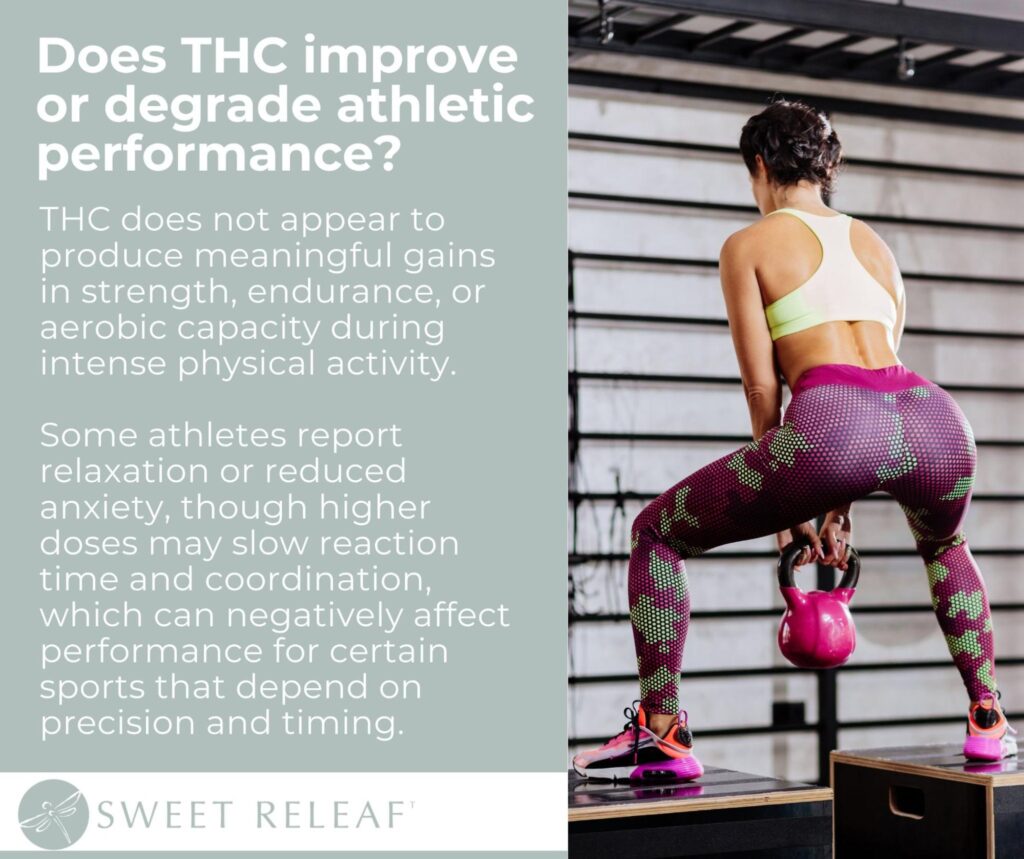
It Doesn’t Build Muscle, But It Changes How You Recover
THC interacts with the endocannabinoid system, which helps regulate pain signals, inflammation, and the body’s stress response. Instead of pushing performance higher, it can make recovery feel more manageable and more complete.
People often notice that movement comes back sooner. Tight areas loosen. That constant background soreness quiets down enough to stay active. There is also a shift in the nervous system, where the body settles out of that wired, post-workout state and into something more relaxed.
The Real Benefits of THC Post Workout
Once the workout ends, the real work begins. Recovery decides whether you build momentum or carry soreness into the next session. THC does not speed up muscle growth, but it can change how your body handles the stress you just created. That shift shows up in how you move the next day, how you feel getting out of bed, and whether you stay consistent.
Muscle Recovery Starts With Inflammation Control
Every workout creates small amounts of damage in the muscle fibers. That damage triggers inflammation, which is part of the repair process. The problem is when that inflammation lingers longer than it needs to. That is when soreness sticks around and movement feels restricted.
THC plays a role in regulating inflammation. By helping calm that response, it can take the edge off post-exercise soreness. This is especially noticeable with delayed onset muscle soreness, where discomfort peaks a day or two after training.
Recovery here is not about accelerating growth beyond what your body can do. It is about reducing the friction that makes it harder to get back into motion. When inflammation settles sooner, movement feels more natural again.
Pain Relief for Tired Muscles and Overworked Joints
There is a clear difference between THC and CBD when it comes to pain. CBD has its place, but many people find it falls short when the discomfort runs deeper. THC engages more directly with how the body processes pain, which is why it often feels more noticeable.
In real life, that shows up in very specific places:
- Knees that flare up after heavy squats
- Shoulders that tighten after pressing or pulling
- Lower backs that carry the load from long sessions
When those areas calm down, people move differently. They stretch more easily, walk without guarding certain joints, and return to activity with less hesitation.

The Mental Reset and Good Night’s Sleep
A hard workout does not just tax the muscles. It keeps the nervous system active and raises stress levels. That wired feeling can linger long after the session ends, even when the body is physically tired.
THC can help shift that state. Many people describe a sense of physical ease paired with a calmer mindset. That transition matters because recovery depends on how well the body can settle down.
Sleep plays a major role here. When the body relaxes enough to fall into deeper rest, repair processes run more efficiently. Waking up with less stiffness and more mobility often starts the night before.
Why Traditional Cannabis Doesn’t Quite Work for Active People
There is a reason many active people try cannabis once and walk away from it. The problem usually is not the plant itself. It is how it is used. Smoking, vaping, or taking high-dose edibles can pull recovery in the wrong direction, especially when the goal is to stay sharp, mobile, and consistent.
Smoking After a Workout Isn’t Helping Your Lungs
After training, your body is working to restore oxygen balance, heart rate, and breathing patterns. Introducing smoke into that process creates extra strain on the lungs right when they are trying to recover.
Over time, this can reduce how efficiently oxygen moves through the body.
People who train for endurance tend to notice this first. Breathing feels heavier, and recovery between efforts can take longer. It becomes a tradeoff that does not make much sense. If your goal is to build stamina and move well under stress, this approach works against you.
The High Can Work Against Your Goals
The psychoactive side of THC can also get in the way. A strong high affects coordination, reaction time, and focus. That might be fine at the end of the day, but it does not always fit into real life after a workout.
Many people still have things to do. Work does not stop. Family responsibilities are waiting. Even simple tasks can feel slower when the mind is foggy. There is also a longer view that comes up for people who train regularly. Will this carry into tomorrow. Will it affect how I show up for the next session.
Those questions tend to push people away from traditional THC use, even if they liked the relief it provided.
Competitors Face Drug Testing
For athletes, drivers, and many working professionals, there is another layer to consider. THC that enters the bloodstream can show up on drug tests. That creates a real barrier for anyone who needs to stay compliant while still managing post workout soreness.
This is where the difference between ingestion and topical use matters. When THC is eaten, smoked, or vaped, it circulates through the body and becomes detectable. A properly formulated topical stays localized in the tissue where it is applied. It does not produce a high and doesn’t present any testing risks.
Why THC Topicals Are the Missing Piece for Recovery
THC topicals make sense for active people because they deliver what post-workout recovery calls for: physical relief in the body, clear thinking in the mind, and a routine that fits real life.
After training, most soreness lives in specific places. A topical lets you respond to that exact area instead of sending THC through your whole system and hoping it lands where you need it.
Effective Without the High
This is the first thing people want to know, and it is a fair question. With a true THC topical, the answer is no. It does not produce the psychoactive effect people associate with smoking or edibles because it does not enter the bloodstream in that way.
Instead, it works locally through cannabinoid receptors in the skin and tissue beneath it, especially CB2 receptors involved in pain and inflammatory signaling. That means you can apply it after a workout, drive home and keep doing whatever comes next.
The relief stays focused on the body, which is exactly where recovery needs help.
Targeted Relief Where You Need It
This is where topicals really earn their place. You apply them directly to the muscle or joint that took the hit, and that direct contact creates a more precise recovery tool. Edibles are systemic. They wash through the whole body. Topicals are specific. They let you work on the exact spot that is sore, inflamed, or stiff.
That kind of precision matters after exercise because post-workout discomfort is rarely evenly distributed. Recovery often comes down to one or two problem areas that keep the rest of the body from moving freely. A localized topical response helps reduce that friction faster.
No Worry About Testing, Timing, or Tolerance
Topicals also remove a lot of the mental math. There is no timing a high, no wondering whether a dose will linger too long, and no need to build your evening around psychoactive effects.
Since the THC stays localized rather than circulating systemically, it does not present the same concern as smoked or ingested THC for people who think about testing.
It also avoids the tolerance game. You are applying for relief, not chasing a feeling, which makes the routine steadier and easier to trust.

Where to Find THC Cream That Works Post Workout
Finding a THC cream that actually helps after a workout comes down to how it is made, not how it is marketed. A lot of products look similar on the surface, but the way the cannabis is sourced, processed, and delivered into the skin determines whether you feel a real shift or just a temporary cooling sensation.
Whole-Plant vs Isolated Cannabinoids
The first thing to look for is whether the product uses whole-plant cannabis or isolated compounds. Full-spectrum formulations contain the natural range of cannabinoids and terpenes working together. That interaction creates a broader and more noticeable effect on pain and inflammation.
Isolate-based products take THC or CBD on its own and remove the rest of the plant. That can limit how effective the topical feels, especially for deeper soreness. Distillates fall into a similar category. They may carry potency on paper, but often lack the balance that helps the body respond more fully.
For post-workout recovery, that difference shows up quickly. Full-spectrum products tend to feel more complete, especially when soreness runs deeper than the surface.
What Makes Sweet Releaf Different
Sweet Releaf was built around solving that exact problem. The goal was never to create a novelty product. It was to make something that people could rely on when pain starts to interfere with movement.
- High THC, full-spectrum formulations
- Emulsion-based body butter designed for deeper penetration
- Handmade in small batches with consistent quality
- Built for chronic pain and active lifestyles
The emulsion base matters here. By combining water and oil in a stable structure, it allows the cannabinoids to move through the skin more effectively than traditional oil-heavy salves.
Sweet Releaf Roll-ons for Post-Workout Recovery
Cooling Relief for Inflammation & Overworked Muscles
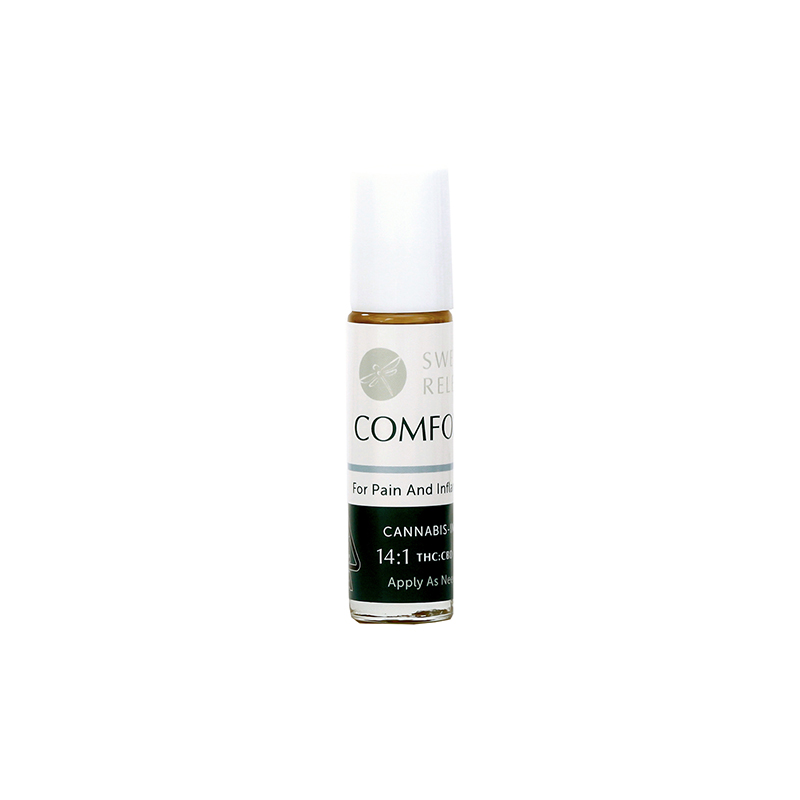
Comfort Cools is a strong fit when heat and swelling are present after a session.
- Swelling after long runs or intense training
- Post-run legs that feel heavy and inflamed
- Joints that feel hot and irritated
Warming Relief for Tight, Stiff Areas
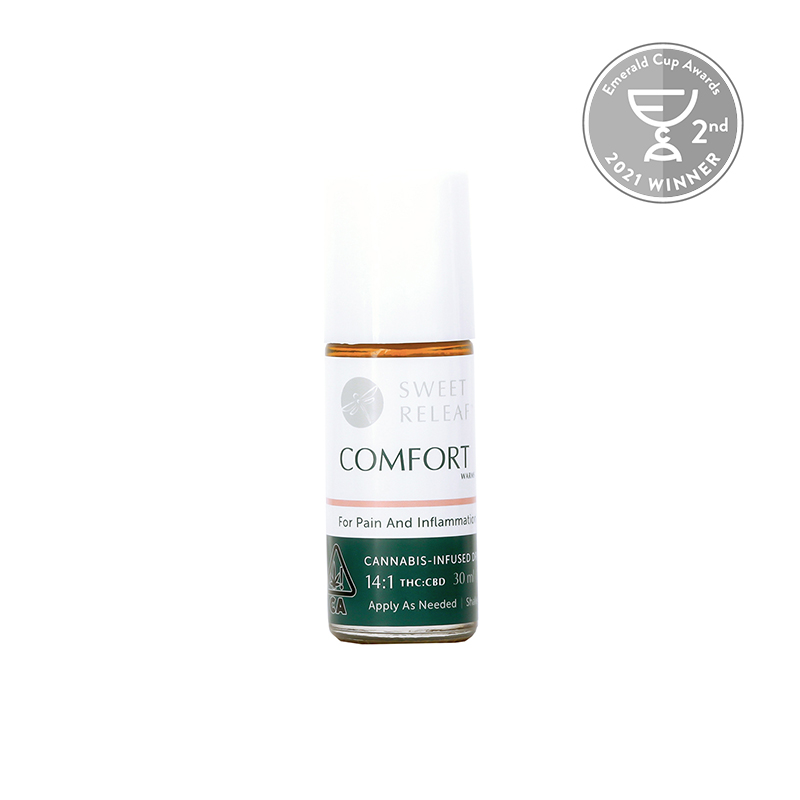
Comfort Warms works better when muscles feel tight and restricted.
- Tight muscles that need to loosen up
- Deep soreness that sits below the surface
- Pre or post mobility work to improve movement
Train Hard. Recover Smarter.
Go move your body again tomorrow.
That can only happen if you manage to recover from yesterday’s workout. Your body needs proper maintenance and you need to pay attention to its needs so it can keep performing at the highest level.
That’s the whole point.
Use something that helps your body reset where it took the load. Something like a cannabis cream that soothes the pain and refreshes the muscles.
Work out again tomorrow and actually feel like it.
Find Sweet Releaf products at your local dispensary and try it on the spots that usually hold you back from doing more in your workout.