Most people reach for a cannabis cream when their back tightens up or their knees complain after a long day. That reputation makes sense. Cannabis topicals have earned their place in muscle and joint care.
Skin has its own relationship with cannabinoids. It carries CB2 receptors throughout its layers, which means it responds locally when whole-plant cannabinoids are applied to the surface. That response affects comfort, reactivity, and how well skin maintains balance under stress.
Sweet Releaf emulsions were developed with that kind of support in mind. They:
- Deliver water-based hydration through an aloe-rich emulsion phase
- Provide whole-plant cannabinoid contact directly where skin receptors live
- Help soothe reactive areas exposed to cold, sun, or activity
- Support moisture retention without leaving a heavy, waxy coating
- Absorb evenly so skin feels conditioned rather than coated
Our approach has remained consistent since the beginning. We formulate with whole-plant, full-spectrum cannabis because the plant works best in its complete form and we keep THC levels high. Every formula is designed for local action, which means no psychoactive effect and no disruption to daily function.
If your skin feels tight by midday or unsettled after weather or movement, the next sections explain what is happening and how to use Sweet Releaf to support lasting hydration.
Why Your Skin Struggles to Stay Hydrated
Skin does not lose hydration randomly. When dryness shows up, there is usually a combination of environmental stress, routine habits, and biological shifts behind it. Once you see those patterns clearly, it becomes much easier to support the skin in a way that actually holds.
What Causes Dry Skin in the First Place
After forty, the skin gradually produces fewer surface lipids. Those lipids help slow water loss. As they decline, moisture escapes more easily and texture changes begin to show.
Over-cleansing accelerates that process. Morning washing with foaming cleansers or hot water strips protective oils that the skin worked overnight to produce. Many people trying to “refresh” their skin each morning are quietly thinning their barrier.
Low humidity adds another layer. Indoor heating during colder months pulls moisture from the air. Skin follows the gradient and releases water into that dry environment. Wind exposure does the same, especially on the neck and hands.
Sun and outdoor activity contribute in subtler ways. Repeated UV exposure alters the lipid matrix. Long days outside increase friction, sweat, and washing frequency, which compounds moisture loss.
Retinoids and exfoliants speed up cellular turnover. That can be helpful in many contexts, yet it also increases transepidermal water loss when the barrier is not supported alongside it.
Chronic low-level inflammation, whether from sensitive skin conditions or environmental irritants, keeps the barrier in a constant state of repair. Frequent washing, especially of hands and forearms, steadily removes protective oils before they can stabilize.
Why Some People Are Prone to Dry Skin
Certain skin types carry more vulnerability from the start. Eczema-prone or barrier-compromised skin loses moisture quickly. Post-procedure skin remains fragile for weeks. People who spend time outdoors face repeated environmental stress.
Anyone already dealing with inflammation often experiences tightness sooner and more intensely.
This is why hands and neck sometimes look older or drier than the face. Those areas receive more exposure, more washing, and less consistent care. They simply endure more.
Which Parts of the Body Need Hydration the Most?
Some zones lose moisture faster and show it sooner. These areas benefit from consistent, targeted support:
- Hands
- Elbows
- Knees
- Neck
- Abdomen
- Scar tissue
- Sun-exposed patches
These regions combine thinner skin, frequent movement, environmental exposure, and repeated washing. Giving them focused hydration changes how the entire body feels by the end of the day.
What Sweet Releaf Topicals Can Do for the Skin
Hydration support works best when formulation and biology align. Sweet Releaf creams were developed with that alignment in mind. Every ingredient has a functional role in how the product feels, absorbs, and interacts with living skin.
What’s Inside Sweet Releaf Creams
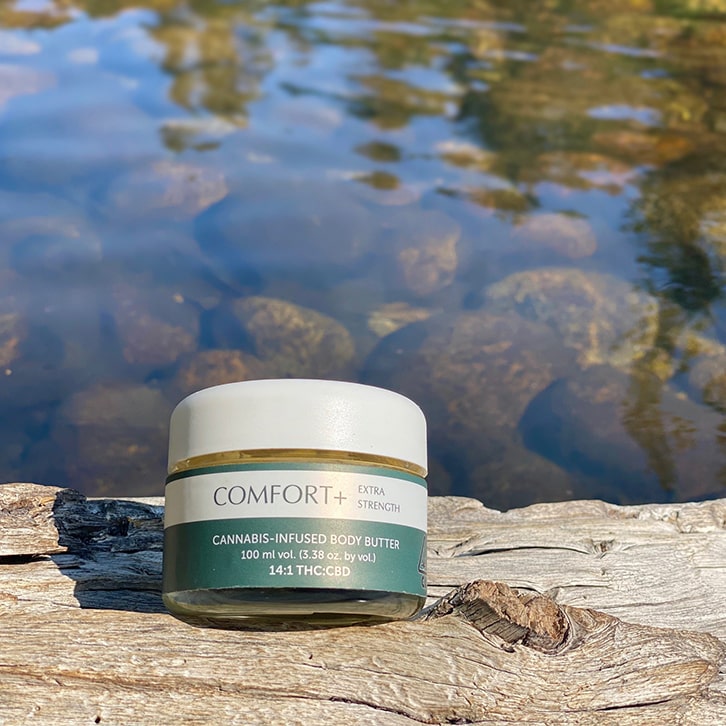
Sweet Releaf formulations begin with whole-plant, full-spectrum cannabinoids. Using the complete plant profile preserves minor cannabinoids and plant compounds that work together at the skin level. The formulas are THC-forward, with a modest amount of CBD included to support a broader cannabinoid presence.
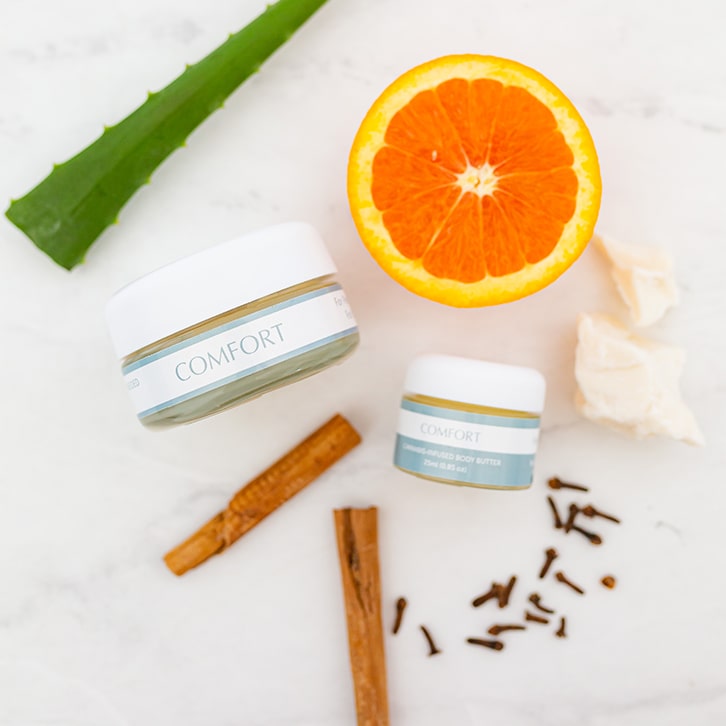
The base is a true emulsion. The water phase, led by aloe, delivers direct hydration to the surface layers. The lipid phase, composed of carefully selected butters and oils, helps seal that hydration into the skin so it remains flexible throughout the day.
Essential oils are included with purpose. Cooling botanicals create a refreshing sensation that complements inflamed or overheated areas. Warming botanicals encourage a gentle increase in circulation in areas that feel tight or stagnant.
The formulations avoid distillates and hemp-only CBD isolates. They are built around whole-plant cannabis and clean supporting ingredients without toxic preservatives. The result is a cream that behaves like skincare while carrying meaningful cannabinoid content.
How Cannabinoids Interact With Your Skin
Skin contains CB2 receptors distributed throughout its layers. When whole-plant cannabinoids are applied topically, they interact locally with those receptors.
This interaction remains at the level of the skin rather than entering systemic circulation in the way transdermal patches are designed to do.
Because the action stays localized, these creams can be used during the day without altering cognition or daily performance. They integrate easily into routines that include work, driving, exercise, and regular activity.
Which Sweet Releaf Product Makes Sense for Hydration
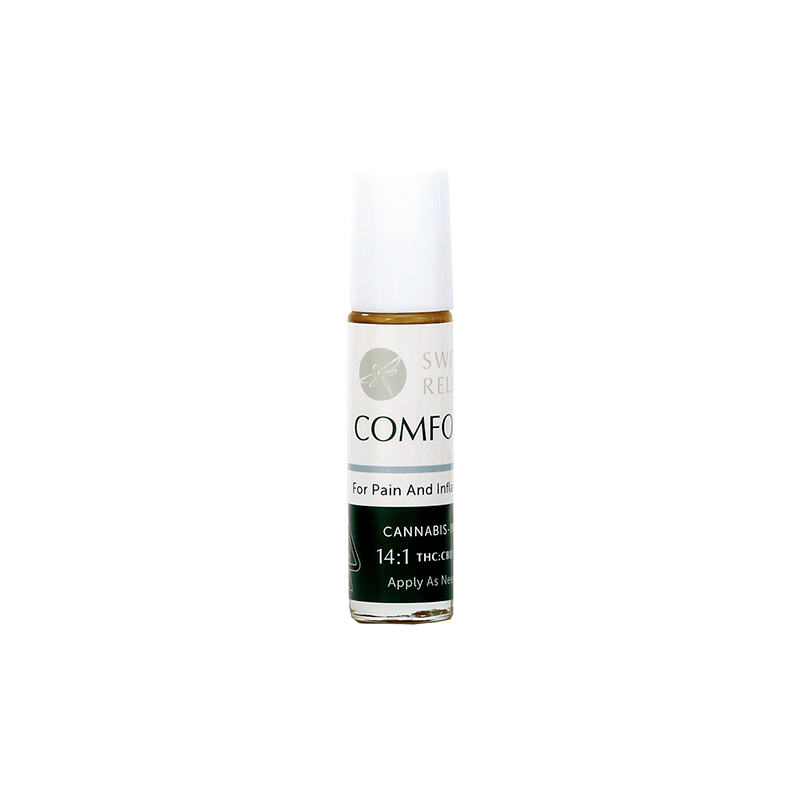
- Comfort Cools provides a cooling botanical profile that pairs well with skin that feels warm, reactive, or sun-exposed. It suits warmer climates and post-activity use when the skin needs calming hydration.
- Comfort Warms features warming botanicals that complement areas that feel tight or circulation-challenged. It pairs well with colder seasons and with zones that benefit from a gentle warming sensation alongside hydration support.
Why Emulsions Are Better Than Salves for Dry Skin
The format of a topical matters as much as the ingredients inside it. Texture, structure, and how a product sits on the skin determine whether hydration improves or simply feels heavier. This is where emulsions and salves begin to separate in performance.
Salves Sit on Top, Emulsions Integrate
Traditional salves are built from oil and wax. They create a dense, protective layer across the surface of the skin. That layer slows water loss by acting as an occlusive shield.
Occlusion has its place. It can help shield compromised skin from harsh environments. Yet a wax-heavy base often remains on the surface rather than moving into the upper layers. The result can feel greasy, especially on areas like hands, neck, or behind the knees where movement is constant.
Salves trap what is already there. They do not introduce hydration on their own because they contain little to no water phase. For someone seeking comfort from dryness, that difference becomes noticeable over the course of a day.
Emulsions Combine Water and Oil for True Hydration
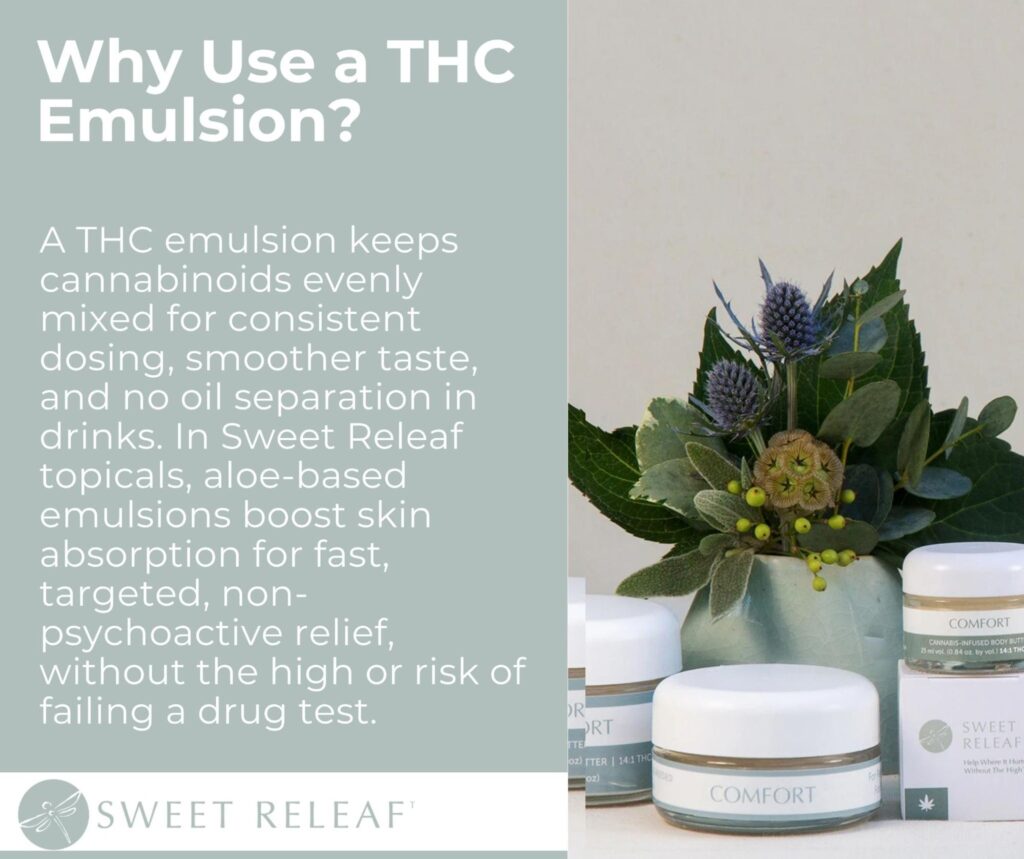
An emulsion blends water and oil into a stable structure. In Sweet Releaf creams, the water phase is led by aloe, which delivers direct hydration to the surface layers. The lipid phase follows by helping seal that hydration into place.
High-shear mixing allows the oil and water components to form a uniform blend. That structure spreads evenly across the skin and feels lighter during application. The cream moves with the skin rather than resting on top of it.
Because both hydration and sealing occur in a single formula, the skin receives moisture and support in one step. The finish feels more like skincare than a balm from a tin.
Improved Cannabinoid Contact and Absorption
Structure also influences how cannabinoids interact with the skin. In an emulsion, cannabinoids disperse more evenly across the surface rather than remaining suspended in a thick wax base. That dispersion increases the area of contact with receptor-rich layers of the skin.
Emulsions support improved cannabinoid contact by:
- Allowing more uniform distribution across the application area
- Increasing surface contact with CB2 receptor sites
- Reducing the physical barrier created by heavy waxes
- Supporting faster settling into the upper skin layers
- Limiting transfer onto clothing so more remains where applied
This is a practical advantage rather than a dramatic claim. Better dispersion and closer contact simply support more consistent performance.
Using Sweet Releaf Alongside Your Existing Skincare
Skincare products share the same real estate: the surface of the skin, the upper layers where barrier function lives, and the daily rhythm of cleansing, friction, weather, and movement.
Sweet Releaf emulsions fit into that ecosystem because they behave like skincare first. Both cannabis and botanicals work in a local, skin-facing way, and the emulsion format supports the basic job your skin asks for every day: hold onto moisture and stay comfortable.
Where It Fits in a Routine
Sweet Releaf creams tend to pair best with routines built around hydration and barrier support.
The emulsion format matters here. Water and lipids are already organized together, so the cream can sit in the role of a primary moisturizer instead of acting like an extra layer that competes with everything else. When a routine includes a simple hydrating serum, the interaction usually feels smooth because the serum contributes water-binding support and the emulsion contributes a comfortable seal plus cannabinoid contact at the skin level.
Routines that stay consistent often see the best results, especially on hands, neck, and other high-exposure areas.
Smart Synergies
Hyaluronic acid products often pair well with Sweet Releaf because they draw moisture toward the upper layers and help skin feel more pliable. A well-made emulsion supports that by keeping the surface conditioned across the day.
Environmental humidity can reinforce the same goal. Indoor air with more moisture supports skin comfort during colder months, especially when indoor heat runs regularly. Gentle cleansing also changes the whole equation.
When cleansers preserve skin lipids, moisturizers perform more predictably, and the skin tends to tolerate botanicals more comfortably. When retinoids or exfoliants are part of a routine, steady moisturizing support can help the skin stay even-feeling while turnover increases.
Keeping Skin Hydrated Is an Ongoing Conversation
Skin shifts with the seasons, with age, with stress, with long days outside and long nights indoors. What felt balanced last year can feel tight this winter. What worked in summer may need reinforcement when the air turns dry.
Hydration is not a one-time fix. It is steady support that protects the barrier so skin can handle those changes without feeling strained.
A well-formulated cannabis-based emulsion becomes part of that steady rhythm. It reinforces comfort, supports flexibility, and helps skin maintain its equilibrium over time.
To get all the help you can get for your needy skin, visit sweetreleaf.com or ask for our products at your local dispensary.