
THC may help athletes recover after training by reducing pain, calming inflammation, relaxing muscles, and improving sleep quality. These effects support recovery rather than performance enhancement. Many athletes use THC products after workouts to manage soreness and maintain consistent training.
Use the Plant to Balance Your Body
Athletes have always pushed through pain. Training culture celebrates grit, sweat, and long days that leave muscles tight and joints aching. The real challenge begins after the workout ends. Recovery decides whether tomorrow brings progress or another round of inflammation and stiffness.
THC interacts with the body’s endocannabinoid system, a network of receptors that helps regulate pain signals, inflammation, mood, and sleep cycles. When that system receives support, the body moves toward balance and repair.
Athletes who explore THC usually discover benefits that fit neatly into the recovery process.
- Reduced soreness after demanding workouts
- Calmer inflammatory response in overworked muscles
- Relaxation of tight or spasming muscle tissue
- Deeper sleep that supports tissue repair overnight
- Relief for nagging injuries that disrupt training routines
Sweet Releaf has spent years working with athletes, gardeners, hikers, and people who simply want their bodies to move again. Our work centers on topical cannabis formulas made with high levels of whole-plant THC that deliver relief without intoxicating effects.

The sections ahead explore how THC supports athletic recovery, how topical cannabis works on sore muscles and injured joints, and why many active people are turning toward plant medicine as part of their routine.
Can THC Actually Improve Athletic Performance?
Athletes often hear claims that cannabis can boost performance. The idea circulates in gyms, locker rooms, and endurance communities where experimentation with recovery tools is part of the culture.
The reality looks more nuanced. THC influences how the body feels and recovers rather than how fast it runs or how much weight it lifts.
What the Research Actually Shows
Current research does not show that THC increases measurable performance markers such as strength output, endurance capacity, or VO2 max. Studies examining cannabis and exercise performance remain limited in number and many were conducted decades ago using very small participant groups.
Researchers studying physiological responses to THC have observed changes in cardiovascular activity. A temporary increase in heart rate appears frequently after THC consumption. This effect may influence how exercise feels during moderate workloads, particularly in endurance activities.
Measurements of muscular strength, aerobic capacity, and work output generally show no meaningful improvement after THC use. Some studies even report slightly shorter time to exhaustion during controlled exercise tests, though the results remain inconsistent and difficult to apply to real training environments.
The takeaway from current evidence is straightforward. THC supports recovery processes rather than acting as a performance enhancer.
Why Some Athletes Still Use THC Before Training
Despite the research, some athletes continue experimenting with small amounts of THC before activity. The motivation usually relates to mental state rather than physical capability.
Competition often creates intense nervous energy. Some athletes report that THC helps settle pre-event tension and creates a calmer mindset. A relaxed mental state can help certain competitors feel more present during a game or training session.
Others describe a shift in perception during exercise. Effort may feel more manageable and repetitive movements can feel more rhythmic. Distance runners and cyclists sometimes mention that a low dose helps them find a steady groove during long sessions.
Microdosing has emerged from this experimentation. Very small doses of THC allow athletes to explore these effects while avoiding heavy intoxication.
When Pre-Workout THC Can Backfire
THC affects each athlete differently. Reaction time may slow in sports that demand rapid decisions or precise timing. Elevated heart rate during exercise can also make high-intensity training feel uncomfortable for some people.
Coordination matters in activities such as climbing, skiing, and team sports where split-second movement patterns determine performance. In these settings THC may interfere with the body’s natural rhythm rather than enhance it.
For that reason many athletes who use cannabis reserve it for recovery periods rather than active training.
Where THC Really Helps Athletes: Recovery
Training pushes the body into controlled stress. Muscles break down, joints absorb impact, and the nervous system runs hot for hours after activity ends. Progress depends on how well the body restores balance once the work is done.
THC shows its real value in this stage of the cycle. Rather than boosting speed or strength, it supports the systems responsible for repair.
Relaxing Muscles After Hard Training
Heavy training leaves muscles tight and irritable. Distance runners feel it in the calves and hips. Lifters notice it through the back and shoulders. Repeated contractions can also trigger small spasms or stubborn knots that resist stretching.
THC interacts with the endocannabinoid system, a signaling network that helps regulate nerve activity and muscle tone. When cannabinoids bind with receptors in this system, the body begins dialing down stress signals coming from overworked tissue.
Athletes often describe a gradual shift rather than a sudden effect. Tight muscles begin to release their grip. Areas that felt locked after training start to move again. Once the tissue relaxes, stretching, mobility work, and massage become more effective.
Inflammation: The Hidden Barrier to Progress
Every demanding workout produces microscopic damage inside muscle fibers. The body answers with inflammation that initiates repair. That response is necessary, though excessive inflammation can leave athletes sore and stiff long after training ends.
The endocannabinoid system also helps regulate immune activity. THC interacts with receptors involved in inflammatory signaling, which can help calm the body’s response once the repair process begins.
When inflammation settles sooner, muscles regain mobility and joints feel less irritated. Athletes can return to normal training rhythm instead of dragging soreness through the week.
Better Sleep = Better Performance
The deepest recovery happens during sleep. Hormonal cycles that drive tissue repair activate at night. Growth hormone rises, muscle fibers rebuild, and the nervous system resets from physical stress.
Athletes often struggle to fall asleep after intense training because the body remains in a stimulated state. THC can help quiet that heightened nervous activity, making it easier to settle into sleep.
Once sleep begins, the body moves through the biological work that restores strength and endurance. Consistent rest allows those repair systems to finish their job before the next training session begins.
THC and Athletic Injuries: A Different Approach to Pain
Athletic injuries change the rhythm of training. A strained shoulder, irritated knee, or pulled hamstring can turn everyday movement into a reminder that something needs time to heal. For years the standard response involved prescription painkillers or strong anti-inflammatory drugs.
Many athletes are now exploring cannabis as a different way to manage pain while allowing the body to recover.
Managing Pain Without Opioids
Injured athletes often face a difficult choice. Continue training through pain or rely on medications that carry unwanted side effects. Prescription painkillers can dull discomfort, though they also bring risks that many active people prefer to avoid.
Cannabis has become an alternative that some athletes feel more comfortable using during recovery periods. THC interacts with receptors connected to pain signaling in the nervous system. When these pathways receive cannabinoid signals, the body often interprets pain differently.
Instead of completely blocking sensation, THC tends to soften the intensity of discomfort.
Athletes describe it as a shift in perception where the body still communicates injury, yet the sensation becomes easier to tolerate. That change can help athletes stay mobile, stretch carefully, and continue gentle movement that supports rehabilitation.
Supporting the Body’s Healing Process
Injury always triggers inflammation. The body sends immune signals to the damaged area so tissue can begin repairing itself. During this stage the surrounding muscles and skin may feel swollen, irritated, and sensitive to movement.
Topical cannabis offers a localized approach to this problem. When THC is applied directly to the skin, cannabinoids interact with receptors in nearby tissues without circulating through the bloodstream. This allows athletes to focus relief exactly where the injury sits.
Athletes often apply topical cannabis to joints, ligaments, and sore muscle groups while the body works through its repair cycle. The surrounding tissue relaxes, the skin absorbs the plant compounds, and the injured area receives relief that stays concentrated where it is needed most.

Why Topical THC Makes the Most Sense for Athletes
Athletes who explore cannabis quickly discover that the delivery method matters as much as the compound itself. Smoking or edibles affect the entire body and mind, which can complicate training schedules or daily responsibilities.
Topical THC works differently. It focuses relief exactly where the body needs it while leaving the mind clear.
Relief Without Getting High
Topical cannabinoids interact primarily with CB2 receptors located in the skin, muscles, and connective tissue. These receptors are part of the body’s endocannabinoid system, which regulates inflammation, pain signaling, and immune activity in peripheral tissues.
When THC is applied directly to the skin, the cannabinoids bind with these local receptors instead of traveling through the bloodstream. The result is a localized effect centered on the muscles and joints beneath the application area.
Athletes often feel this as gradual easing in tight tissue. A sore shoulder, irritated knee, or overworked calf begins to loosen as the surrounding muscles relax. Because the cannabinoids remain concentrated near the surface tissues, the brain does not experience the psychoactive effects associated with inhaled or ingested cannabis.
Why Athletes Prefer Topicals Over Edibles or Smoking
Topical cannabis fits neatly into an active routine because the effects remain focused and predictable. Athletes can apply it before or after activity and continue with daily responsibilities without mental fog.
Common reasons athletes prefer topical THC include:
- No cognitive impairment, allowing full focus during training or work
- Predictable onset, since absorption begins as soon as the product is massaged into the skin
- Targeted application, which allows athletes to treat specific joints or muscle groups instead of affecting the whole body
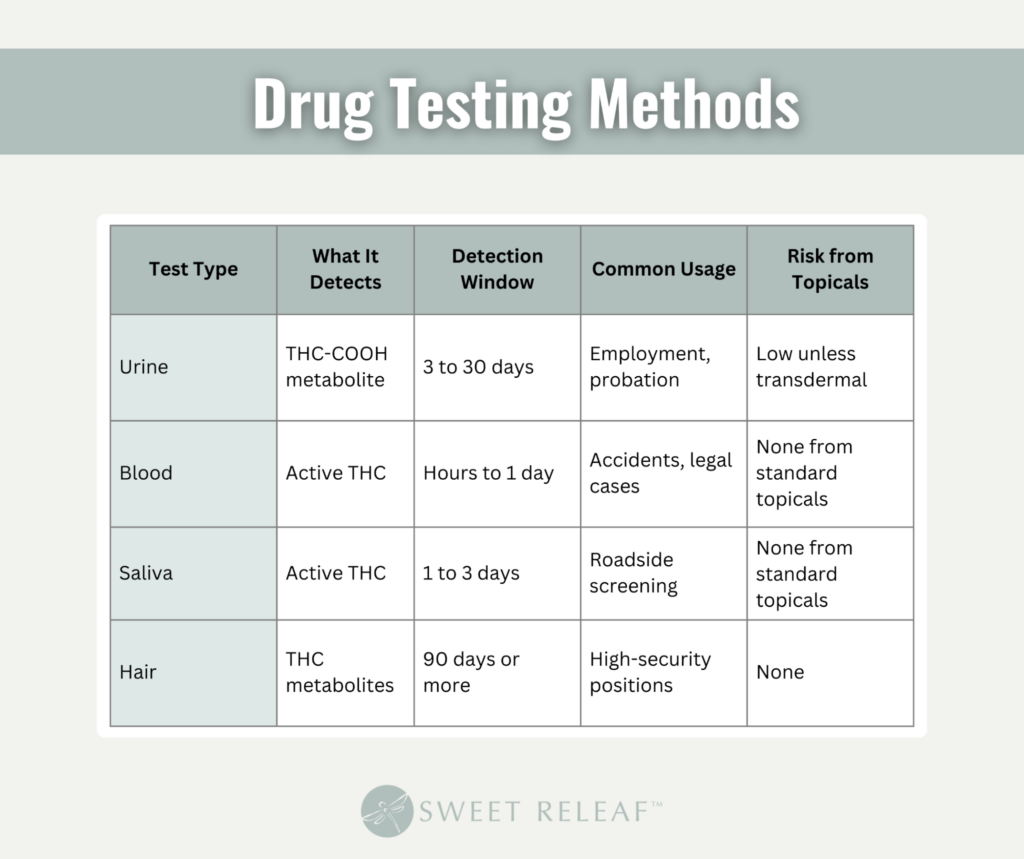
Will THC Topicals Show Up on a Drug Test?
Drug testing concerns often make athletes cautious about cannabis. Standard topical formulas provide reassurance because the cannabinoids remain in skin tissue rather than circulating through the bloodstream.
Unless a product is specifically designed as a transdermal patch, the cannabinoids do not cross into systemic circulation. Instead they stay concentrated in the local tissue layers where the product was applied.
This localized behavior is one reason many athletes feel comfortable using topical THC as part of their recovery routine. They receive the plant’s pain-relieving properties while maintaining mental clarity and avoiding the systemic exposure associated with other forms of cannabis.
Sweet Releaf: A Trusted THC Topical for Athletes
Athletes tend to judge recovery tools the same way they judge equipment or training plans. If something works, it stays in the routine. If it fails, it disappears quickly.
Sweet Releaf built its reputation with people who depend on their bodies every day. The formulas focus on high-THC topical relief that reaches sore tissue quickly while keeping the mind clear.
Why Sweet Releaf Stands Apart
Sweet Releaf products begin with whole-plant cannabis rather than isolated cannabinoids. This approach keeps the full spectrum of natural compounds present in the plant, which many users feel provides stronger relief than diluted formulations.
The body butter formulas use an emulsion technology that blends oil and water into a smooth cream rather than a heavy salve. That structure allows the product to absorb rapidly into the skin while carrying cannabinoids deeper into the surrounding tissue. Athletes often notice the difference when working the cream into sore muscles after training.
High concentrations of THC support the pain relief many active people are seeking. The formulas are designed to calm irritated joints, loosen tight muscle groups, and help the body settle after demanding movement.
Two Sweet Releaf Products Athletes Love
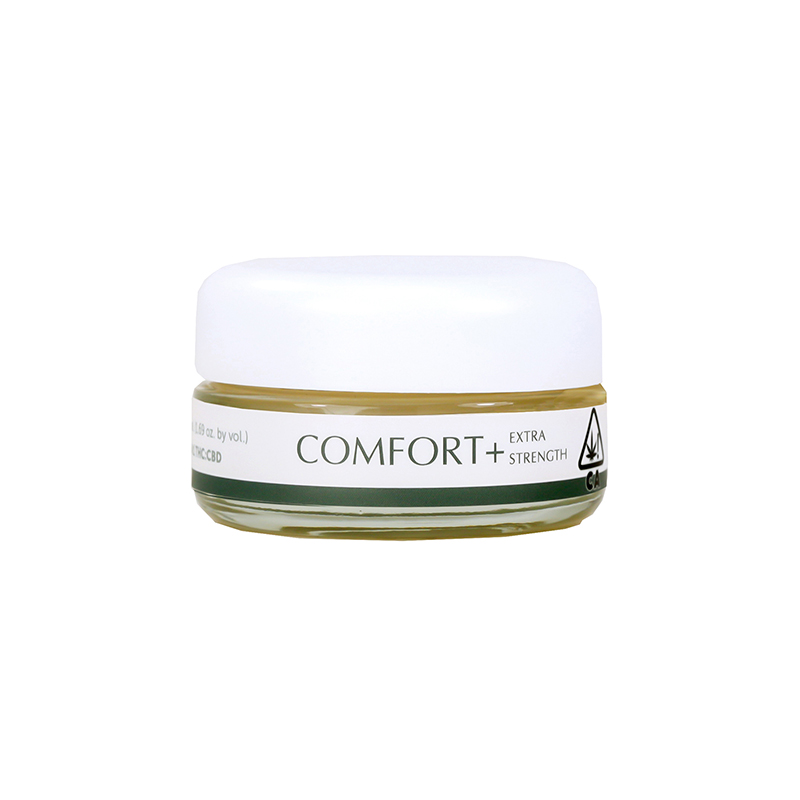
Many athletes reach first for Comfort+ Extra Strength Body Butter when deeper muscle soreness sets in. This high-potency THC topical is often used on shoulders, hips, knees, and lower backs that carry the load of intense training.
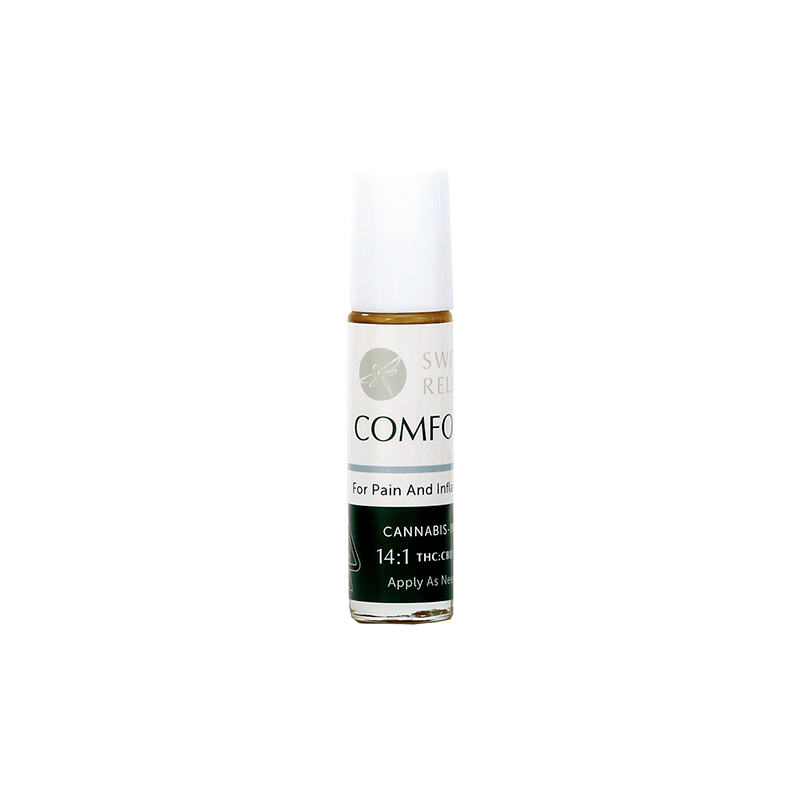
After long workouts or outdoor sessions, athletes also rely on Comfort Cools Roll-On. The cooling sensation refreshes tired muscles while the portable roll-on design makes it easy to apply relief wherever the day leads.
Discover A Smarter Way to Recover
Athletes have always experimented. New shoes, new training plans, cold plunges, compression sleeves, strange foam rollers that look like medieval tools. Progress often comes from curiosity and a willingness to try something different.
Cannabis recovery has quietly entered that same conversation. As more athletes talk openly about how they care for their bodies, THC topicals are finding their place alongside stretching, massage, and mobility work.
Topical cannabis offers a practical option for modern athletes who want relief without clouding their focus. Applied directly to sore muscles and overworked joints, it works with the body’s own systems while leaving the mind clear.
If you’re ready to explore recovery beyond traditional pharmaceuticals, take a closer look at Sweet Releaf. Find out more about our products, or find a nearby retailer and try them yourself.