Yes, THC may help reduce inflammation by interacting with your body’s endocannabinoid system.
Research and real-world use show THC (especially in topicals) can target localized pain and swelling without the high, especially when combined with CBD and other whole-plant compounds.
While early studies offer mixed results, mounting evidence and user experiences suggest that THC, particularly in non-psychoactive topical forms, may help regulate immune responses and calm inflammation in a variety of scenarios:
- Seniors with arthritis often find that THC topicals ease joint stiffness and restore mobility, without affecting cognition or mood.
- Post-surgery patients report faster recovery, less swelling, and reduced opioid use when using high-THC creams.
- Athletes with overuse injuries benefit from roll-on formulations that soothe sore muscles and support post-workout recovery.
- Chronic pain sufferers seeking alternatives to opioids find that THC-based topicals offer real relief without sedation or addiction.
- Cannabis-curious individuals who want relief but are cautious about getting high appreciate the non-psychoactive benefits of topicals.
Sweet Releaf specializes in high-THC, full-spectrum topicals designed specifically for pain and inflammation, without the high.
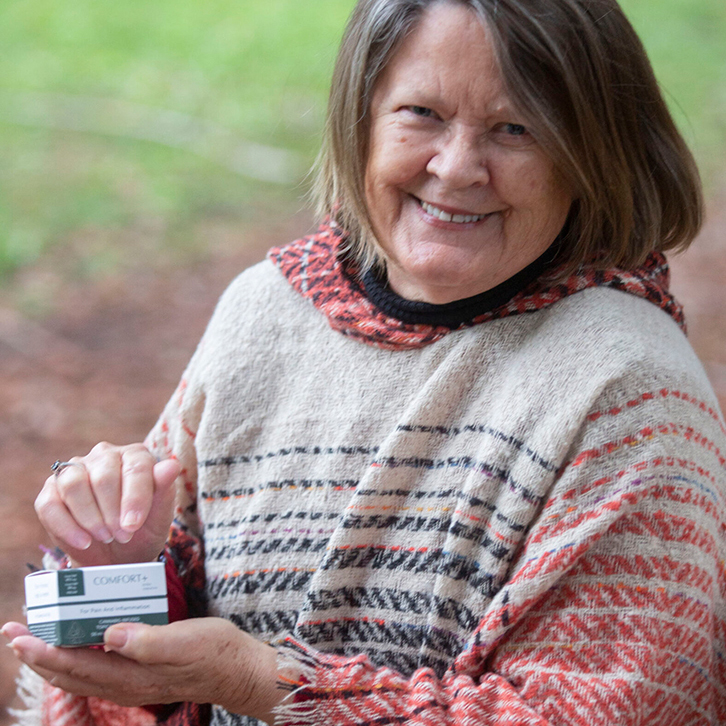
Whether you’re recovering from surgery, dealing with chronic pain, or want to get back in the garden without wincing, our Comfort+ line and Ayurvedic roll-ons are made to help where it hurts.
If you’re looking for a deep dive into how THC actually works for inflammation, and when it doesn’t, keep reading.
We’ll break down the science, the real-life results, and what to look for in a topical that actually works.
THC and Inflammation: What the Science Actually Shows
The short answer? THC can both reduce and promote inflammation, depending on how it’s used, how much is used, and who’s using it.
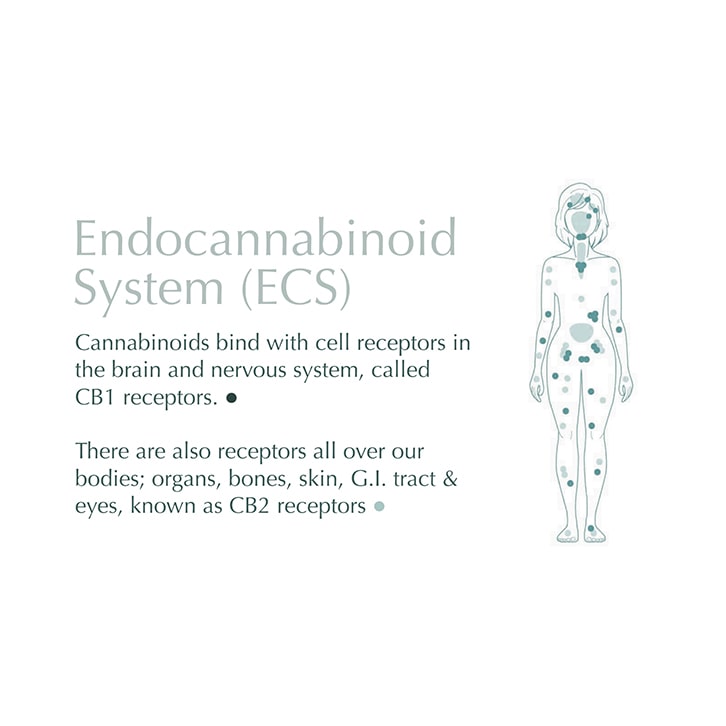
THC interacts with the body’s endocannabinoid system (ECS), a regulatory network that helps maintain balance in immune response, pain, and inflammation.
Specifically, THC binds to CB1 and CB2 receptors.
CB1 receptors are found mostly in the brain and nervous system, while CB2 receptors live in the immune system, where inflammation originates.
The Role of CB2 in Inflammation Relief
When THC activates CB2 receptors, it can downregulate inflammatory responses by suppressing cytokine release, calming overactive immune signals, and preventing excess immune cell recruitment to injury sites.
That’s why studies have found THC to be beneficial in conditions like multiple sclerosis, inflammatory bowel disease, and rheumatoid arthritis, where systemic inflammation plays a key role.
So, Why the Confusion?
Some studies report that THC worsens inflammation. But the devil is in the details. At high doses, THC can overstimulate the ECS and potentially provoke immune stress.
Smoking THC introduces heat and combustion byproducts, like benzene and tar, that can irritate the respiratory system, creating inflammation even as the compound works elsewhere in the body.
In other words, the method of delivery matters, and so does your individual biochemistry. What soothes one person may stimulate another.
Understanding the “THC Causes Inflammation” Claim
You may have heard that THC is linked to increased inflammation due to studies using suPAR (soluble urokinase plasminogen activator receptor) as a biomarker.
But here’s the catch: suPAR is not exclusive to cannabis. It’s elevated in people with existing infections, stress, obesity, or chronic illness.
Blaming THC without controlling for those variables is shaky science at best.
What Does THC Actually Do for Inflammation?
- It reduces immune overactivation by binding to CB2 receptors.
- It may block inflammation signals through non-receptor pathways (like the TLR3/4 pathway).
- It can lessen neuroinflammation in conditions like MS and Alzheimer’s.
- It works best in moderate doses and when combined with CBD and other cannabinoids (a.k.a. the entourage effect).
- Not all inflammation is the same; THC may work better for skin, joint, or nerve inflammation than for systemic autoimmune flare-ups.
The takeaway? THC is not a cure-all, but in the right form and dose, it may be a powerful tool for calming the body’s internal fire.
Not All THC Is the Same: How Method, Dose, and Delivery Matter
When it comes to THC and inflammation, how you use it matters as much as what you use.
THC affects the body differently depending on the delivery method. Smoke it, and you introduce lung irritants.
Swallow it, and you’re dealing with a slower onset and systemic distribution. Apply it topically, and you get targeted, localized relief without the high.
Topicals vs. Tinctures, Edibles, and Smoking
- Smoking or Vaping THC introduces heat and combustion compounds that can inflame lung tissue, masking or negating anti-inflammatory effects, especially in those with respiratory sensitivities.
- Edibles and Tinctures enter the bloodstream and act systemically. These can be effective for widespread inflammation, but they often come with psychoactive effects (and unpredictable timing).
- Topicals, however, are absorbed through the skin and bind to CB2 receptors in nearby tissues. They don’t cross the blood-brain barrier, so they don’t make you high, affect your mood, or impair your ability to work, drive, or parent.
If you’re looking for inflammation relief without the mind-altering effects of cannabis, high-THC topicals are your best bet.
This is especially true for people navigating jobs, sobriety, or caregiving responsibilities.
Emulsion Tech vs. Salves: Why It Matters
We’ve learned that not all topicals are created equal. Traditional salves often sit on the surface of the skin, unable to reach deeper tissues.
That’s why we use emulsion-based formulas in our Comfort+ line.
Emulsions allow the cannabinoids to penetrate deeper, helping reduce inflammation where it starts, in the muscles, joints, or connective tissue, without the greasy residue or surface-only results.
What Type of THC Is Best for Inflammation?
- Topical full-spectrum THC is best for localized pain or inflammation, fast acting, non-psychoactive, and discreet.
- Tinctures or edibles with balanced THC: CBD may help systemic inflammatory conditions (like fibromyalgia or autoimmune flare-ups), but require careful dosing.
- Avoid combustion if inflammation is your concern; smoking may worsen respiratory or systemic symptoms.
So, if you’re aiming to calm inflamed knees after gardening or ease stiff shoulders from work stress, don’t reach for a gummy, reach for a topical. It’s THC, intelligently applied.
When THC Works Best: Matching Use to Real Conditions
Not everybody is the same, and not every type of inflammation responds to THC in the same way.
But when applied correctly, THC can offer safe, fast, and reliable relief in real-life scenarios like these:
Seniors with Arthritis
For many older adults, arthritis brings daily joint stiffness, swelling, and mobility issues.
But the typical pharmaceutical approach, NSAIDs, steroids, or prescription painkillers, often comes with side effects like stomach irritation, cognitive fog, or dependency concerns.
That’s where high-THC topicals come in.
Because they’re non-psychoactive and locally absorbed, they deliver pain and inflammation relief exactly where it’s needed, without the risks.
And they’re far easier to manage than juggling pill schedules.
Take Bill, for example. After radiation therapy left him with painful fibrosis in his joints, he turned to Sweet Releaf’s Comfort+ Extra Strength Body Butter.
He described the relief as “like the tension melting away,” and found he could move more freely within minutes.
Does THC help joint pain long-term or just numb it?
Unlike lidocaine or menthol, THC topicals don’t only mask pain; they interact with local CB2 receptors to dial down inflammation at its source.
Many users report consistent relief over time, especially when paired with movement or gentle massage.
Post-Surgery Recovery
Surgical recovery comes with inflammation, swelling, and lingering pain. While opioids are often prescribed, their side effects and risks are well-documented.
THC’s anti-inflammatory properties can help here, too. Our Comfort+ Body Butter has been used in real-life cases like carpal tunnel surgery, where patients applied it during physical therapy to reduce swelling and improve range of motion.
Because it’s emulsion-based, Comfort+ penetrates past the surface, soothing deeper tissues without leaving behind a greasy film that would interfere with bandages or clothing.
Is it safe to use THC after surgery?
Yes, as long as you’re using non-psychoactive topicals and your incision sites are closed. In fact, many post-op users say it helps reduce their reliance on medications entirely.
Athletes with Overuse Injuries
Whether it’s your back after a long hike or your quads after one too many squats, overuse injuries are a part of active life.
Our Ayurvedic-inspired roll-ons (Cooling for inflammation, Warming for stiffness) are formulated to meet these exact needs.
Roll them on after your workout or before bed. Many of our users, from weekend gardeners to yoga instructors, report deep relief and faster recovery without having to ice, wrap, or take ibuprofen.
What is the fastest way to flush inflammation?
Topical THC, especially in warming/cooling formulas, helps increase blood flow and calm the inflammatory response, often within 10–15 minutes of application.
Chronic Pain Sufferers Avoiding Opioids
Chronic pain wears people down physically and emotionally. But many are done with the opioid treadmill, numbed out, groggy, and still in pain.
High-THC topicals offer an alternative. No sedation, no brain fog, only localized, real relief. And when it works, it works fast.
One of the most common things we hear is: “I tried CBD first. It didn’t do much. Then I found this.”
CBD did not work. How is THC different?
CBD has some anti-inflammatory effects, but THC is far more potent at modulating immune activity, especially when delivered full-spectrum with supporting cannabinoids and botanicals.
Cannabis-Curious, Cautious Users
You want relief, but not the high. You’re not trying to get stoned; you only want your back to stop aching or your neck to loosen up after sleeping wrong.
That’s exactly what Sweet Releaf was made for.
Topical THC never enters the bloodstream, so it won’t make you feel altered or fail a drug test. It’s safe for parents, professionals, and anyone else who needs to stay clear-headed.
Can THC help inflammation without entering the bloodstream?
Yes. Topicals activate local cannabinoid receptors in the skin, muscles, and nerves, calming inflammation without crossing into the bloodstream or triggering psychoactivity.
What about drug testing and legal safety?
Topicals stay skin-deep. Unless you’re using a transdermal patch, there’s virtually no risk of systemic absorption, and no risk of testing positive on standard drug panels.
In all of these situations, THC is not a last resort; it’s often the better first step.
When applied properly, it speaks directly to the body’s pain and inflammation pathways in a way pharmaceuticals can’t.
THC vs. CBD: Which Is Better for Inflammation?
For years, CBD has dominated the wellness market as the “safe” cannabinoid, non-psychoactive, easy to find, and often the first step people take when exploring cannabis for pain or inflammation.
But here’s what many eventually learn: CBD alone often is not enough.
That’s not to say CBD does not do anything. It can help reduce mild inflammation, particularly in skin conditions or early-stage joint soreness.
But when you’re dealing with deep, stubborn pain, like arthritis, surgical recovery, or chronic muscle tension, THC is the heavy lifter.
Why THC Works Better for Inflammation
THC binds directly to the CB2 receptors in your immune system, dialing down inflammatory signals at the source.
It also interacts with other pathways, like the TLR3/4 receptors, that don’t even require CB1 or CB2 activation.
This means THC can influence inflammation through multiple routes, making it far more effective for complex or long-standing pain.
CBD, by contrast, works more indirectly. It’s best at preventing overactivation of the immune system, but doesn’t actively suppress it in the same way THC can.
Full-Spectrum THC: The Key Ingredient
The most effective inflammation relief comes not from THC or CBD in isolation, but from full-spectrum cannabis formulas, where multiple cannabinoids and terpenes work together in what’s known as the “entourage effect.”
This synergy amplifies the therapeutic effects and helps the body absorb and use the compounds more efficiently.
Our Comfort+ Extra Strength body butter is packed with full-spectrum THC alongside essential oils and skin-loving botanicals.
It’s this combo, not only the THC, that makes it actually work.
Which is Better for Pain and Inflammation, CBD or THC?
- For mild inflammation (like occasional soreness or skin flare-ups), CBD may help.
- For moderate to severe inflammation, especially related to arthritis, nerve pain, or chronic conditions, THC is more effective.
- For real results, look for full-spectrum products that include both, like Sweet Releaf’s emulsion-based topicals.
Many of our customers started their journey with CBD. They wanted the benefits, but didn’t want to get high, and when the CBD didn’t deliver, they nearly gave up.
Finding high-THC topicals that didn’t make them feel altered but did provide relief was a game-changer.
Sometimes the key is not less cannabis, it’s better cannabis.
Real Relief, No High: How Sweet Releaf Makes THC Work for Inflammation
If you’ve made it this far, you know that THC has real potential for fighting inflammation, but only when it’s used smartly. That’s where Sweet Releaf comes in.
Our products are designed around a simple belief: relief shouldn’t come with a high.
That’s why every Sweet Releaf formula is high in full-spectrum THC, paired with a modest amount of CBD to enhance its effect through the entourage mechanism.
This synergy allows cannabinoids to do their job more effectively, so you get more relief with less product, and zero fog.
Made By Hand, For Real People
These are not mass-produced gimmicks. Our body butters and roll-ons are made in small batches by a real team, starting with me, Greg, and my family.
This journey began in my mother-in-law Didi’s kitchen, as we searched for something that could help her daughter manage post-accident pain without the downsides of pharmaceuticals.
Years later, we’re still using natural ingredients, no distillates or isolates, and always whole-plant cannabis.
Each jar is filled with purpose, from the vasodilators that help cannabinoids penetrate deeper, to the essential oils that nourish your skin while soothing what’s beneath it.
Whether you’re a weekend warrior, a retired gardener, or someone simply looking for honest relief that actually works, we made this for you.