
Ayurvedic treatments for rheumatoid arthritis focus on reducing inflammation, balancing doshas, and improving digestion through diet, herbs, and lifestyle.
They work best alongside modern care. For localized pain relief, plant-based topicals like Sweet Releaf’s high-THC formulas offer fast, non-psychoactive support where joints hurt most.
Rheumatoid Arthritis: What’s Really Going On In Your Joints

Rheumatoid arthritis isn’t just “bad joints.” It’s a chronic autoimmune disease where the immune system attacks joint tissue, creating ongoing inflammation that doesn’t really switch off.
It often starts as morning stiffness, hands that won’t close, knees that feel unreliable, then builds into swelling, heat, and fatigue.
Left unmanaged, RA doesn’t stay contained. It can damage cartilage, deform joints, and even affect organs over time. What makes it difficult is its unpredictability, some days feel manageable, others don’t, even when nothing has changed.
But pain is only part of the story.
The real impact shows up in everyday moments, struggling with simple tasks, losing independence, questioning what’s ahead.
That’s often when people begin looking beyond conventional care and start exploring systems like Ayurveda.
Why People Turn to Ayurveda For RA Relief
People tend to start with standard treatments, steroids, DMARDs, methotrexate.
Sometimes they help, sometimes they take time, and sometimes the side effects raise a new question: What can I actually live with long term?
That’s when Ayurveda starts to feel appealing.
It’s rooted in natural inputs, looks at the whole body, and gives people a sense of control through food, routine, and daily habits, often reinforced by family or cultural influence.
But there’s a tension here. Many quietly wonder if Ayurveda can replace medication altogether.
The reality is rheumatoid arthritis is progressive, and unmanaged inflammation can cause permanent damage, so Ayurveda works best as a support system, not a substitute.
Looking At RA Through An Ayurvedic Lens
Ayurveda has been describing conditions like rheumatoid arthritis long before modern medicine gave it a name. In this system, RA is referred to as Amavata, a condition rooted in imbalance and internal buildup.
It’s a different lens, but one that closely reflects how RA actually feels in the body.
Instead of isolating symptoms, Ayurveda looks at patterns, how digestion, inflammation, and movement all interact.
That broader perspective is what makes it useful alongside modern care.
The Role of Doshas
Ayurveda explains the body through three energies: Vata, Pitta, and Kapha. RA is most often linked to a disturbance in Vata, which governs movement and nerve signaling.
When Vata is off, joints feel unstable, stiff, and unpredictable.
Pitta and Kapha can compound the issue. Pitta brings heat and inflammation, while Kapha adds swelling and heaviness, creating joints that feel hot, tight, and difficult to move.
What Is “Ama” (And Why It Matters)
Ama refers to undigested waste in the body, what builds up when digestion isn’t working efficiently. This can come from food, stress, or environmental factors, and over time, it can settle into vulnerable areas like joints.
That’s why digestion becomes a central focus. You’ll often see guidance like:
- Warm, cooked foods instead of cold or raw
- Spices like ginger and turmeric to support digestion
- Avoiding heavy, processed, or overly rich meals
The goal is simple: reduce internal buildup so the body isn’t constantly fueling inflammation.
Core Goal Of Ayurvedic Treatment
Ayurvedic treatment for RA aims to restore balance, not just suppress symptoms.
That means calming inflammation, clearing ama, and bringing the doshas, especially Vata, back into alignment.
But the real focus is function. Less stiffness, better movement, and the ability to move through your day without constant resistance.
That’s where Ayurveda offers real value, and where modern plant-based tools can step in to support it further.
Core Ayurvedic Therapies For Rheumatoid Arthritis
When Ayurveda is practiced well, it’s not a single fix, it’s a system. You’re not just taking herbs; you’re changing how the body handles inflammation, digestion, and recovery.
That’s why a few core therapies tend to show up again and again.
Each one plays a different role, but together, they aim to reduce the overall burden on the body while improving how it functions day to day.
Anti-Inflammatory Herbal Support
Most people begin with herbs. Turmeric, ginger, and garlic are the foundation, supporting digestion while helping calm inflammation.
They’re simple, but when used consistently, they shift how the body processes stress and food.
More targeted herbs include:
- Boswellia for joint inflammation
- Ashwagandha for stress and systemic balance
- Guggulu for joint mobility and detox support
Castor oil is also used, internally or externally, but it’s potent and should be guided by a practitioner. Plant-based doesn’t mean gentle, quality and supervision matter.
Diet That Reduces Inflammation
Ayurveda is unwavering when it comes to food. The focus is on warm, cooked, easy-to-digest meals that reduce strain on the gut and limit inflammatory buildup.
You’ll consistently see guidance like:
- Avoid processed foods, sugar, and excess dairy
- Limit cold, raw, or heavy meals
- Drink warm water throughout the day
It may feel restrictive at first, but it closely mirrors modern anti-inflammatory diets. When digestion improves, inflammation often follows.
Oil Therapies & Bodywork
This is where Ayurveda becomes physical.
Abhyanga, or warm oil massage, helps restore circulation, reduce stiffness, and calm aggravated joints. Medicated oils add another layer, delivering herbal support directly to the body.
More intensive therapies like Panchakarma and Basti aim to clear deeper imbalances, but they require experienced practitioners.
Done properly, they can help, but they’re not something to experiment with casually.
It’s also worth understanding: massage can relieve symptoms, but it doesn’t always change the underlying condition.
Relief and long-term control are not the same thing.
Movement & Lifestyle Practices
Movement with RA is a balance. Too much creates flare-ups, too little leads to stiffness. Ayurveda leans into gentle, consistent motion, yoga, walking, swimming, and light stretching without forcing range.
Breathwork and meditation support the nervous system, which plays a bigger role in pain than most people realize.
And simple habits, early sleep, warm baths, avoiding cold exposure, help reduce daily strain.
It’s not complicated, but it’s consistent. And over time, that consistency changes how your body feels and responds.
A Smarter Approach: Combining Ayurveda With Modern Plant Medicine

At its core, Ayurveda is about restoring balance, calming inflammation and helping the body process stress, food, and movement more efficiently. That hasn’t changed.
What has changed is how we can deliver that support in a more precise, responsive way.
Traditional Ayurvedic approaches are mostly systemic, you take something internally and wait for the body to respond.
That still has value, but it can be slow.
And with rheumatoid arthritis, slow doesn’t always work when you need your hands or knees to function now.
This is where modern plant medicine fits in. Cannabis works with the body’s endocannabinoid system, which helps regulate pain and inflammation.
When applied topically, cannabinoids like THC interact directly with local receptors, delivering targeted relief without entering the bloodstream or causing a high.
Why Localized Relief Matters For RA Pain
Rheumatoid arthritis doesn’t show up evenly, it’s specific. One day it’s your hands, the next it’s your knees or wrists. That kind of localized pain is what makes daily tasks feel unpredictable.
Most traditional approaches work system-wide. Herbs, diet, and supplements take time to circulate and build effect.
Meanwhile, you still need to open jars, get dressed, and move through your day.
That’s why localized relief matters. Many traditional oils and salves fall short, they sit on the surface, feel greasy, and don’t penetrate deeply enough to help.
Modern topicals solve that gap by delivering relief directly where it’s needed, when it’s needed.
How Sweet Releaf Bridges Ayurveda And Modern Pain Relief
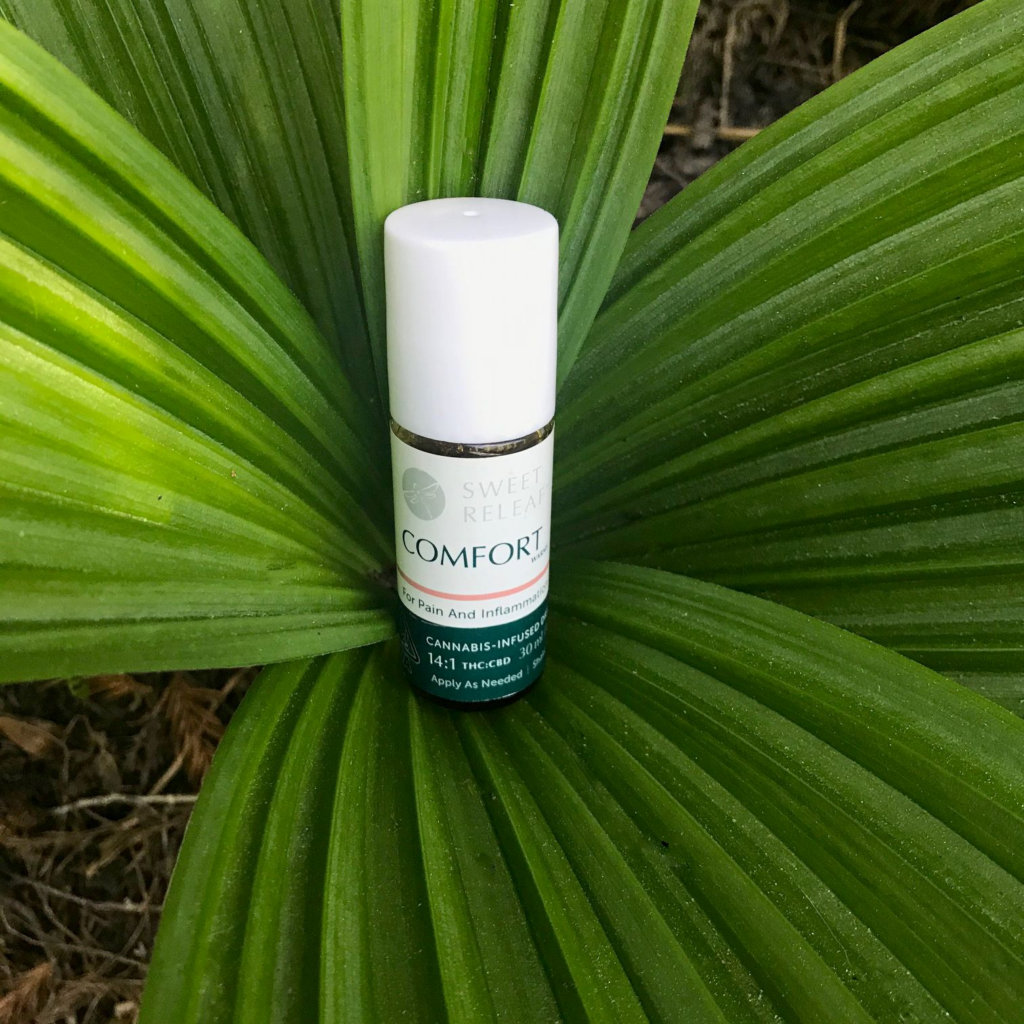
When we started making Sweet Releaf, it wasn’t about jumping on cannabis.
It was about solving a problem that kept showing up, people in real pain, with products that just weren’t cutting it.
And a lot of what guided us came from the same principles Ayurveda has been using all along: work with the body, not against it.
A Different Kind Of Topical
Our formulations are built around high-THC, full-spectrum cannabis, not isolates or watered-down extracts. Pain and inflammation aren’t simple, and the plant works best when you keep its full profile intact.
At the same time, everything we make is non-psychoactive.
You’re not getting high, you’re getting fast, localized relief. You apply it where it hurts, it absorbs, and within minutes, you feel things start to settle.
Ayurvedic Influence In Formulation
Ayurveda has always recognized that pain isn’t one-size-fits-all. Some joints feel hot and inflamed, others feel stiff and locked up, and they need different approaches.
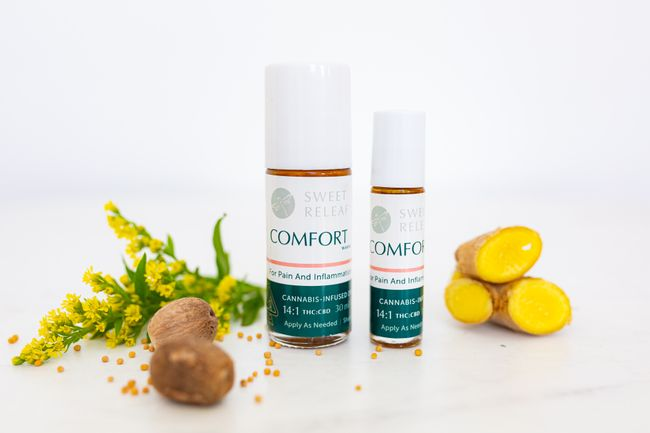
That’s why we created both Cool and Warm roll-ons. Cooling helps calm active inflammation, while warming helps loosen tight, resistant joints. It’s a simple principle, but it makes a real difference when applied correctly.
We also use essential oils with intention, not just for scent, but for how they support circulation and the nervous system. That sensory layer helps the body ease into relief, not fight against it.
Why Emulsion Body Butters Matter
Most traditional salves are wax-based. They sit on the surface, feel heavy, and don’t penetrate deeply enough to reach where pain actually lives.
Our emulsion body butter works differently. It absorbs quickly, isn’t greasy, and carries cannabinoids deeper into the tissue, closer to joints and inflamed areas that need real support.
Because if it doesn’t get in, it doesn’t work. And with rheumatoid arthritis, you need something you can trust to meet the pain exactly where it shows up.
Real Relief for RA: Choosing the Right Sweet Releaf Product
When you’re dealing with rheumatoid arthritis, you don’t need a shelf full of products, you need the right tool at the right time. Pain shifts throughout the day. What helps in the morning isn’t always what works in the afternoon.
That’s why we built options that match how RA actually behaves.
Comfort+ Extra Strength Body Butter

This is the one I reach for when pain is persistent, when it’s not just a flare, but something that’s sitting in your joints day after day.
Comfort+ Extra Strength is designed for:
- Hands that don’t want to close
- Knees that ache even at rest
- Wrists, shoulders, or back that feel constantly inflamed
Because it’s an emulsion, it absorbs deeply and evenly, carrying those cannabinoids into the tissue instead of leaving them on the surface.
It’s what you use daily. It’s what you use during flare-ups. It becomes part of your routine, like brushing your teeth, but for your joints.
Comfort Cools Roll-On
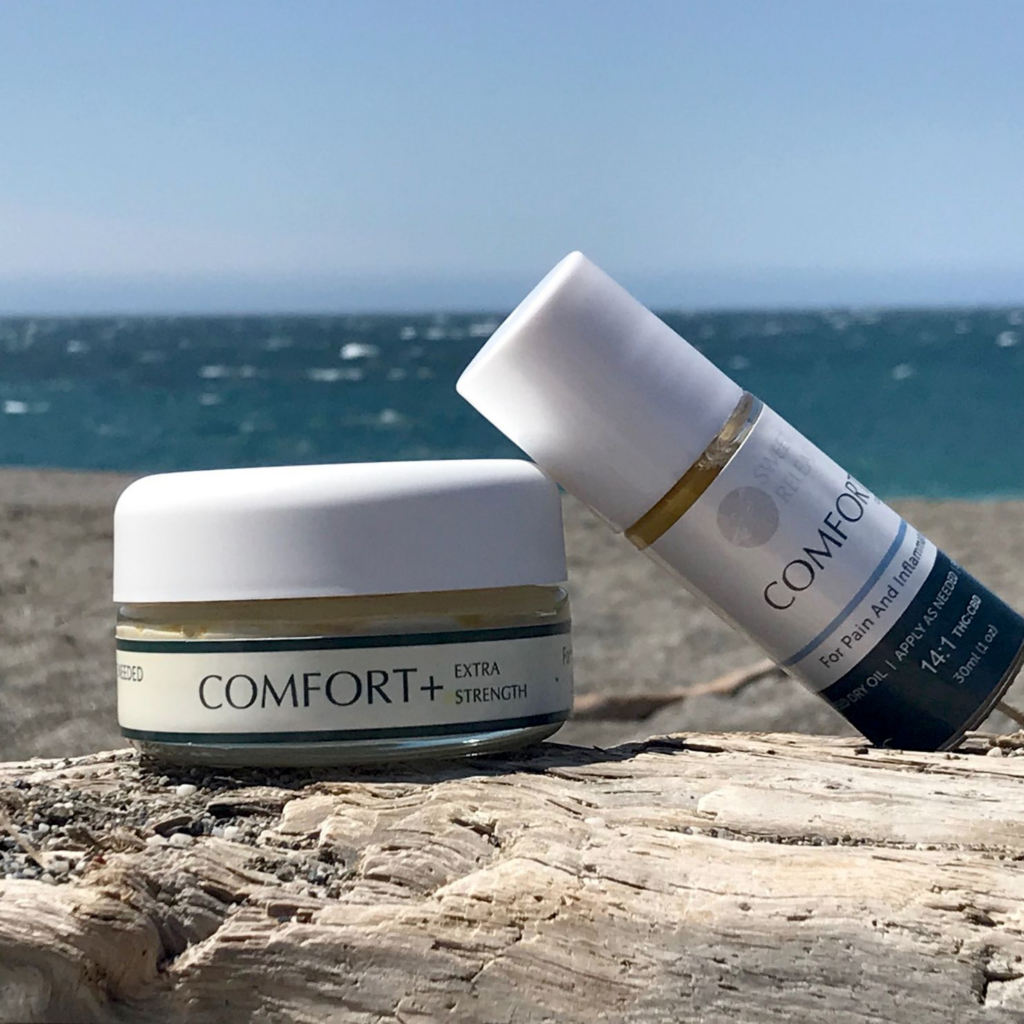
Some days, joints feel hot. Swollen. Irritated in a way that makes movement feel like friction.
That’s where the Cool roll-on comes in.
- Provides a cooling sensation that helps calm inflammation
- Easy to apply directly to specific joints
- Ideal for daytime use or after activity
It’s quick, clean, and portable. Something you can keep nearby and use without thinking twice.
Comfort Warms Roll-On
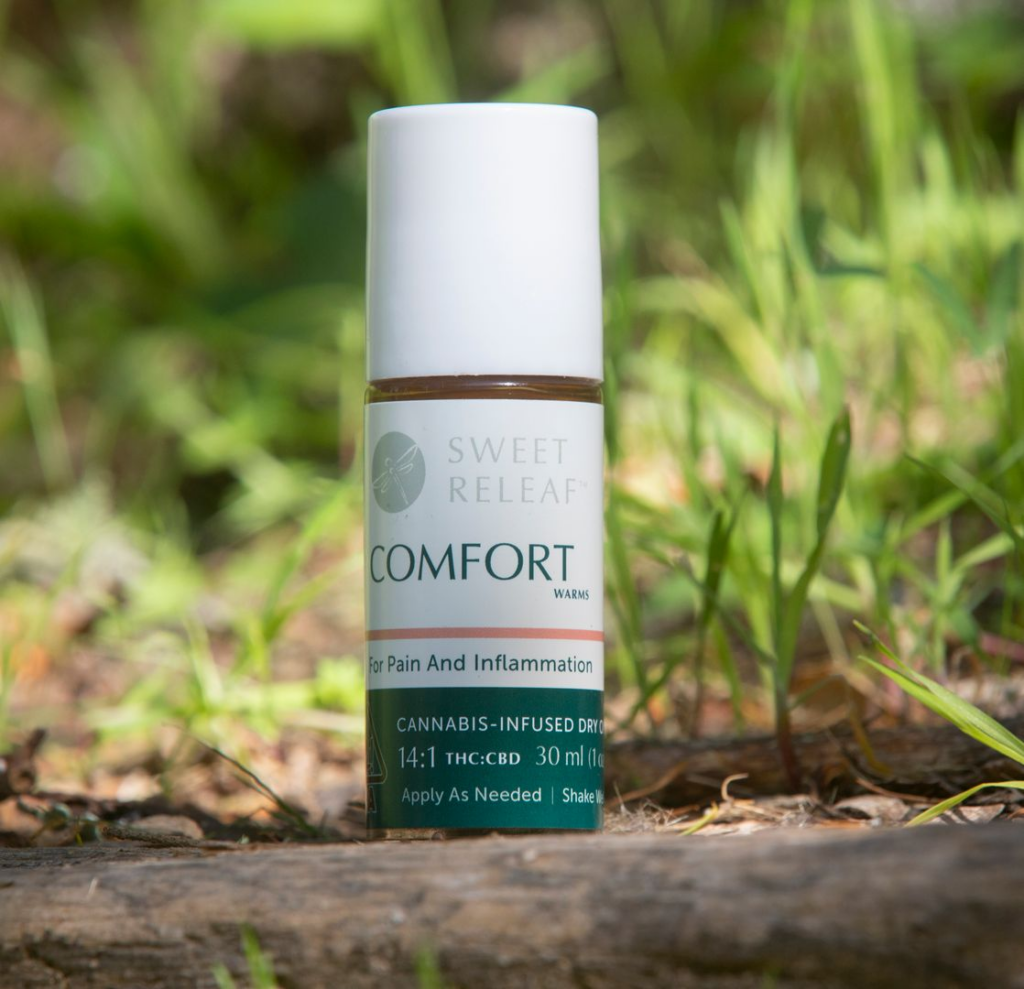
Then there’s the other kind of pain, the stiff, tight, locked-up feeling. The kind that shows up first thing in the morning or when the weather turns cold.
That’s where Warm earns its place.
- Brings gentle heat to tight joints
- Helps loosen stiffness and improve mobility
- Especially useful in the morning or colder environments
It’s less about calming inflammation and more about getting things moving again.
What You’re Probably Wondering About RA And Ayurveda
There are a few questions that come up again and again, practical ones from people trying to figure out what actually helps, not just what sounds good on paper.
How Long Should I Try Ayurveda Before Deciding It’s Not Working?
Ayurveda works gradually, so expect weeks to a few months to see real change. But don’t wait blindly, track things like stiffness, pain, energy, and mobility to see if anything is improving.
If nothing shifts, or things get worse, it’s time to reassess, not double down.
And while you’re figuring that out, it’s okay to use something that gives relief now.
Why Did Massage Help Temporarily But The Pain Came Back?
Because relief and resolution aren’t the same. Massage improves circulation and relaxes tissue, but it doesn’t stop the underlying immune activity driving RA.
That’s why the pain can return. It’s not failure, it just means you need a layered approach that supports both the system and the specific joints.
Is ‘Boosting Immunity’ Actually Harmful For RA?
RA is an autoimmune condition, which means the immune system is already overactive. So “boosting” it isn’t always helpful, and can sometimes make things worse.
What you want is regulation, not stimulation. The goal is helping the body respond more intelligently, not more aggressively.
When Relief Finally Starts To Feel Real
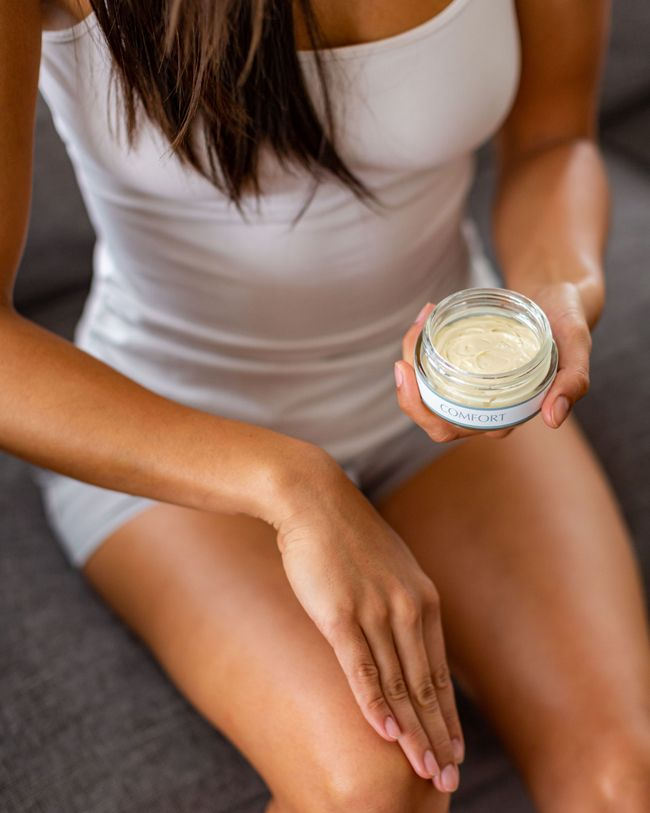
Living with rheumatoid arthritis often means trying things that fall short, until something finally clicks. Ayurveda can support your body from within, but real progress usually comes from combining what actually works.
And when pain is local, relief should be too. Having something that absorbs, penetrates, and responds where your joints need it can change how your day feels.
That’s what we set out to create with Sweet Releaf, something you can rely on, feel quickly, and use to move through life with less resistance.
If you’re curious how it feels for your body, stop by a local dispensary and try it for yourself.
Disclaimer:
This content is for informational purposes only and is not intended as medical advice, diagnosis, or treatment. Rheumatoid arthritis is a complex autoimmune condition that should be managed in consultation with a qualified healthcare provider.
Sweet Releaf products are not intended to diagnose, treat, cure, or prevent any disease. Individual results may vary based on body chemistry, condition severity, and consistency of use. Always consult your physician before introducing new therapies, especially if you are currently taking medications or undergoing treatment.