
Cannabis may reduce chronic pain (especially nerve pain) by interacting with the endocannabinoid system and lowering inflammation. Evidence shows moderate effectiveness, but results vary. THC and CBD can help, though dosing, product type, and individual response matter significantly.
Pain Is Never a Welcome Part of Your Day
You wake up already negotiating with your body. Knees feel tight before your feet hit the floor. Your shoulders argue with simple movements like reaching for a coffee mug. Plans get filtered through one question first: how much will this hurt?
Most people who live with chronic pain build a toolkit over time. Heat, stretching, over-the-counter meds, prescriptions, maybe physical therapy. Some help for a while. Some come with trade-offs that make daily life harder in different ways.
Cannabis has entered that toolkit for many people. It is not a cure and it does not erase the source of pain. What it can do is shift how pain shows up in your body and how much control it has over your day.
Here’s where it tends to help:
- Reduces inflammation at the site of pain, especially in joints and soft tissue
- Changes how pain signals are processed, making them feel less sharp or overwhelming
- Supports better sleep and calms the stress response that often amplifies pain
That combination can mean the difference between sitting out and staying active.
Sweet Releaf prefers a different path to achieving plant-driven pain reduction. Instead of chasing a head change, we focused on targeted relief through the skin using high-THC, whole-plant formulations that stay local and leave your mind clear.

If you’ve tried cannabis before and walked away unimpressed, there’s a reason for that. Let’s look at what actually works and what most articles leave out.
Where Cannabis Fits in Chronic Pain Treatment
Cannabis functions as an adjunct therapy in chronic pain management, interacting with the endocannabinoid system to influence pain signaling and inflammation. Its role is defined by how it complements existing treatments and by the current limits of clinical standardization.
Not a First-Line Fix, Often a Turning Point
Chronic pain is commonly managed with anti-inflammatories, opioids, and physical therapy. These approaches can reduce symptoms, though long-term use is often constrained by side effects, tolerance, or incomplete relief.
Cannabis occupies a different pharmacological lane. Rather than acting solely on pain pathways like opioids or NSAIDs, cannabinoids engage receptors involved in both immune response and neural signaling. This allows cannabis to be used alongside conventional treatments, particularly in cases where inflammation and nerve sensitivity are driving symptoms.

Why There Are So Few FDA-Approved Cannabis Treatments
The lack of FDA-approved cannabis therapies reflects structural barriers more than lack of therapeutic activity. For decades, cannabis classification restricted large-scale clinical research, slowing the development of standardized medical use.
Dosing remains inconsistent because cannabis is not a single compound. THC, CBD, and other cannabinoids vary widely across products, and absorption changes depending on delivery method. This variability complicates the creation of uniform dosing guidelines.
Clinical trials face similar challenges. Product inconsistency makes it difficult to generate repeatable data at scale, which delays regulatory approval. As a result, patients and clinicians often operate without clear protocols, relying on emerging evidence and real-world outcomes.
What the Modern Research Says
Research supports moderate benefit in some chronic pain settings, particularly neuropathic and inflammation-related pain. A JAMA systematic review and meta-analysis on cannabinoids for medical use found moderate-quality evidence for chronic pain relief, though the effect size was modest and adverse events were more frequent in the cannabinoid groups.
Evidence is stronger in nerve-related pain. A systematic review on cannabis-based medicines for chronic neuropathic pain in adults reported significant pain relief versus placebo across multiple controlled trials.
Results are not uniform. Some patients experience meaningful improvement, while others report minimal change. Placebo responses are also documented, indicating that perception and expectation influence outcomes.
Across studies, a consistent pattern emerges. Cannabinoids tend to alter how pain is processed rather than eliminate the underlying cause. Reduced inflammatory signaling and changes in neural perception combine to lower intensity, which explains their role as a supportive option within chronic pain treatment.
The Types of Chronic Pain Cannabis May Actually Help
Chronic pain is not a single condition. The way cannabis works depends heavily on what is driving the pain in the first place. Inflammation, nerve damage, and systemic stress all respond differently, which explains why results can feel inconsistent from one person to the next.
Arthritic Pain
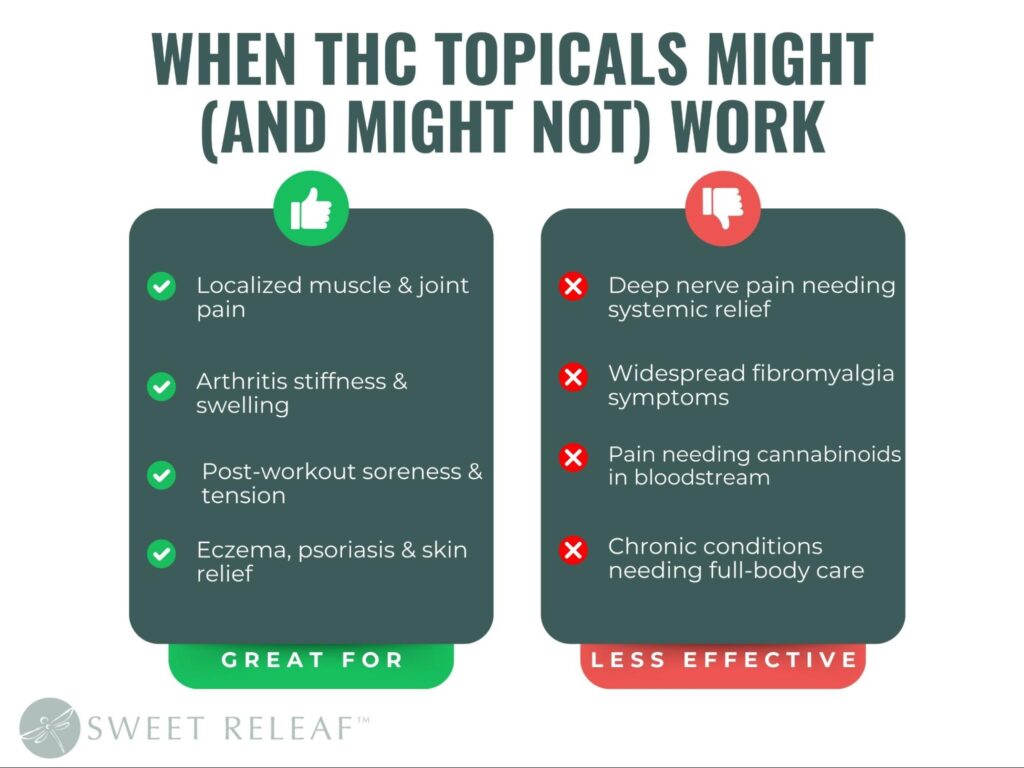
Arthritic pain tends to be visible and physical. Swelling around joints, stiffness that limits movement, and a slow loss of mobility define the day-to-day experience. Inflammation sits at the center of it.
Cannabinoids interact with immune signaling pathways that regulate inflammation. When applied directly to affected areas, especially through topicals, this interaction stays localized. That means the relief is focused where the problem lives, rather than moving through the entire body.
For many people, this shows up as improved range of motion and less resistance when moving through routine tasks. The goal is not to eliminate structural damage. It is to reduce the inflammatory response that keeps joints locked up and reactive.
Nerve Pain
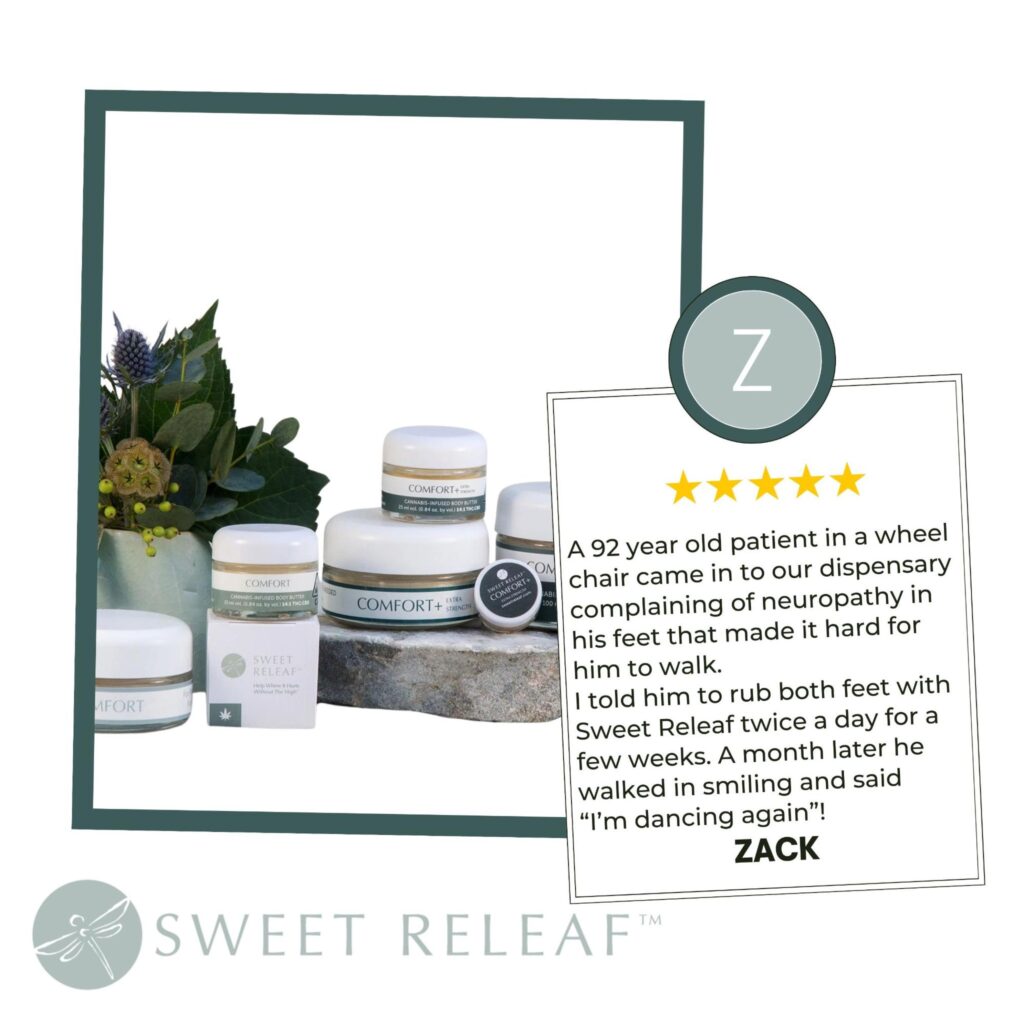
Nerve pain behaves differently. It can feel sharp, electrical, or persistent without a clear physical trigger. Traditional painkillers often struggle here because the issue is not just tissue damage, it is how signals are being sent and interpreted.
Cannabis works at the level of the nervous system, influencing how those signals are processed. Instead of silencing the source, it changes the intensity and priority of the signal.
In real-world use, people often describe this shift in simple terms. The pain is still present, though it no longer dominates attention. It moves into the background, allowing focus to return to normal activity.
Response varies widely. Some experience meaningful relief, while others notice only subtle changes. That variability is part of working with a system as complex as the nervous system.
Cancer-Related Pain
Cancer-related pain is layered. It can come from the condition itself, from inflammation, and from the treatments used to manage it. Fatigue, disrupted sleep, and anxiety often amplify the physical discomfort.
Cannabis plays a supportive role here. It can modulate pain perception while also helping regulate sleep cycles and reduce stress responses that intensify discomfort.
This is rarely a standalone solution. It is more often integrated into a broader care plan alongside medical treatment. Within that context, it can help stabilize daily function and improve overall comfort without adding the burden of heavy systemic side effects.
Why Topicals Work So Well for Chronic Pain
Topicals solve a problem that many cannabis products create. They deliver cannabinoids directly to the area that hurts without sending them through the entire body. That changes both how fast they work and how they feel once they do.
How Cannabis Interacts With Your Skin
Your skin contains its own network of cannabinoid receptors, primarily CB2 receptors, which are involved in regulating inflammation and localized pain. When a cannabis topical is applied, cannabinoids bind to these receptors right at the surface and just below it.
Because this interaction stays local, cannabinoids do not enter the bloodstream in meaningful amounts. That is why topicals do not produce psychoactive effects, even when they contain high levels of THC.
Absorption is also more immediate compared to edibles. Instead of waiting for digestion and liver processing, the product begins working as it penetrates the skin, often within minutes depending on the formulation.
Targeted Relief Where It Hurts
Topicals are built for precision. You apply them exactly where the pain is, which makes them especially useful for joint and muscle-related conditions.
Common application areas include:
- Knees affected by arthritis or overuse
- Hands with stiffness or reduced grip strength
- Lower back where tension builds throughout the day
- Shoulders and neck from repetitive strain
This direct approach removes two major frustrations that come with ingestion. You feel the relief after a set period so you don’t have to sit on needles and hope you will feel the effects, like with an edible. What you feel is tied to where you apply it, which makes the experience more predictable and easier to repeat.
Potent Effects without Impairment
One of the first questions people ask is simple. Will this make me feel out of it?
With topicals, the answer is no. Even with THC-forward formulations, the effect remains localized to the area of application. There is no cognitive shift, no altered perception, and no interference with daily responsibilities.
That makes topicals practical for real life. You can apply them before work, while staying active, or anytime you need relief without stepping away from what you are doing.
What Makes a THC Cream Actually Effective
A THC cream works when enough active cannabinoids reach the tissue where pain signals are active. That depends on two factors: concentration and absorption.
When THC levels are low, the effect stays mild and short-lived. When the formula sits on the surface, cannabinoids never reach local receptors. Both issues are common, which explains why many people try topicals once and stop using them.
High-THC, Full-Plant Formulas
THC is the primary driver of relief in topical cannabis. Chronic pain involves persistent inflammatory and neurological signaling, so higher concentrations are required to produce a noticeable shift. Low-dose formulas may feel pleasant on the skin but rarely change underlying discomfort.
Full-plant formulations expand the effect further. Instead of isolating THC, they retain additional cannabinoids and plant compounds that influence receptor activity and absorption. These compounds work together within the body, supporting a more stable and complete response. This becomes more apparent in conditions that combine inflammation with nerve sensitivity.
What Makes Sweet Releaf Different
Sweet Releaf builds its creams for deep penetration and consistent dosage. The goal is to move cannabinoids through the skin and into the tissue where pain originates, rather than leaving them at the surface.
Here are some of the things that make our products different from a standard fare cannabis cream you can find online:
- Emulsion-based body butters that absorb quickly and evenly
- Deeper penetration compared to traditional oil-based salves
- Whole-plant THC that preserves the natural cannabinoid profile
- Formulated specifically for chronic pain rather than general skincare
- Refined through real use including gardening strain, post-surgical recovery, and joint pain
Two Sweet Releaf Creams for Everyday Use
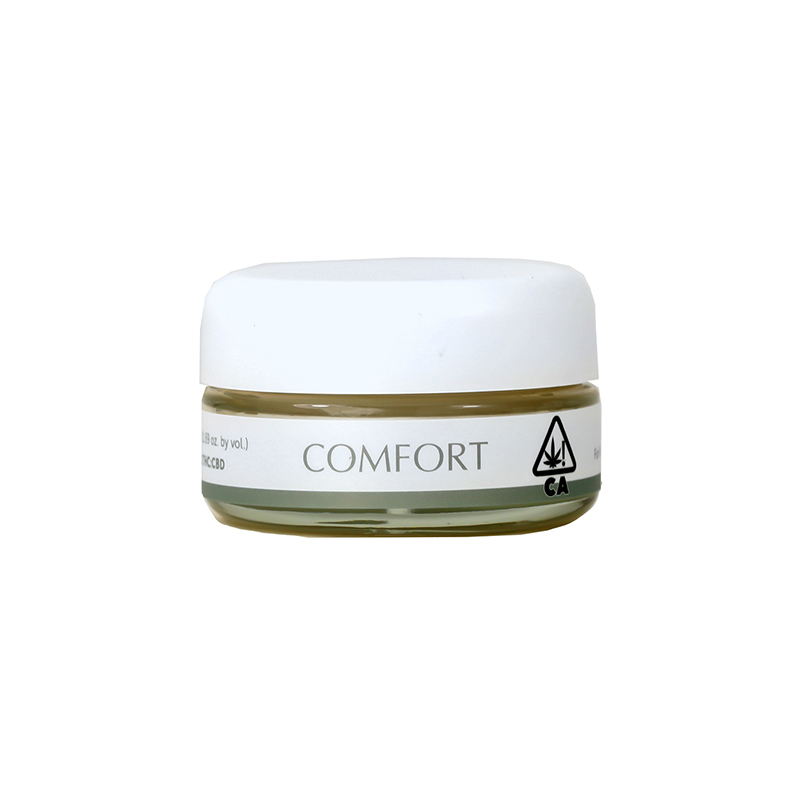
Comfort Body Butter
- Designed for daily aches and moderate pain
- Absorbs quickly and can be used throughout the day
- Leaves skin conditioned without a greasy finish
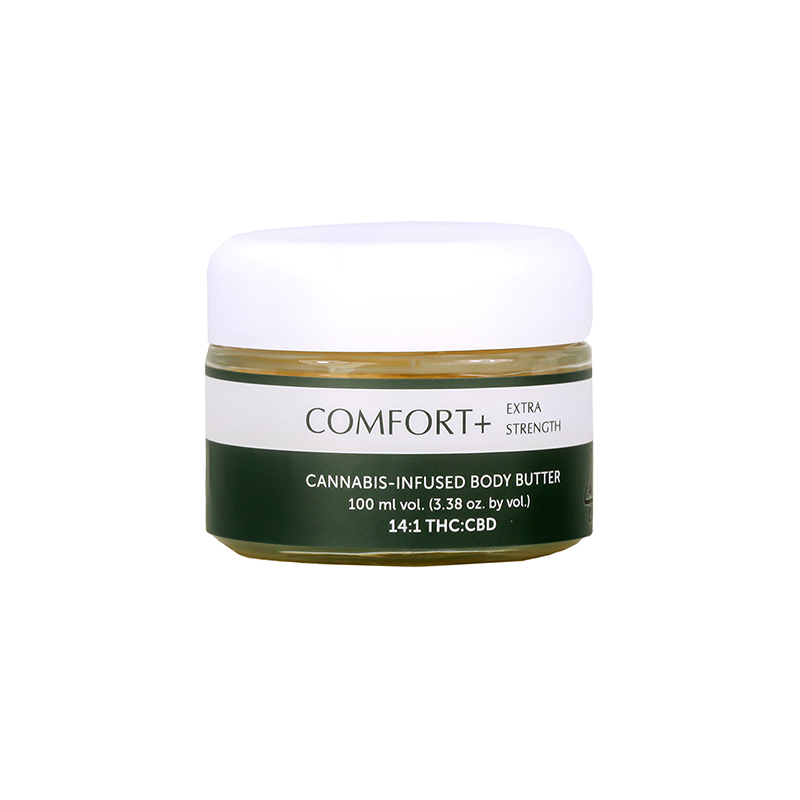
Comfort+ Extra Strength Body Butter
- Built for persistent and more demanding pain
- Used for arthritis, nerve pain, and post-surgical recovery
- Higher THC concentration for deeper and longer-lasting relief
Finding Relief Without Losing Yourself
There’s a moment that matters more than a pain score. It’s when you realize you moved without thinking about it first. You stood up, reached, walked, or slept through the night and only noticed afterward that something felt easier.
That’s the kind of relief most people are actually looking for. Not perfection. Just enough change to stay active, stay present, and keep your day intact.
Cannabis can support that, and topicals make it practical. You apply it where you need it, feel it where it counts, and keep your head clear while you go about your life.
Find Sweet Releaf products and give them a chance to change your day. It’s a small effort that will pay off handsomely.