
Cannabis topicals containing THC and CBD can reduce neuropathic pain by activating CB1 and CB2 receptors in the skin. Research shows cannabinoids modulate pain signaling and decrease inflammation. Topicals provide localized relief without psychoactive effects.
A Localized Solution for Nerve Pain
Medical cannabis research is still evolving, and each year brings sharper data about how cannabinoids influence chronic pain. What already stands on solid ground is this: cannabinoids consistently show pain-suppressing activity in neuropathic conditions.
That matters for anyone living with burning feet, electric jolts down the spine, or tingling that refuses to settle.
When THC and CBD are applied topically, they engage cannabinoid receptors in the skin and peripheral tissues. The effect stays localized. There is no systemic intoxication, no altered state, just targeted interaction at the site of discomfort.
Across clinical studies and patient reports, another pattern continues to surface: people using cannabis for chronic pain often reduce their reliance on opioids and other systemic medications. That shift reflects both improved symptom control and better day-to-day function.
Here is what properly formulated THC topicals may help address:
- Calm burning and electric nerve sensations
- Reduce localized inflammation
- Modulate overactive pain signaling
- Ease surrounding muscle tension
- Improve sleep disrupted by nerve pain
- Support clearer-headed pain management
Sweet Releaf has been at the forefront of high-THC, full-spectrum topicals in California for quite some time. The company began as a family effort to solve real chronic pain inside a private home. Our formulas rely on raw cannabis trichomes rather than isolated cannabinoids, delivered in an emulsion body butter designed for deeper absorption.
As you will find out, these details make all the difference in the world.
If you are exploring cannabis topicals for nerve pain, the next step is to look closely at how and why these formulations work.

The Difficulties of Living With Neuropathy
Neuropathy reshapes daily life in ways that are hard to explain unless you have felt it. This is not a sore muscle or a stiff joint that improves with rest. It is a malfunction in the wiring itself. When nerves send distorted signals, the body reacts as though there is danger present, even when there is none.
That constant distress wears people down physically and mentally.
The Daily Reality of Nerve Pain
For many, nerve pain shows up as persistent burning, stabbing, tingling, or numbness. Some describe it as an electric current running through their feet or hands. Others feel hypersensitive skin that reacts sharply to light touch, socks, or even bed sheets.
Sleep often suffers first. Pain intensifies at night when distractions fade and the nervous system becomes more noticeable. Mobility can change as well. Walking across a room may feel unstable. Fine motor tasks such as buttoning a shirt or holding a pen can become frustrating.
Over time, constant discomfort creates emotional strain. Irritability, fatigue, and reduced focus are natural responses to ongoing pain signals. Daily routines that once required little thought begin to demand careful pacing. Neuropathy does not just hurt. It interferes with movement, rest, and confidence.
How Neuropathy Occurs
Neuropathy develops when nerves in the peripheral or central nervous system are damaged or begin functioning improperly. These nerves are responsible for carrying sensory information, including pain, from the body to the brain.
Common causes include:
- Diabetes
- Chemotherapy
- Physical injury
- Surgical trauma
- Autoimmune conditions
When nociceptive pathways become damaged, they misfire. Instead of transmitting accurate sensory information, they generate exaggerated or inappropriate pain signals.
In some cases, central sensitization develops. This process increases the responsiveness of the nervous system, amplifying signals that would otherwise be mild.
Why Neuropathy Is So Painful and Debilitating
Neuropathy involves more than irritation. It changes how the nervous system processes stimuli. Hyperalgesia increases the intensity of pain in response to stimuli that would normally be tolerable. Allodynia causes pain from stimuli that should not hurt at all.
Damaged nerves can continue sending signals without any external trigger. The body receives a steady stream of distress messages, even at rest.
Because nerve-origin pain operates differently from inflammatory or structural pain, conventional painkillers often provide limited relief. This mismatch leaves many searching for therapies that directly address altered nerve signaling rather than simply masking symptoms.
The Role of Cannabis in Neuropathy Management
Cannabis is now being examined with greater clinical rigor in the context of neuropathic pain. While the field continues to mature, several controlled trials and systematic reviews provide direction. The findings suggest measurable analgesic effects, particularly when THC and CBD are used in combination.
What the Latest Research Shows
Randomized controlled trials evaluating cannabis-based medicines have demonstrated superiority over placebo for moderate neuropathic pain relief. A 2018 Cochrane review analyzing multiple trials concluded that cannabis-based medicines were associated with greater pain reduction compared to placebo, although the quality of evidence ranged from low to moderate.
A 2021 study found that a balanced THC and CBD formulation produced significant improvement in neuropathic back pain compared to placebo. This supports the therapeutic value of cannabinoid combinations rather than isolated compounds.
Topical applications are also being explored. A 2020 randomized, placebo-controlled trial reported that topical CBD reduced intense pain and cold, itchy sensations in patients with peripheral neuropathy without reported adverse events.
Survey data adds another dimension. A 2016 study observed a 64 percent reduction in opioid use among chronic pain patients who incorporated cannabis, alongside improved quality of life measures.
Collectively, evidence quality varies, yet the trend remains consistent. Cannabinoid therapies demonstrate statistically significant reductions in neuropathic pain intensity in multiple study designs.
How THC and CBD Interact With Affected Areas
THC and CBD act through the endocannabinoid system, which regulates nociception and immune signaling.
CB1 receptors, located along central and peripheral pain pathways, modulate neurotransmitter release and influence pain transmission. CB2 receptors are expressed primarily on immune cells and contribute to the regulation of inflammatory processes.
Both receptor types are present in skin tissue. This distribution explains why topical cannabinoids can exert localized effects. THC interacts directly with CB1 receptors to alter nociceptive signaling. CBD influences inflammatory mediators and may reduce peripheral sensitization.
When delivered together in a full-spectrum preparation, minor cannabinoids and terpenes may enhance receptor activity through pharmacological synergy.
Direct Improvements Cannabis May Bring
Clinical and patient-reported outcomes suggest that topical application of THC may contribute to the following benefits:
- Lower overall pain intensity
- Reduced burning and tingling sensations
- Improved sleep quality
- Decreased psychological distress linked to chronic pain
- Increased functional comfort in daily activities
These changes reflect modulation of both inflammatory and neuropathic components of pain rather than simple sensory masking.

Why Topicals Are the Best Format for Neuropathy
When pain originates in irritated or damaged nerves, delivery method matters. Systemic options circulate throughout the body, affecting the brain, digestion, and other organs along the way. Topicals take a different route. They work at the surface and just beneath it, where peripheral nerve endings and inflammatory cells are located.
For many people with neuropathy, that localized approach aligns more closely with how their pain manifests.
How Cannabis Topicals Work
Cannabis topicals are applied directly over the area where symptoms are felt, whether that is the feet, hands, lower back, or another region. Once absorbed into the upper layers of the skin, cannabinoids interact with CB1 and CB2 receptors embedded in skin cells, immune cells, and peripheral nerve fibers.
By engaging these receptors locally, THC and CBD can modulate signaling in the immediate area without producing whole-body effects. Standard topical preparations remain in peripheral tissues and typically do not enter the bloodstream in measurable amounts.
Only specifically engineered transdermal systems are designed for systemic delivery. This distinction allows traditional cannabis topicals to act where they are placed, rather than circulating widely.
Precise Targeting and Absence of Side Effects
Neuropathy often concentrates in specific zones, such as the soles of the feet or the fingertips. Topicals can be applied directly to those areas, allowing focused relief.
Because their activity remains limited to the immediate area, they do not impair cognition or alter perception. Users remain clear-headed throughout the day.
The absence of psychoactive effects makes topicals practical for daytime routines, work environments, and activities that require attention. Minimal systemic exposure also reduces the likelihood of side effects associated with oral or inhaled cannabis.

Long-Term Usage
Chronic nerve pain requires steady management rather than occasional intervention. Cannabis topicals can be applied multiple times per day based on symptom patterns.
There is no evidence of addiction risk with topical use, and tolerance development appears limited compared to systemic forms. Many individuals incorporate topicals into daily routines to maintain symptom control and support consistent comfort over time.
Why High-THC Formulations Work Best for Nerve Pain
Neuropathic pain tends to be stubborn. It involves altered nerve signaling rather than simple tissue irritation, which means mild formulations often fall short. Concentration, cannabinoid profile, and delivery system all influence whether a topical produces noticeable relief.
THC Works Best When It Brings the Entourage Along
Nerve pain frequently requires a stronger cannabinoid presence to influence dysregulated nociceptive pathways. Low-dose CBD creams, widely available in retail settings, often contain minimal active cannabinoids and limited bioavailability.
As a result, users report little change in symptoms.
THC interacts directly with CB1 receptors involved in pain transmission, altering how peripheral nerves communicate distress signals. CBD supports this action by modulating inflammatory mediators and reducing peripheral sensitization. When both cannabinoids are present in meaningful concentrations, their combined activity creates a broader therapeutic effect.
Whole-plant formulations add another dimension. Minor cannabinoids and naturally occurring terpenes influence receptor binding and skin permeability.
This interaction, often described as the entourage effect, enhances the functional activity of THC and CBD without increasing psychoactivity in topical use. For neuropathy, where signaling is amplified and persistent, that layered cannabinoid profile can be particularly valuable.

Why Sweet Releaf Is a Trusted Brand for Topicals in California
Sweet Releaf focuses on THC-forward, full-spectrum formulations designed for chronic pain. The brand uses raw cannabis trichomes rather than isolated extracts, preserving the plant’s natural cannabinoid and terpene profile.
This approach supports whole-plant synergy within a topical format.
The emulsion body butter base promotes deeper absorption compared to wax-heavy salves. This matters for neuropathy, where cannabinoid contact with peripheral nerve endings is key.
Sweet Releaf products were originally developed for severe, long-term pain within a family setting, including post-surgical recovery. That origin continues to shape formulation strength and purpose.
Recommended Products
- Comfort Body Butter
A high-THC, full-spectrum body butter suitable for daily nerve discomfort. It absorbs quickly into the skin and leaves a smooth, non-greasy finish while delivering consistent localized relief. - Comfort+ Extra Strength Body Butter
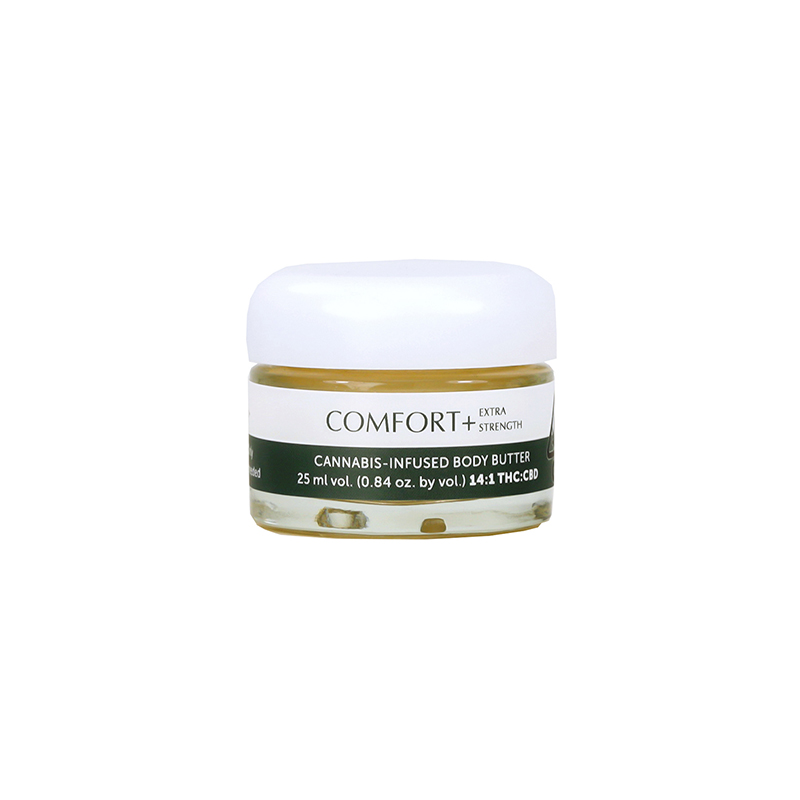
Formulated with a higher THC concentration for persistent or severe nerve pain. Frequently chosen by individuals managing chronic or post-surgical discomfort who require stronger support.
Cannabis Can Calm Your Burning Nerves
Cannabis topicals aren’t a miracle cure. They won’t reverse nerve damage overnight. But evidence suggests they can meaningfully reduce pain signaling at the surface level, especially when formulated with sufficient THC and whole-plant compounds.
If you’ve tried hemp creams and felt nothing, that doesn’t mean topicals don’t work. It may simply mean the formula wasn’t strong enough.
High-THC, full-spectrum body butters offer a different experience,one designed for people dealing with real, persistent pain.
If you’re curious, take your time. Read the research. Explore testimonials. Learn how different formulations work.
And when you’re ready, you can explore Sweet Releaf’s topical collection and decide what feels right for your body.