
CBD is everywhere. You see it in gas station balms, boutique skincare jars, gym recovery sticks, and glossy wellness ads promising calmer joints and happier skin. Its rise has been fast, loud, and profitable.
Yet for people living with daily back pain, arthritic hands, nerve flare-ups, or post-surgical soreness, CBD on its own often feels underpowered.
Here’s the part where confusion is born. CBD supports the body’s inflammatory response. It helps regulate. It soothes. What it does not do very well by itself is interrupt pain signaling at the level many chronic conditions require. Pain has multiple pathways, and CBD addresses only part of the picture.
Add THC to the formula and the conversation changes.
When CBD and THC are paired in a properly formulated topical, you often see:
- Deeper relief for muscles and joints through activation of additional cannabinoid receptors
- Broader anti-inflammatory support alongside modulation of peripheral nerve pain
- Improved skin penetration, especially in well-made emulsions rather than waxy salves
- A measurable entourage effect, where cannabinoids amplify one another’s activity
This is where Sweet Releaf enters the story. Born in a grandmother’s kitchen in Marin County and refined through years of real-world use, Sweet Releaf crafts full-spectrum cannabis topicals that deliver targeted relief without psychoactive effects. Our products are trusted across California by seniors, athletes, gardeners, and post-op patients.
In the sections ahead, we’ll explore how CBD and THC work together, how to recognize quality in a crowded market, and why many people finally find meaningful relief once THC becomes part of the formula.
When CBD and THC Work Together, Magic Happens
CBD and THC are often discussed as opposites. One is calming. The other is intoxicating. That contrast makes for tidy headlines, but it misses how these cannabinoids actually function in the body. When applied topically in the right proportions, they operate less like rivals and more like collaborators.
CBD and THC: Different Tools for Different Jobs
CBD influences inflammatory signaling in the tissue. It interacts primarily with CB2 receptors and other molecular pathways involved in immune response and swelling. This makes it useful for managing irritation, stiffness, and flare-ups rooted in inflammation.
THC, on the other hand, engages CB1 receptors located in peripheral nerve endings and skin structures. Those receptors play a role in how pain is perceived. For many people with chronic joint pain, neuropathy, or post-surgical tenderness, CB1 activation is where meaningful relief begins. Without THC, that pathway remains underutilized.
Used together in a topical, CBD helps regulate inflammatory tone while THC reduces the intensity of pain signals at the site of application.
In a properly formulated cream or emulsion, cannabinoids stay largely within the skin layers, producing targeted body relief without mental impairment.
The Entourage Effect: Why Full-Spectrum Performs Differently
The entourage effect refers to the cooperative behavior of cannabinoids, terpenes, and minor plant compounds working in concert. It reflects biochemical synergy, not branding language.
Full-spectrum topicals that include THC tend to outperform isolated CBD creams because the body receives a broader range of interacting molecules. Many long-term users report a noticeable shift when moving from CBD-only formulations to full-spectrum products.
Whole-plant extracts engage the endocannabinoid system more completely than single-molecule isolates.
THC to CBD Ratios: Finding the Right Balance
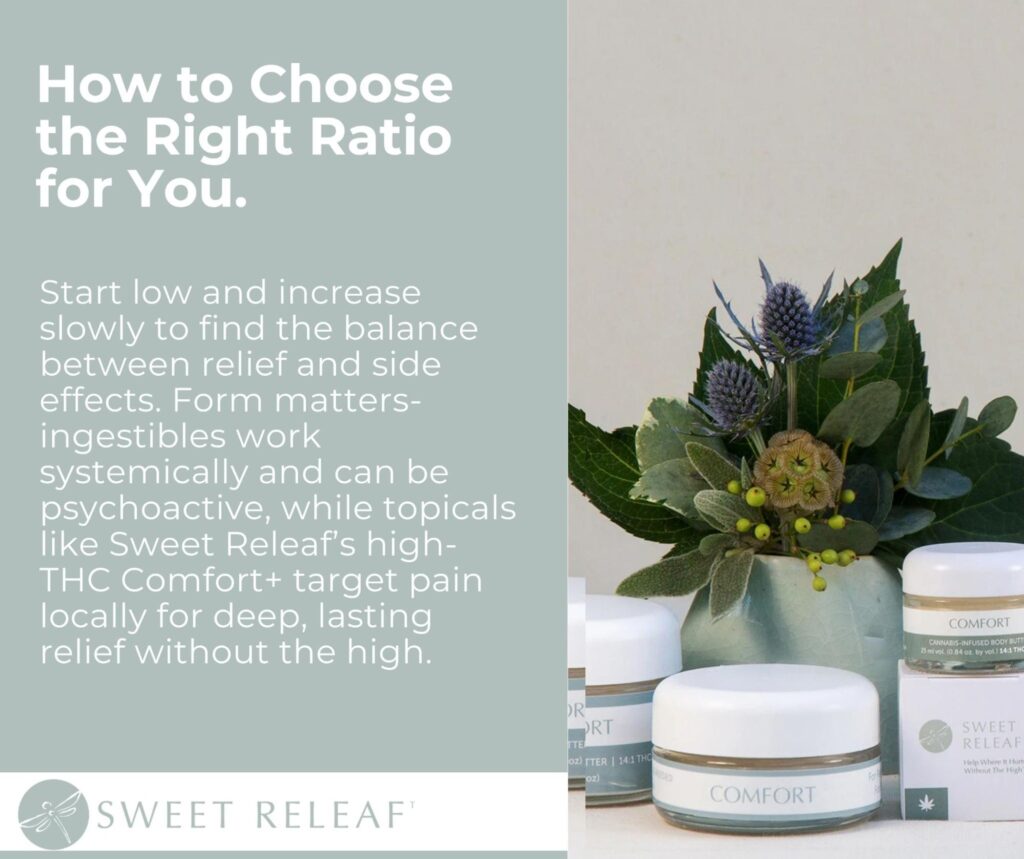
Ratios such as 1:1, 4:1, or 20:1 describe the proportion of CBD to THC. A balanced 1:1 formula often supports moderate joint or muscle discomfort. Higher CBD ratios may favor inflammatory skin conditions. Higher THC ratios typically serve deeper, chronic pain states such as arthritis, nerve pain, or recovery after surgery.
Because these are topicals and not transdermal patches, cannabinoids generally do not enter the bloodstream in meaningful amounts. Users do not experience a high. Standard drug screenings detect metabolites formed after systemic THC consumption, which localized topicals rarely produce. This distinction gives many working adults confidence to use them daily.
When CBD and THC are combined thoughtfully, the result feels less like a trend and more like a return to whole-plant medicine.
The Real Story of Cannabis Topicals
A true topical is designed to work where you apply it. The cannabinoids interact with receptors in the skin and underlying tissue, then stay there. Transdermal products are different. They are built to push cannabinoids through all skin layers and into the bloodstream, which can create systemic effects.
Most creams, salves, and roll-ons are not transdermal. They are local by design.
How they’re made is a whole another story. A salve is typically oil and wax, thick and slow to absorb. An oil glides on easily but can sit on the surface. A lotion blends water and oil, though many separate over time.
An emulsion requires careful formulation to suspend cannabinoids evenly in a stable cream base. It is more complex to produce, yet it penetrates more evenly and leaves the skin feeling conditioned rather than slick.
Sweet Releaf formulates emulsion body butters for that reason. They absorb quickly, deliver cannabinoids efficiently, and feel like regular skincare.
In daily life, that matters.
You apply it in the morning before gardening, after a long shift on your feet, or before bed when joints stiffen. It becomes part of routine maintenance, like stretching or hydration. THC enhances skin permeability and supports localized pain modulation, yet it does not cross the blood-brain barrier in topical form.
You get relief that fits into your day without altering your state of mind.
What CBD Topicals with THC Can Help With
People do not reach for a cannabis topical out of curiosity. They do it because something hurts and they would like their body back. The range of use is wider than most expect, and the stories behind that use tend to sound practical rather than dramatic.
Chronic Pain Conditions
Arthritis remains one of the most frequent reasons people turn to CBD topicals with THC. Stiff knuckles, swollen knees, and hips that protest every stair respond well to localized cannabinoid support. CBD helps regulate inflammatory activity in joint tissue, while THC engages peripheral pain receptors that influence how discomfort is experienced.
Fibromyalgia and neuropathy present differently. The pain can feel electric, unpredictable, and exhausting. Users often describe applying a full-spectrum cream daily, sometimes morning and night, to keep flare-ups manageable.
Over time, consistent application can mean restored mobility rather than temporary masking. People with spinal stenosis or degenerative disc issues report similar patterns. The topical becomes part of daily maintenance, allowing movement that once felt out of reach.

Post-Surgery and Injury Recovery
Recovery periods demand patience. After hip replacement or carpal tunnel surgery, surrounding tissue often remains inflamed and sensitive long after incisions close. THC’s interaction with local nerve endings helps soften the intensity of that tissue pain, while CBD supports inflammatory balance, which is critical in the post-op stage.
Athletic injuries follow a similar arc. Strains and sprains benefit from localized cannabinoid support layered into icing, elevation, and physical therapy.
Active Lifestyles and Sports Recovery
For hikers, surfers, musicians, and gardeners, soreness is part of the rhythm of living. A 24-mile solstice hike with a jar of high-grade THC cream in the pack feels much easier. Applied to calves, knees, or shoulders at rest stops, a full-spectrum topical can reduce inflammatory buildup and ease muscle fatigue before it compounds.
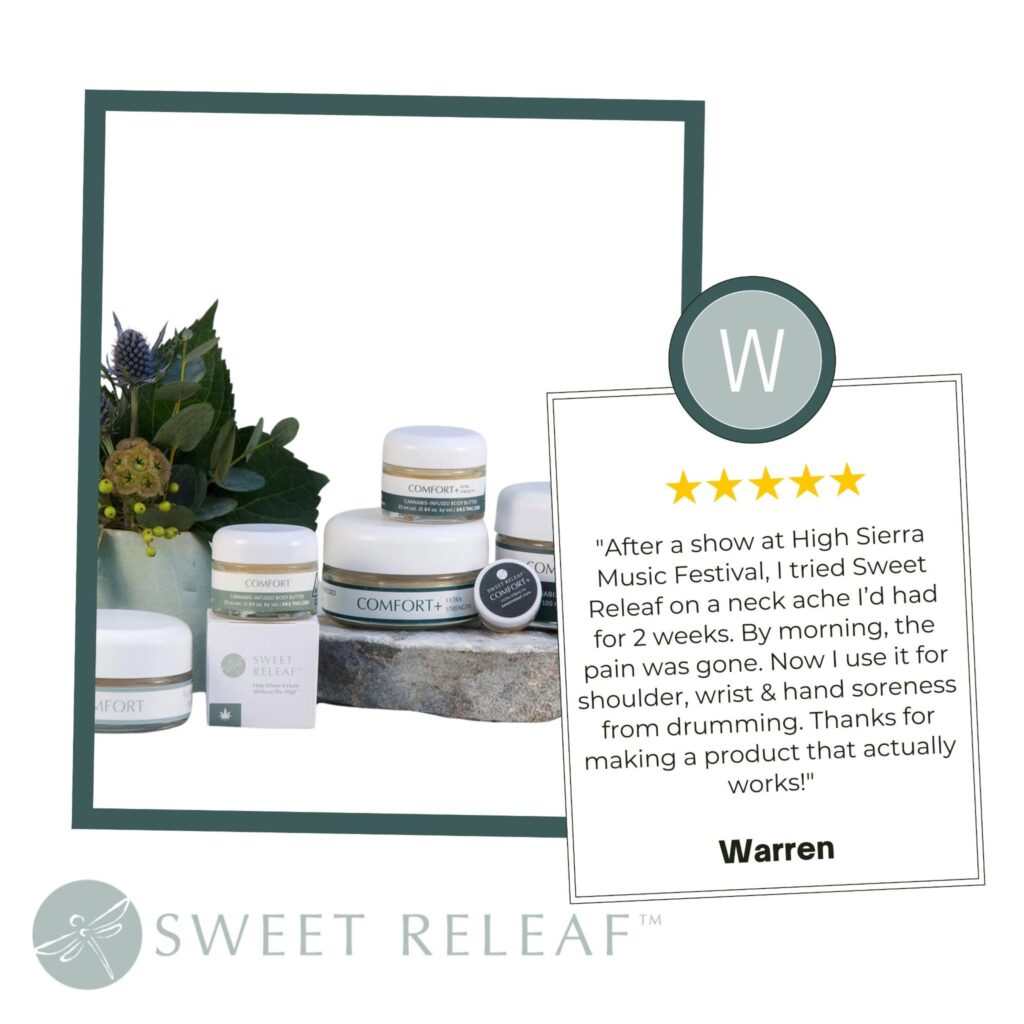
Musicians with repetitive wrist strain, surfers managing shoulder wear, and weekend warriors tackling steep trails often integrate application into cooldown routines. Relief supports consistency, which supports longevity in the activities they love.
Everyday Relief for Overworked Bodies
Pain does not only belong to athletes. Hairdressers develop wrist inflammation. Nurses stand for twelve-hour shifts. Contractors kneel, lift, and climb. Caregivers carry physical and emotional load simultaneously.
A question that comes up often is how frequently a topical can be used. Because true topicals remain localized, they can be applied multiple times a day as needed. Many people use them in the morning before work, again mid-shift, and once more before bed.
Harder-to-Talk-About Uses
Some applications are discussed quietly. Menstrual cramps respond well when a THC-rich cream is massaged into the lower abdomen or back. Tension headaches may ease when applied to the neck and temples. Diabetic foot pain, ovarian cyst discomfort, and eczema flare-ups appear repeatedly in testimonials. One user even mentioned that a full-spectrum topical helped calm cold sores and soothed skin during tattoo recovery.
Where to Find Great Topicals
The cannabis topical market has grown quickly. Shelves are crowded with creams that sound impressive yet deliver very little. Many contain trace cannabinoids, rely on heavy fragrance, or use inexpensive bases that sit on the skin without penetrating.
Many people try one or two products, feel very little, and assume cannabis topicals are overblown.
A high-performing topical reflects careful formulation, thoughtful sourcing, and respect for how cannabinoids interact with the body.
What to Look for in a Quality Topical
When evaluating a CBD topical with THC, pay attention to the details that actually influence results:
- High enough THC content to meaningfully engage peripheral pain receptors
- Whole-plant extracts rather than isolated distillates, preserving the natural cannabinoid profile
- Verified lab testing to confirm potency and purity
- Clean, skin-supportive ingredients that nourish rather than irritate
- A formula that absorbs smoothly, leaving the skin supple instead of greasy
Products that meet these standards tend to feel different from the first application. The relief is more noticeable. The texture integrates into the skin rather than sitting on top of it.
Sweet Releaf’s Expertise Shows in Every Product
Sweet Releaf formulates small-batch emulsion body butters using full-spectrum, sungrown cannabis oil. Emulsions require more precision than simple wax-based salves, yet they distribute cannabinoids evenly and improve absorption across the application area. The result is a cream that feels like high-quality skincare while delivering therapeutic performance.
Their roll-ons draw inspiration from Ayurvedic traditions, offering targeted warming or cooling sensations that complement cannabinoid activity. The ingredient lists remain clean and purposeful. There are no preservatives designed to stretch shelf life at the expense of skin feel, and no exaggerated claims.
Try These: Sweet Releaf’s Best THC + CBD Topicals
- Comfort Cools™ Dry Oil
A fast-absorbing cooling formula suited for nerve discomfort, joint tenderness, and overworked muscles. It refreshes on contact while delivering localized full-spectrum relief.

2. Comfort Warms™ Dry Oil
A gently warming blend designed for deep stiffness, menstrual cramps, and post-activity recovery. It encourages circulation while supporting targeted cannabinoid action.

Topicals Work, but Only When Made the Right Way
If you’ve cycled through prescriptions, physical therapy appointments, stretching routines, and a drawer full of hemp creams, the fatigue is real. Chronic pain wears on more than joints. It shapes your mood, your plans, your patience.
When another brand promises instant relief, it can feel like a wager you are tired of making.
You’re not imagining it. Many topicals underperform. Some, however, are formulated with enough potency and care to genuinely shift how your body feels day to day. When CBD and THC are balanced correctly in a well-made topical, relief can become consistent rather than occasional. You won’t get high. You might simply move more freely.
If you’d like to explore further, ask your local dispensary to request samples from Sweet Releaf. If questions remain, reach out directly at support@sweetreleaf.com and speak with someone who understands both the plant and the people using it.