
Pain relief is one area where cannabis topicals have built a steady reputation over many years. When joints stiffen after a long day, when muscles tighten from work or exercise, or when inflammation settles into the same stubborn spot, cannabinoids applied directly to the skin can calm irritated tissue in a very focused way.
A question tends to appear early in the process. Which cannabinoids?
Many people start with CBD creams. They appear in pharmacies, grocery stores, and online wellness shops. The cream feels pleasant on the skin, yet the deeper ache keeps humming along. That experience sends many people searching for something stronger.
That is where THC-rich topicals enter the discussion.
- THC engages cannabinoid receptors that regulate pain signaling in tissues
- Nerve communication linked to discomfort can quiet down when those receptors activate
- Whole-plant cannabis formulations contain several cannabinoids that cooperate with each other
- Higher cannabinoid potency delivers noticeable relief for persistent inflammation and soreness
- Topical THC stays largely within skin and connective tissue and does not create intoxication
Sweet Releaf has focused on this approach from the beginning. Our carefully crafted body creams rely on high levels of whole-plant cannabis blended into fast-absorbing body butters and oils. As a result, they deliver instant, localized pain relief.
The next sections walk you through the factors that guide that decision between CBD and THC.
Choosing the Topical Starts With Understanding Your Pain
The question of CBD or THC rarely has a simple answer because pain itself is rarely simple. A sore shoulder from splitting wood behaves differently than a knee joint that has carried arthritis for twenty years.
Muscles, connective tissue, and nerves all send signals through different pathways. Cannabis topicals interact with those pathways through receptors in the skin and surrounding tissue.
Where the Pain Is Coming From
Pain can originate in several places, and the body communicates each type in its own language.
Inflammatory pain usually appears in joints and connective tissue. The area may feel warm, swollen, or stiff. Arthritis, tendon irritation, and overworked joints fall into this category. Cannabinoids applied to the skin can interact with immune cells and receptors nearby, which helps calm the inflammatory chatter happening in that tissue.
Muscle fatigue has a different feel. It shows up after long hours in the garden, lifting, running, or repeating the same movement all day. The muscles tighten, circulation slows down, and the tissue starts showing signs of distress.
Nerve irritation behaves differently again. Neuropathic pain tends to feel sharp, electric, or persistent even when nothing looks wrong on the surface. Receptors along peripheral nerves play a role in regulating those signals.
Intensity of Pain Dictates the Appropriate Treatment
Intensity often determines whether a cannabinoid cream will feel helpful or underwhelming. Many people begin with products designed for light wellness use. Those creams tend to contain small amounts of cannabinoids and can help take the edge off mild soreness.
When the pain grows stronger, the body often needs more cannabinoid activity to calm things down.
- Mild soreness from exercise or occasional stiffness can respond to lower cannabinoid levels
- Moderate pain often benefits from higher concentrations that reach deeper tissue receptors
- Persistent or severe pain usually responds better to THC-rich formulas that engage pain signaling pathways more directly
When Pain Becomes Chronic, Your Needs Change
Short-term pain invites a simple goal. Ease the discomfort and carry on with the day. A light cream or a bit of rest can handle that situation most of the time.
Chronic pain changes the conversation entirely. The focus shifts toward staying mobile and keeping the body engaged with daily life.
At that stage the body often responds better to stronger localized support. Cannabis topicals rich in cannabinoids can calm irritated tissues again and again without sending medication through the whole system.

Why CBD-Only Creams Often Disappoint
CBD creams have become the first stop for many people exploring cannabis for pain relief. The idea sounds appealing. A plant extract, a soothing lotion, and a promise of natural comfort for sore joints and tired muscles.
Plenty of people pick one up hoping to feel a real shift in how their body moves through the day.
Then the feedback starts rolling in. The cream feels pleasant going on, the skin absorbs it nicely, yet the deeper ache keeps humming along. That experience sends many people back to the drawing board wondering whether something about CBD itself is missing.
How CBD Actually Interacts With Pain Pathways
CBD influences the body in a quieter way than THC. The compound interacts indirectly with the endocannabinoid system rather than activating the main receptors responsible for pain signaling.
Research shows that CBD can influence inflammatory processes and certain serotonin receptors involved in mood and stress. Those interactions may help create a sense of calm in irritated tissue.
At the same time, CBD has minimal activity at the CB1 receptors that play a large role in the body’s perception of pain. That difference helps explain why CBD can feel gentle while stronger cannabinoids produce more noticeable relief.
Why CBD Often Doesn’t Help for Strong or Persistent Pain
Chronic pain behaves differently than occasional soreness. Nerves in the affected area can continue firing signals even when the original injury has settled down. That steady communication keeps the discomfort alive in surrounding tissue.
Low-potency cannabinoids struggle to interrupt that kind of signal. A cream may soften the skin and offer a moment of comfort, yet the deeper pathways driving the pain remain active.
Many people describe the experience in simple terms. They tried CBD and expected a shift in how their body felt, yet nothing really changed. That frustration explains why some people end up viewing CBD creams as little more than expensive lotion.
Why High-THC Full-Plant Topicals Work Differently
Cannabis creams vary widely in how they are made, and that difference shows up quickly when people begin using them for real pain relief. Formulations built around the whole plant tend to behave differently than creams that isolate a single cannabinoid. The body responds to cannabis as a complex botanical system rather than a single ingredient. When the plant chemistry stays intact, the interaction with tissues becomes more complete and the results often feel more noticeable.
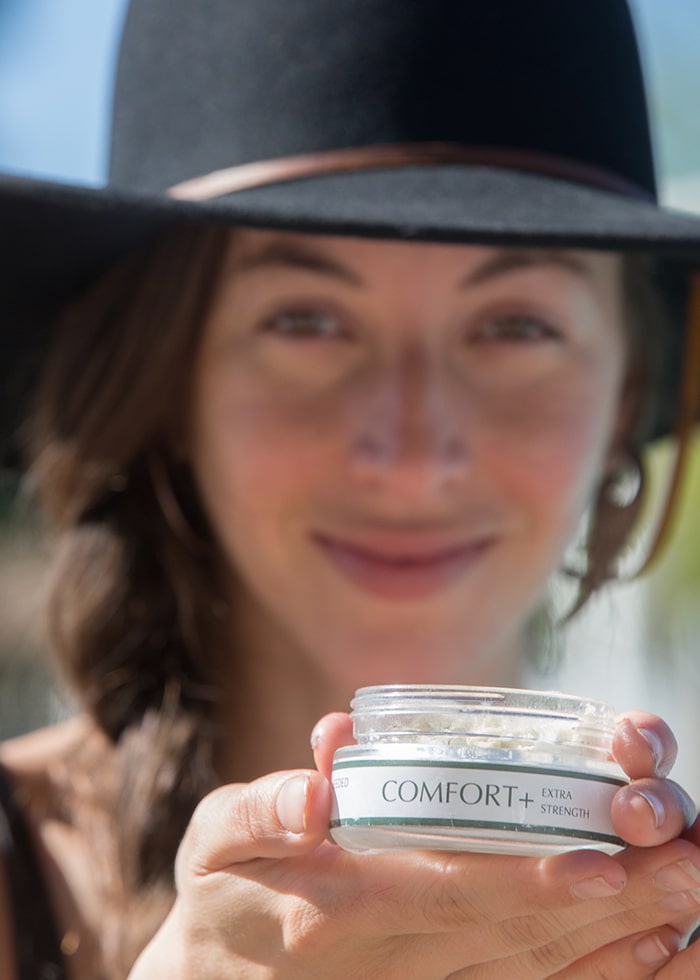
Full-Plant Cannabis Brings the Whole Chemistry
The cannabis plant produces a wide range of biologically active compounds. THC receives most of the attention because it interacts strongly with cannabinoid receptors tied to pain signaling. CBD plays a supporting role, while minor cannabinoids and aromatic terpenes contribute their own subtle effects within the body.
When these compounds remain together in a formulation, they cooperate with each other. Researchers often describe this as the entourage effect. Each molecule influences the activity of the others, creating a broader physiological response than a single compound could deliver on its own.
Full-spectrum cannabis preserves this chemistry. Instead of isolating one cannabinoid and discarding the rest, the extract carries the plant’s natural balance of compounds.
How THC Interacts With Skin, Muscles, and Joints
The skin contains cannabinoid receptors, particularly CB2 receptors that participate in immune signaling and inflammatory response. When a THC-rich cream is massaged into sore areas, cannabinoids begin interacting with these receptors in the outer layers of the body.
As the formulation absorbs, several processes begin to unfold:
- Cannabinoids bind with CB2 receptors located in skin cells and surrounding tissue
- Local absorption allows the compounds to reach muscles, tendons, and connective tissue
- Inflammatory signaling in irritated areas begins to settle
- Nerve endings that have been firing discomfort signals start to quiet
- Circulation improves in the treated area, helping muscles relax and recover
This chain of events explains why a well-formulated topical can bring noticeable relief within a short period of time.
Why THC Topicals Are Great Fit for Chronic Pain
Chronic pain creates a different challenge than temporary soreness. The affected tissues often remain in a cycle of irritation where nerves continue sending signals long after the original strain or injury occurred. A stronger localized approach helps interrupt that pattern.
THC-rich topicals provide concentrated cannabinoids directly to the tissues that need support. Many people report quicker relief compared with lighter formulations, along with deeper comfort that allows muscles and joints to move more freely.
The cannabinoids remain largely within the skin and surrounding tissue rather than entering the bloodstream. Mental clarity stays intact, which allows people to continue working, driving, exercising, and carrying out daily activities while the treated area settles down.
Finding the Right THC–CBD Balance for Pain Relief
The ratio of THC to CBD shapes how a cream feels on the body and how it performs once it reaches sore tissue. Some blends aim for a softer, more gradual effect. Others lean into THC because the goal is to quiet a louder pain signal.
The best choice depends on how strong the discomfort is, how long it has been around, and how much relief is needed to keep moving through the day.
Balanced Cannabinoid Profiles
Balanced ratios like 1:1 place THC and CBD side by side. These formulas often suit people easing into cannabis topicals, especially those who want a measured experience while they learn how their skin and tissues respond. CBD can smooth the overall feel of a THC-containing formula for some users, while still contributing its own influence on inflammatory activity.
Balanced and CBD-leaning products can make sense for mild soreness, light joint stiffness, or occasional flare-ups that come and go. They are often chosen when the goal is general comfort rather than a strong shift in pain levels.
Why Sweet Releaf Uses High-THC Ratios
Sweet Releaf leans THC-forward because persistent pain usually needs a stronger conversation with cannabinoid receptors. Higher THC levels interact more directly with pathways involved in pain signaling, which can help calm irritated tissue and reduce the sense of constant “noise” coming from a joint, muscle, or overworked area.
A modest amount of CBD remains in the blend to support the entourage effect that comes from whole-plant cannabis.
Full-plant formulations keep minor cannabinoids and aromatic compounds in play, which often creates a broader, more satisfying result than isolated cannabinoids alone. This approach is built for people who have tried gentle creams and felt little change.
Best Sweet Releaf Products for Pain
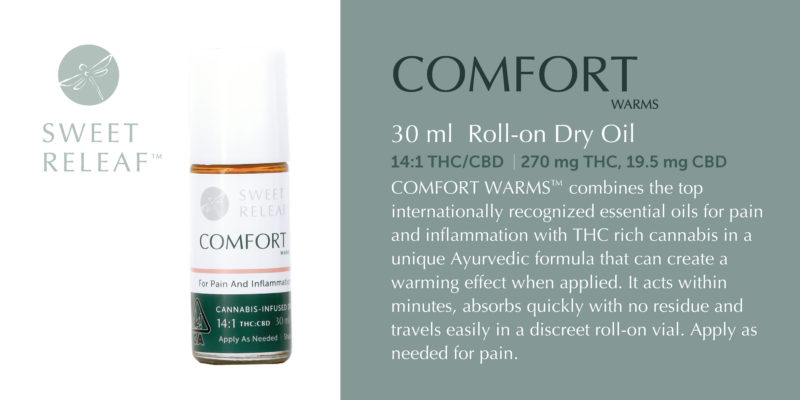
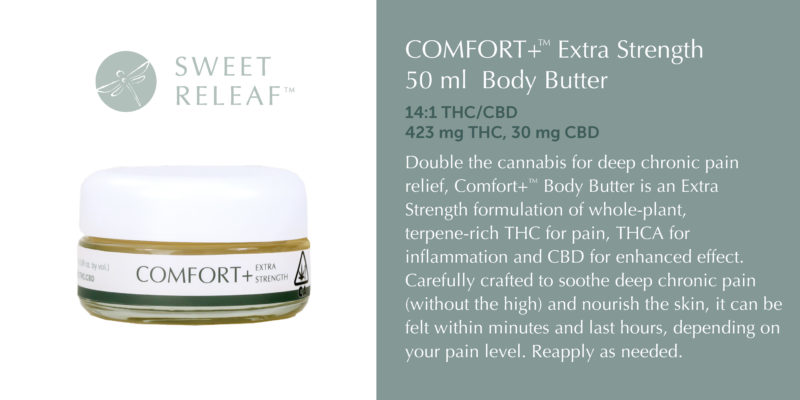
Comfort+ Extra Strength Body Butter
Do THC Topical Creams Have Side Effects?
THC is widely associated with intoxication when it is smoked or eaten. Applying it to the skin sounds different, yet many people want to know how the body actually responds when cannabinoids are absorbed through topical use.
Will THC Creams Get You High?
THC behaves very differently in a topical cream than it does when inhaled or consumed. When cannabinoids are applied to the skin, they interact mainly with receptors located in the outer layers of tissue and the peripheral nerves beneath the surface.
Because absorption stays local, cannabinoids from standard topical products rarely reach the bloodstream in levels that affect the brain.
For this reason, cannabis creams are widely used during the day. People apply them before work, after exercise, or while handling normal daily responsibilities. The goal is relief in a specific area of the body while the rest of the system carries on as usual.
Possible Skin Sensitivity
Topical products interact with the skin first, so the ingredients surrounding the cannabinoids matter as much as the cannabis itself. Some people react to botanical extracts, essential oils, or aromatic compounds that are included to support circulation or provide scent.
These reactions usually appear as mild redness or irritation on sensitive skin. Testing a small amount of cream on a limited patch of skin before broader use allows the body to show whether it tolerates the ingredients comfortably.
When the ingredient list stays simple and focused on skin-friendly oils and botanical compounds, most people find topical cannabinoids easy to tolerate.
Tolerance and Long-Term Use
Topical cannabinoids show a different pattern from many pharmaceutical pain treatments. Regular use rarely produces the tolerance effect seen with medications that act through the bloodstream or central nervous system.
Many long-term users apply the same cream for months or years while maintaining similar results. The cannabinoids continue interacting with receptors in local tissue without requiring steadily higher amounts.
This steady response helps explain why cannabis topicals have become part of long-term routines for people managing chronic joint and muscle discomfort. Targeted application can support mobility while reducing the need to rely heavily on systemic pain medications.
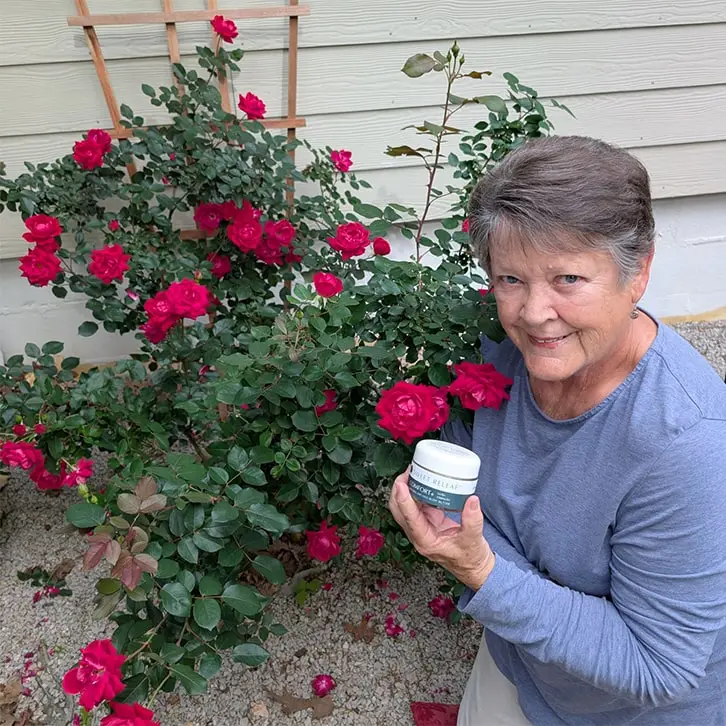
Moving Through Life With Less Pain
Pain has a way of pulling people into routines built around pills, short bursts of relief, and the steady return of the same ache in the same place. Many people begin looking for another path once that cycle starts to feel like the only option.
Cannabis topicals offer a different approach. Instead of sending medication through the entire body, cannabinoids work directly in the muscles, joints, and connective tissue that need attention. CBD creams may help calm mild inflammation. Stronger THC formulations often reach deeper issues that linger in the background of everyday movement.
For people who want to stay active and present in their daily lives, exploring high-quality cannabis topicals can open a practical door to better comfort.
Sweet Releaf continues to craft these formulations with that goal in mind. If questions come up along the way, the team is always ready to help guide the search for the right solution.