
CBD and THC both help nerve pain, but in different ways.
THC blocks pain signals and often provides stronger relief, while CBD reduces inflammation and sensitivity without a high.
Many find the best results using both together, like Sweet Releaf’s THC-rich topicals that deliver targeted relief without intoxication.
Why Nerve Pain Doesn’t Act Like Normal Pain

Nerve pain doesn’t act like normal pain. We’ve always seen pain as a kind of language, but nerve pain is more like a riddle.
The signals get distorted, showing up as burning, tingling, stabbing, or that strange electrical flicker that seems to come out of nowhere.
What’s really happening is the nerve is misfiring, sending messages that don’t match reality. And once that loop starts, it doesn’t shut off, it can run all day and into the night.
That persistence is what wears people down more than anything else.
So people turn to medications like gabapentin or Lyrica. They can help, but often at a cost, brain fog, fatigue, memory issues, a sense of not feeling like yourself.
And eventually, a quieter question starts to surface: is there something that works… without taking the rest of me with it?
Why Cannabis Is Showing Up In Nerve Pain Conversations
Cannabis isn’t new, but the way we’re using it for nerve pain is.
It’s no longer about getting high; it’s about staying functional, moving through the day, and finally getting some rest without trading one problem for another.
That shift has people looking more closely at THC and CBD for what they actually do in the body.
- CBD often feels like the safe starting point, no high, easy to try, but many people walk away feeling little to no relief.
- THC, on the other hand, can bring real results, but sometimes at the cost of focus, clarity, or comfort during the day.
So people start experimenting somewhere in between, sensing that a combination works better without fully understanding why.
That confusion is natural. We’ve been taught to think in either/or, CBD or THC, but nerve pain doesn’t follow simple rules.
Once you understand how each compound works, it becomes less about choosing sides and more about using them together in a way that actually fits your body.
THC Vs CBD: What’s Actually Happening In Your Body
When we started formulating topicals, we weren’t thinking in marketing terms. We were thinking in cause and effect.
- What is the body doing?
- Where is the signal breaking down?
- And how do we meet it there?
That’s really what this comes down to, understanding how these compounds interact with the system that’s already inside you.
THC: The Pain Signal Interrupter
THC works right at the level where pain is interpreted, your brain and spinal cord. It binds to CB1 receptors and changes how your brain reads incoming pain signals.
Instead of chasing inflammation, it steps in at the source of perception, turning down intensity and urgency so the pain feels more distant and manageable.
That’s why properly dosed THC can feel immediate and noticeable. It may not erase the pain completely, but it often takes the edge off enough to restore sleep or relief people haven’t felt in a long time.
For many, that shift alone is life-changing.
But THC requires respect. Too much can cloud thinking, trigger anxiety, or pull you out of your day when you need to stay present.
CBD: The Inflammation Soother
CBD takes a quieter, more indirect approach.
Instead of interrupting the pain signal, it works to calm the environment around it, helping regulate inflammation and reduce nerve hypersensitivity.
Think of it as lowering the background noise in a system that’s been stuck on high alert.
It supports more balanced signaling without binding in a way that causes intoxication. That makes it appealing for daytime use, at work, while driving, or anytime you need a clear head.
For some people, especially with mild or inflammation-driven pain, that’s enough to take the edge off.
But with deeper nerve pain, CBD often isn’t the whole answer. Many people cycle through product after product hoping for more relief, only to feel like something is missing.
It’s not that CBD doesn’t work, it’s that it’s not always addressing the full picture on its own.
Why Many People Need Both
It’s not really CBD versus THC, it’s how they divide the work.
THC steps in at the level of the pain signal, while CBD supports the tissue and environment around it.
When you combine them, the experience becomes more balanced. You often need less THC to get relief, and the overall effect feels smoother and more functional.
Instead of an all-or-nothing response, it becomes something you can actually live with.
This synergy, often called the entourage effect, is where the plant starts to make the most sense. People who couldn’t tolerate THC alone begin to find their footing.
Relief becomes more consistent, with fewer side effects and less guesswork.
And that’s the shift: moving from chasing symptoms to supporting the system itself. Once you feel that difference, it’s hard to go back.
Cream Or Edibles For Nerve Pain? Here’s The Difference
“Should I use a cream… or take something internally?”
It’s confusing because they’re often treated like they solve the same problem, but they don’t. It really comes down to where the pain lives.
For deep, widespread nerve pain, internal options tend to work better. Edibles, capsules, or tinctures support the body from the inside out and can help with longer-lasting relief and sleep. But for localized pain, something you can point to, topicals work differently, delivering targeted relief without affecting your headspace.
The catch is, not all topicals are built the same. Many are low potency, CBD-only, or sit on the skin without absorbing.
When a topical is made with enough THC and designed to penetrate, you don’t have to guess if it’s working, you feel it.
Sweet Releaf’s Approach: Why High-THC Topicals Feel Different
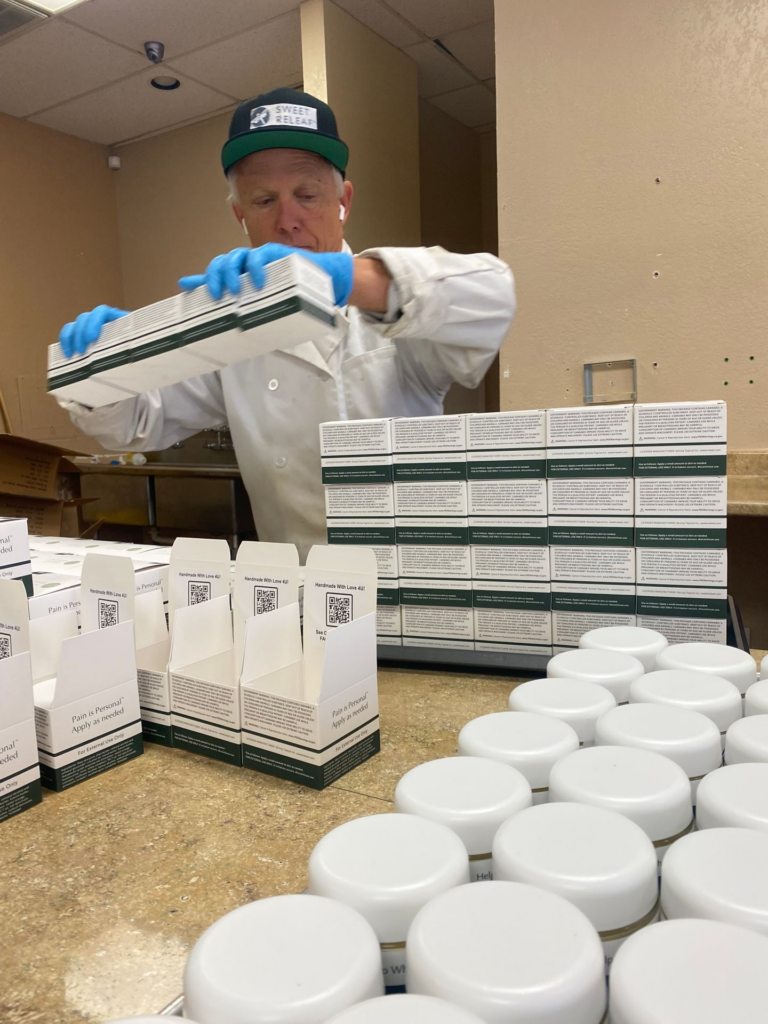
We didn’t set out to make another cream. We set out to fix something we kept hearing, people trying CBD topicals, feeling nothing, and walking away.
That told us the issue wasn’t cannabis. It was how it was being made.
So we rebuilt it from the ground up, focusing on what actually creates noticeable relief.
1. THC-Forward Formulation
We lead with THC because that’s what moves the needle for pain. Especially nerve pain. It works at the level where the signal is felt, not just where inflammation sits.
CBD still plays a role, but it supports the process. The goal is simple, real relief you can feel, not something you have to guess at.
2. Full-Spectrum, Whole-Plant Cannabis
A lot of products take shortcuts with isolates and distillates. They’re easier, but they strip away what makes the plant effective in the first place.
We use full-spectrum, whole-plant cannabis so everything works together. The result isn’t flat, it’s layered, balanced, and more complete.
3. Emulsion Technology (Not Greasy Salves)
Most topicals sit on the skin. They moisturize, maybe smell nice, but they don’t go far.
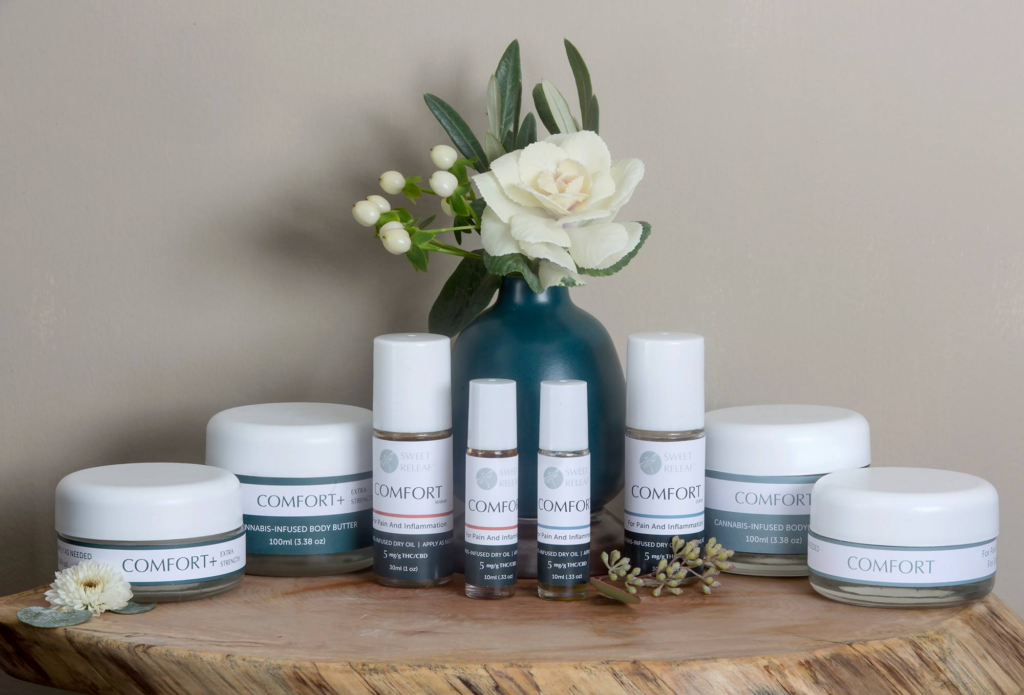
The Comfort Body Butter is an emulsion, which means it actually absorbs and moves into the tissue. It goes on smooth, penetrates deeper, and feels like a proper cream instead of a waxy layer.
4. Non-Psychoactive Relief
Even with high THC, the effect stays local. It doesn’t enter the bloodstream in a way that gets you high.
You can use it during the day, at work, or anywhere you need to stay clear. That’s a turning point for people who want relief without losing function.
Targeted Relief For Stubborn Nerve Pain
Comfort Body Butter (Deep, Targeted Relief)
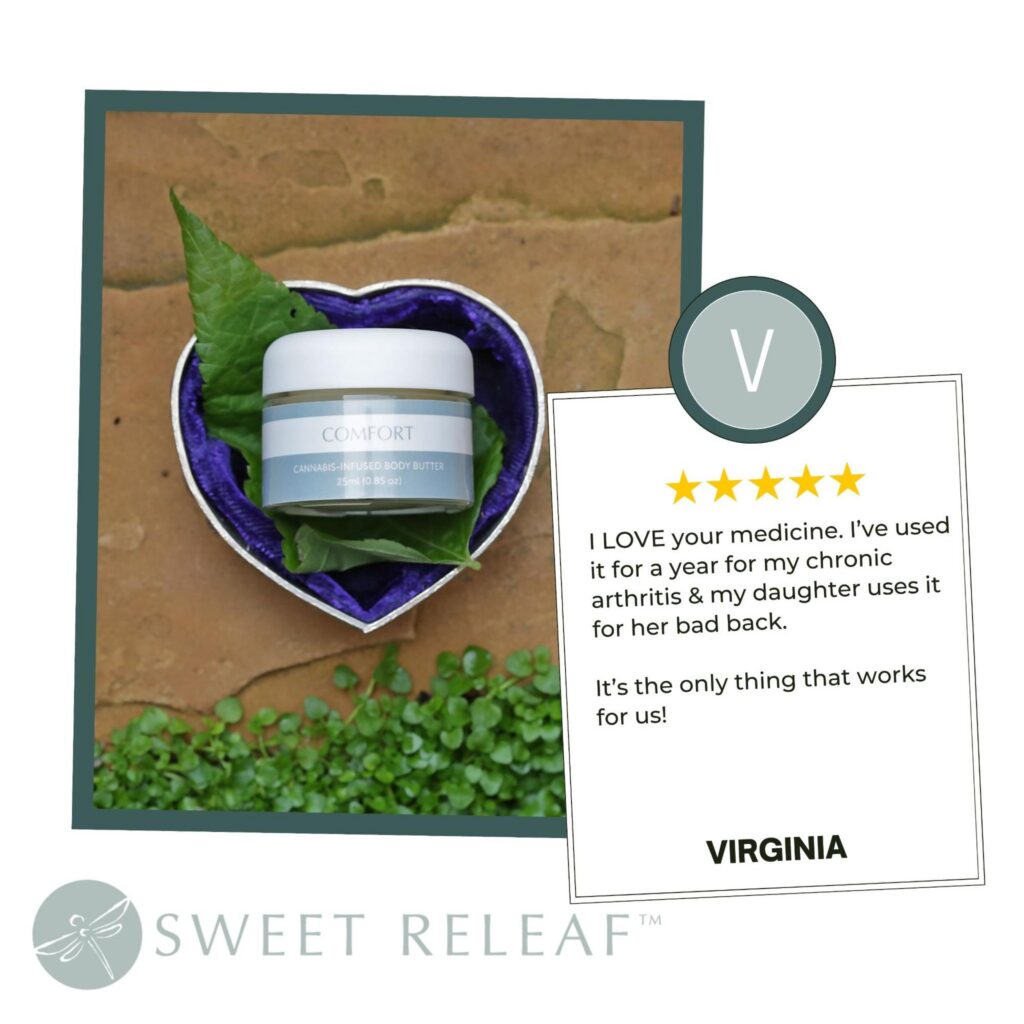
This is where most people start, and for good reason. The Comfort Body Butter delivers high-THC, full-spectrum relief directly to the area that needs it most.
It’s built for deeper, persistent pain, the kind you can point to and say, “it’s right here.” It absorbs quickly, works fast, and doesn’t interfere with your headspace.
Warm & Cool Roll-Ons (Targeted Relief, Two Different Ways)
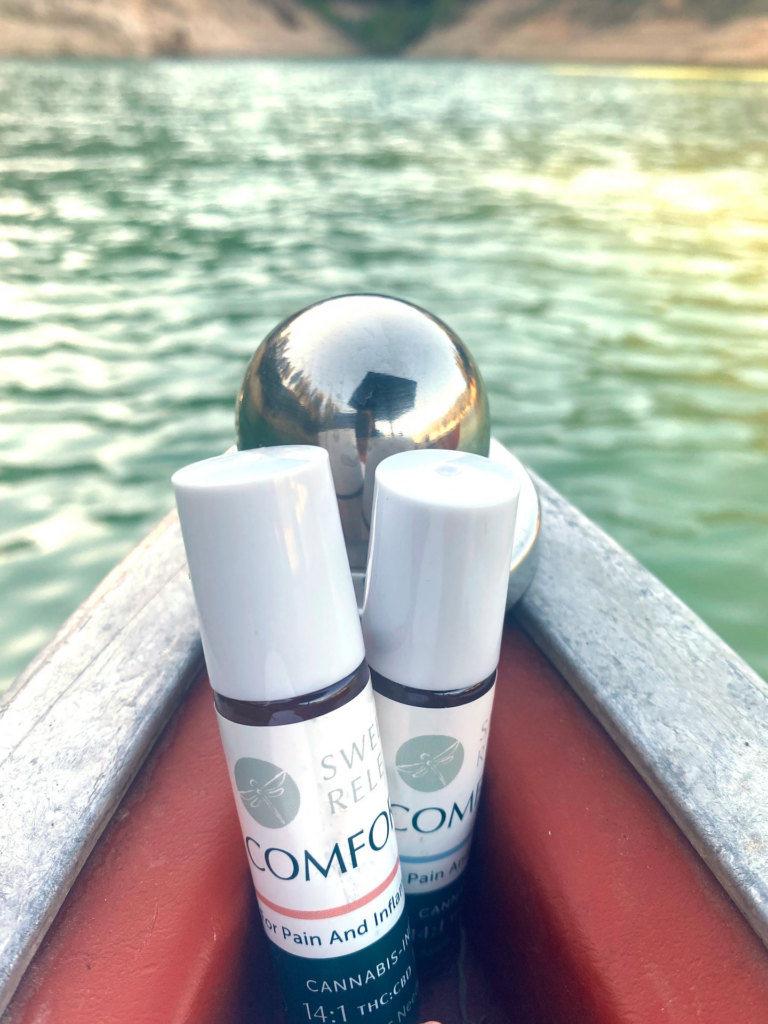
Sometimes it’s not just where the pain is, it’s how it feels.
That’s where the difference between Warm and Cool really matters.
Warm Roll-On (For Tight, Stiff, “Locked-Up” Pain)
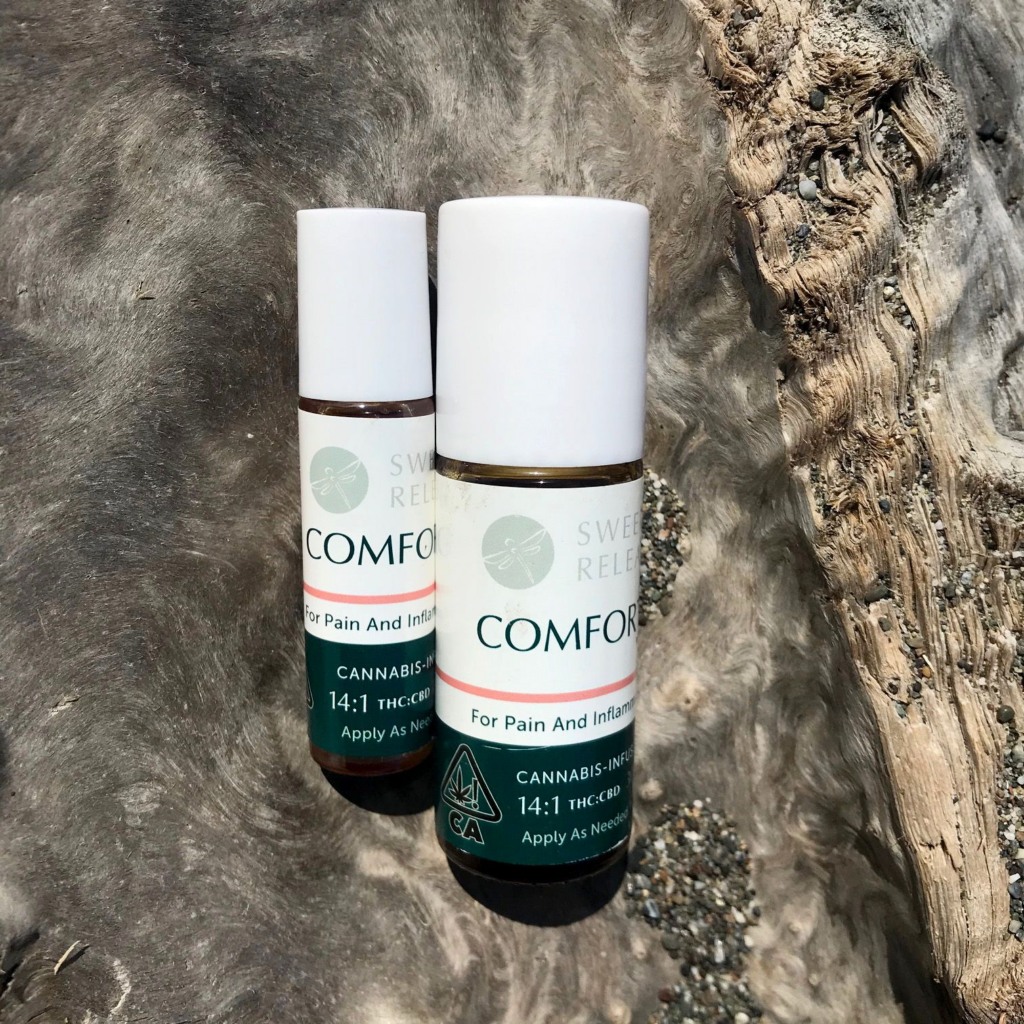
The Warm Roll-On is for those areas that feel stuck. Tight muscles, stiffness around joints, or that deep, dull ache that doesn’t want to loosen.
It brings a gentle, building heat that helps increase circulation and soften tension.
Think of it as helping your body open up, especially useful before movement, stretching, or at the end of a long day when everything feels compressed.
Cool Roll-On (For Irritated, Sensitive, “On-Edge” Pain)
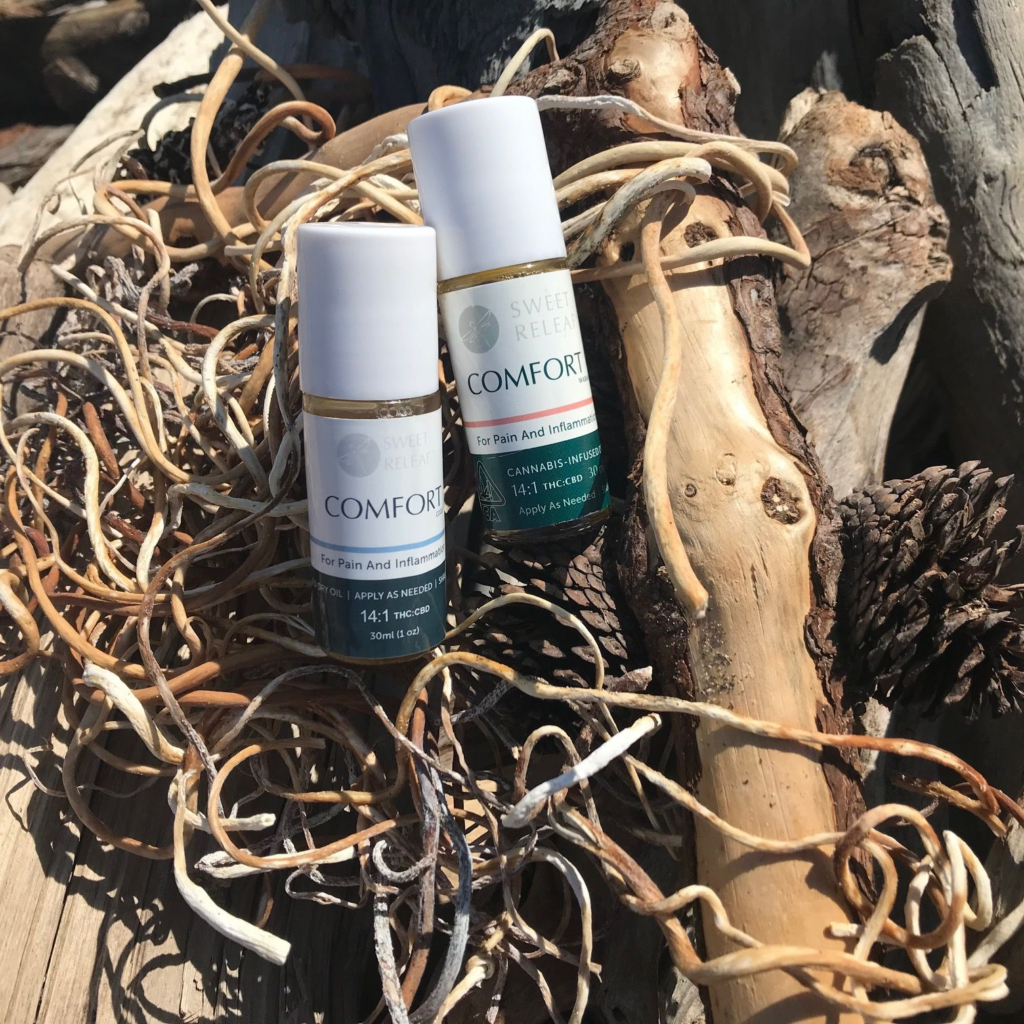
The Cool Roll-On is for a different kind of discomfort, when things feel inflamed, reactive, or overly sensitive.
It delivers a calming, cooling sensation that helps quiet irritation and take the edge off nerve-related discomfort.
This is often the go-to for flare-ups, burning sensations, or areas that feel “too awake” and need to settle down.
A More Practical Way To Think About It
At some point, “CBD or THC?” stops being a useful question. Nerve pain isn’t simple, so the answer rarely is either.
A better approach is to step back and look at what your body is actually asking for.
Is the pain deep and widespread, or specific and localized? Do you need to stay clear-headed during the day, or are you trying to finally get real sleep at night?
When you shift the question this way, you stop guessing, and start matching the right tool to the job.
Where To Go From Here
If you’ve been dealing with nerve pain, you’ve probably been through the cycle, try something, hope it works, adjust, repeat. It gets exhausting.
Some people get enough relief from CBD, others need THC, and many are trying to find a balance that doesn’t take them out of their own life.
That’s where topicals can quietly change things. They work where you need them without affecting your headspace, which matters more than people expect. And if you’ve tried them before and felt nothing, it may not have been the idea, it may have been the formulation.
There’s a difference between a lightly infused cream and something built to actually deliver.
That’s what we aimed for with Comfort Body Butter, something you don’t have to guess about. When it lines up with your body, it’s not subtle. You feel it.
Find Sweet Releaf at a dispensary near you and see what real, targeted relief feels like.
Disclaimer:
This article is for informational purposes only and isn’t medical advice. Sweet Releaf products are designed to support comfort, not to diagnose or treat medical conditions.
Everyone’s body is different, so results can vary. If you have a medical condition or are taking medications, it’s always a good idea to check with your healthcare provider.