Most THC topicals won’t show up on a drug test because they stay in the skin and don’t enter the bloodstream.
The risk mainly comes from transdermal products or mislabeled formulas.
High-quality options like Sweet Releaf are designed for localized relief, so you can manage pain without worrying about testing positive.
Why Topical THC Works Without Getting You High
Most people assume THC has to travel through the bloodstream to do anything meaningful. That’s true for edibles or smoking, but topicals work differently.
They’re designed to stay local, interacting with your body right where the discomfort lives.
When applied, cannabinoids bind with CB2 receptors in the skin, muscles, and surrounding tissue, helping regulate pain and inflammation at the source.
The relief stays at the site of application, and in most cases, THC doesn’t enter the bloodstream or reach the brain, so there’s no high, no fog, no shift in how you feel mentally.
People often ask how it works if it doesn’t circulate through the body. The answer is simple: it doesn’t need to.
By calming inflammation and pain signals locally, a well-made topical can ease sore joints, tight muscles, and nerve irritation, without affecting your head or your day.
Will You Fail A Drug Test?
Most standard THC topicals are very unlikely to make you fail a drug test.
That’s because drug tests don’t look for THC on your skin, they look for metabolites your body creates after THC enters the bloodstream.
No bloodstream exposure means no metabolism. No metabolism means no metabolites, and nothing for the test to detect.
That’s the core logic behind why true topicals are considered low risk.
But “low risk” doesn’t mean impossible. The real issue is that not all products labeled “topical” behave the same, which is where understanding formulation starts to matter.
When Topical THC Can Show Up On A Drug Test
This is where things get real. Not everything on the shelf plays by the same rules.
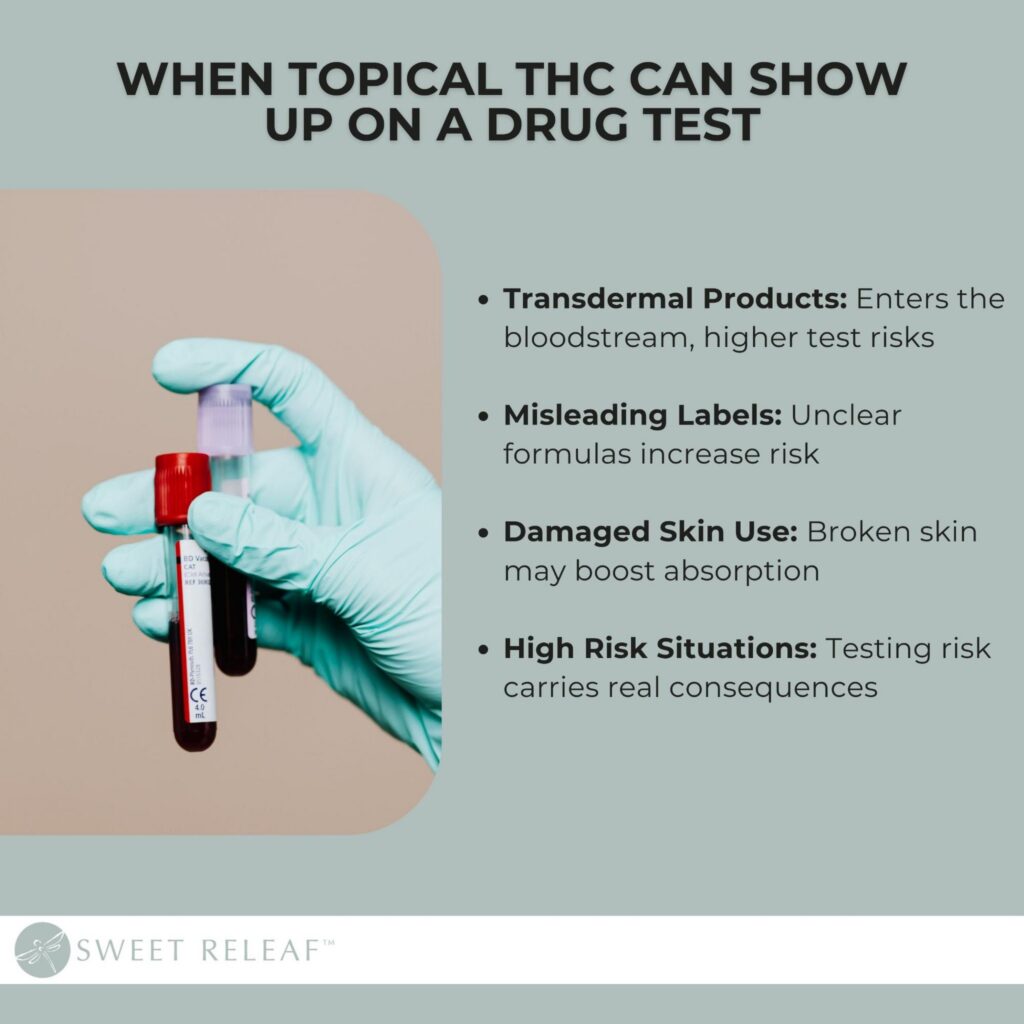
1. Transdermal Products (The #1 Exception)
There’s a big difference between a topical and a transdermal product, even though both go on your skin.
Transdermal products are engineered to push cannabinoids through the skin barrier and into your bloodstream. That’s their job.
To do that, they often include what are called penetration enhancers, ingredients like isopropyl myristate or certain alcohol derivatives.
These compounds help THC cross that protective outer layer of your skin. You’ll see this in:
- Patches
- Some gels
- Certain “advanced” creams that advertise deeper delivery
If it’s designed to go systemic, then yes, there’s a real chance it could show up on a drug test.
2. Misleading Labels & Poor Formulation
There’s a lot of noise in this industry. Products get labeled as “topical,” but when you look closer, they’re built more like transdermals, or worse, there’s no clarity at all.
If there’s no third-party lab test (COA), no clear ingredient list, no transparency about cannabinoid content, that’s a red flag.
Some lower-cost products cut corners by:
- Using CBD isolate with trace THC they don’t fully disclose
- Adding absorption enhancers to “make it work better”
- Prioritizing marketing claims over formulation integrity
And now you’re left guessing what’s actually happening in your body. That’s not a position anyone should be in, especially if your job or license is on the line.
3. Damaged Skin Or Improper Use
Your skin is an incredible barrier, but it’s not invincible.
If you’re applying a product over:
- Open cuts
- Burns
- Rashes
- Or near mucous membranes
…you may increase the likelihood of absorption beyond what’s intended.
4. High-Stakes Situations
For some people, even a small risk is too much.
If you’re:
- A nurse or healthcare professional
- An athlete subject to testing limits
- Applying for a new job
- On probation or parole
…the consequences of a positive test are serious.
In those cases, you don’t just want something that “probably” won’t show up. You want something you understand, trust, and can verify down to the ingredient level.
Because at the end of the day, this isn’t just about cannabis.
It’s about protecting your livelihood while still taking care of your body.
Let’s Talk Real Scenarios: Should You Be Worried?
We’ve talked to enough people to know this question usually comes with a knot in the stomach, job offers, random tests, something important on the line.
So let’s walk through the situations that come up most, and what actually matters in each.
“I Had A Massage With THC Or CBD Cream… Should I Worry?”
Short answer: very low risk, especially if it was a one-time experience.
Most massage creams are standard topicals, meaning they stay in the skin rather than entering the bloodstream.
The real question isn’t just THC content, it’s whether the product was transdermal. If it wasn’t designed for systemic delivery, it’s extremely unlikely to affect a drug test.
“I Only Used It Once On My Knee, Am I Safe?”
In most cases, yes.
A single or occasional use results in negligible systemic exposure, meaning there’s not enough absorption to create detectable metabolites.
People often assume any THC contact equals a failed test, but that’s not how the body processes it, dose, frequency, and delivery method all matter.
What If I Have A Test Coming Up Soon?
This is where anxiety kicks in, and people start thinking in timelines. But with topicals, time matters far less than product type.
If it was a true topical, there’s little to no systemic presence to begin with.
For peace of mind, an at-home test can offer quick reassurance before anything official.
Where Sweet Releaf Products Fit In
At some point, all of this comes down to a simple question: what do I actually use?
We built the Sweet Releaf line to meet people where they are, whether that’s chronic pain that lingers or the kind of soreness that shows up after a long day.
Every product follows the same principle: real relief, kept local, without adding new concerns.
Comfort Body Butter
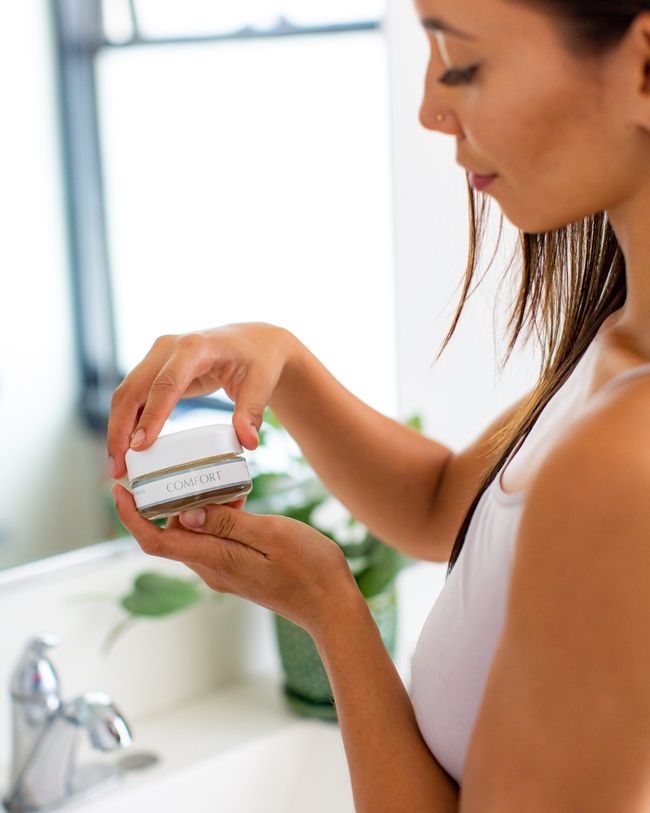
This is where most people start. Comfort Body Butter is balanced for everyday use, something you can apply to stiff joints, sore muscles, or recurring pain without overthinking it.
It absorbs quickly, works deeply, and fits into a daily routine. For many, it becomes that go-to jar that lives on the counter because it simply does what it’s supposed to do.
Comfort+ Extra Strength
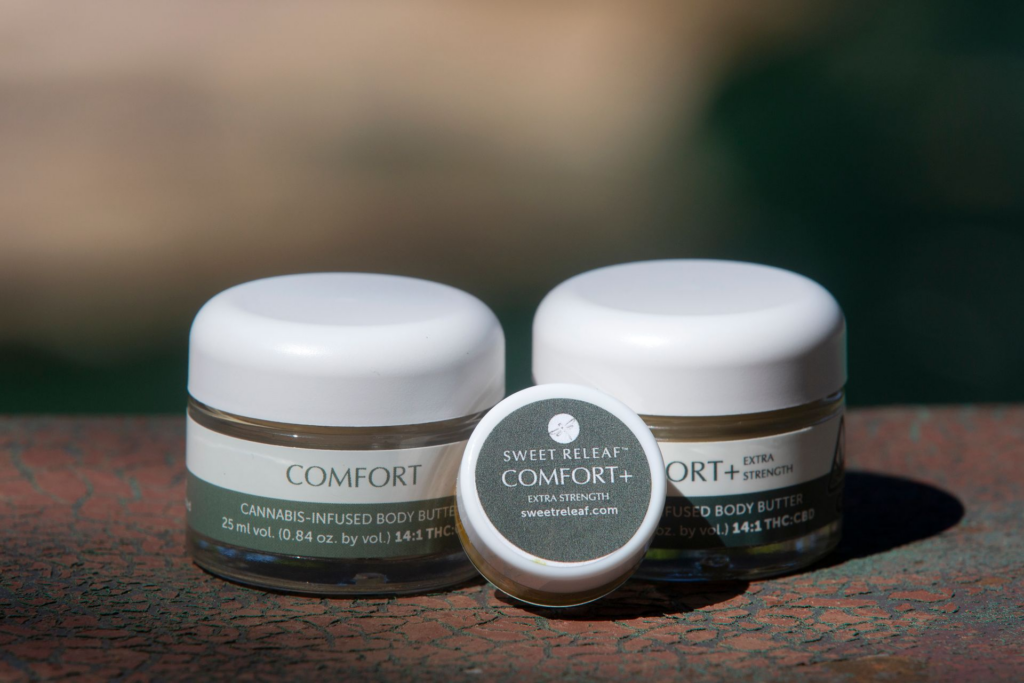
When pain goes beyond occasional discomfort, Comfort+ Extra Strength steps in. It builds on the same formulation but with a higher potency for more persistent conditions.
This is the one people reach for with arthritis, post-surgical recovery, or long-term chronic pain, when you need something stronger, but still want to stay clear-headed and functional.
Comfort Cools (Roll-On)
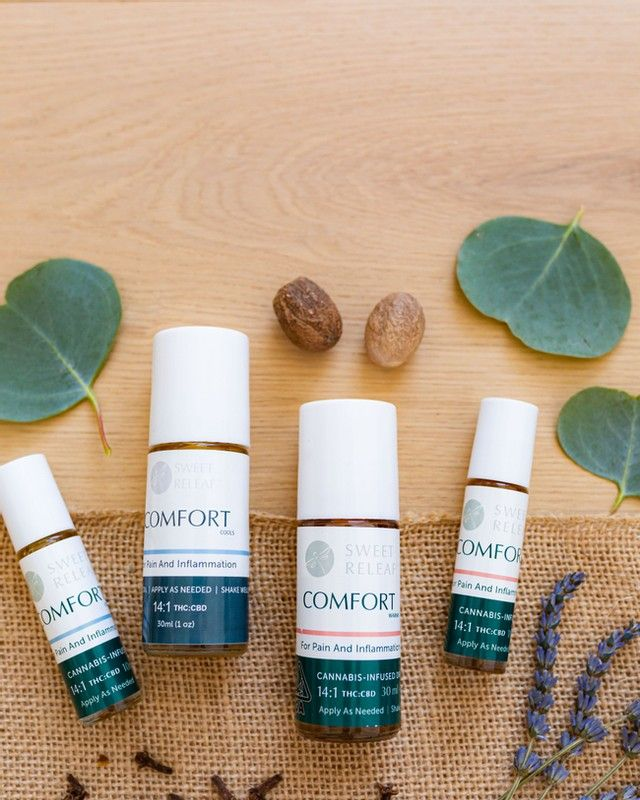
Comfort Cools is designed for movement. It’s a roll-on with a cooling effect that works well after activity, helping calm inflammation and bring relief to overworked areas.
It’s easy to carry, quick to apply, and ideal for people who need something on-the-go without slowing down their day.
Comfort Warms (Roll-On)
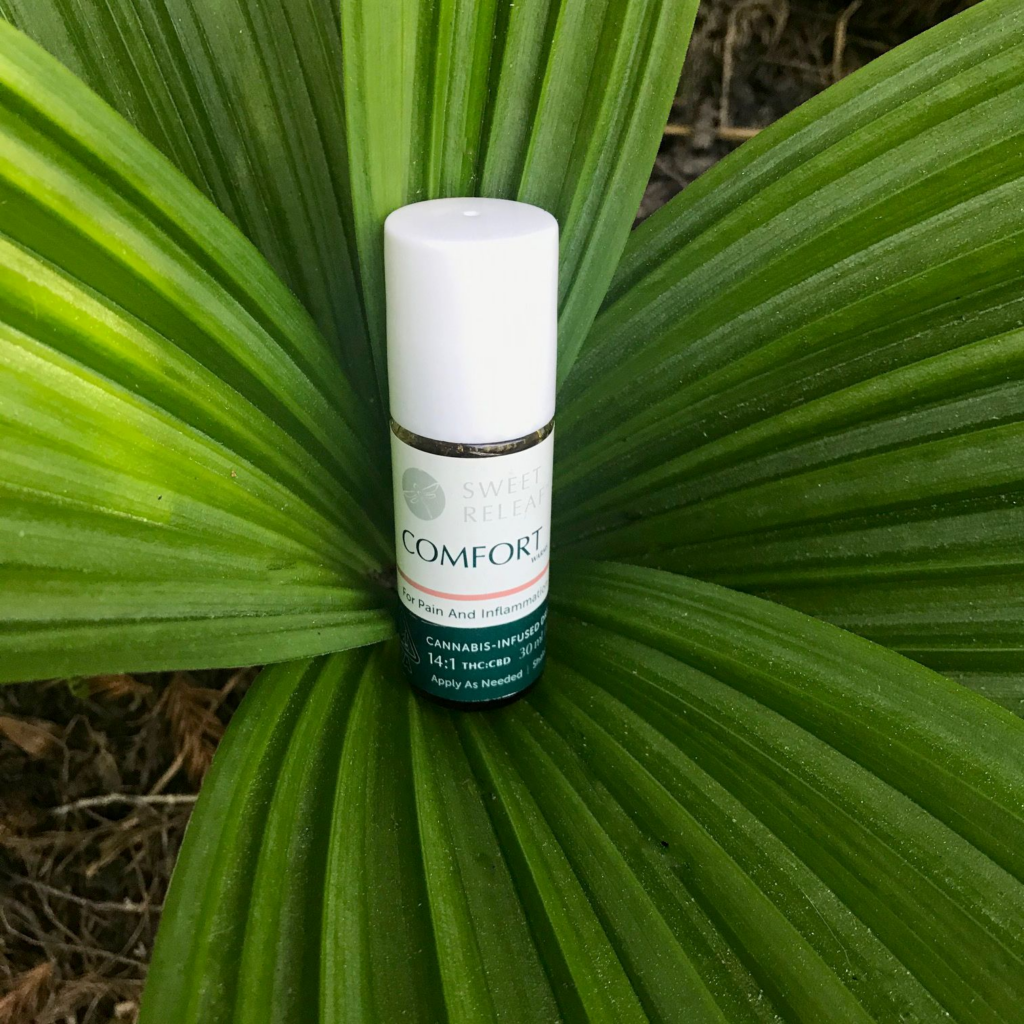
Comfort Warms takes a different approach with a gentle warming sensation that helps loosen tight muscles and increase comfort in stiff areas.
It’s especially useful before activity or when your body needs help easing into movement, simple, targeted, and effective without any guesswork.
The Bigger Picture: Pain Relief Without The Trade-Off
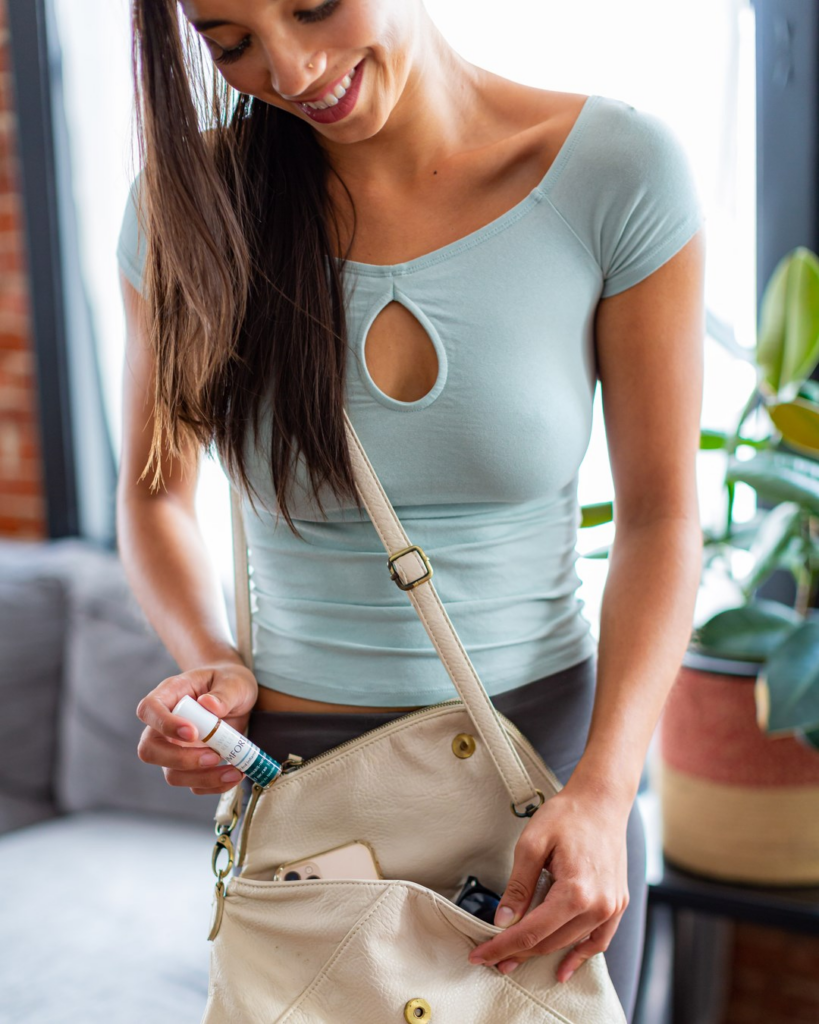
Most people don’t end up here because they’re curious about cannabis.
They’re here because something hurts, and it’s been hurting long enough that the usual options no longer feel like real solutions.
Over time, the trade-offs start to show. NSAIDs raise concerns about long-term impact, and opioids can bring dependency, mental fog, and a disconnect from daily life.
That’s where well-made topicals come in. They offer:
- Control: apply it exactly where it hurts
- Clarity: no impact on your head
- Functionality: keep moving through your day
For people balancing work, family, and long-term health, that balance isn’t a luxury, it’s everything.

Disclaimer:
This article is for informational purposes only and isn’t medical advice. Sweet Releaf products are designed to support comfort, not to diagnose or treat medical conditions.
Everyone’s body is different, so results can vary. If you have a medical condition or are taking medications, it’s always a good idea to check with your healthcare provider.