Apply Sweet Releaf Comfort Body Butter or Comfort+ Extra Strength to clean, slightly damp skin after bathing or before bed. Massage into dry areas such as hands, knees, elbows, and feet. Reapply our high-THC, non-psychoactive formula as frequently as needed to keep your skin well hydrated.
Intro: Winter Skin Needs All the Help It Can Get
Cannabis topicals have moved out of the shadows of smoke shops and into serious skincare conversations. Dermatologists, formulators, and patients alike are paying attention to how cannabinoids interact with the skin’s own endocannabinoid system.
Premium, whole-plant brands are leading that shift, and for good reason. When formulated properly, cannabis belongs in the same discussion as barrier creams and therapeutic moisturizers.
The role of cannabis-based creams increases when the weather turns cold. Winter places very specific demands on skin:
- Barrier repair
- Deep hydration
- Anti-inflammatory support
- Fast absorption without residue
- Safe daily use on stressed areas
Sweet Releaf operates on simple principles. We formulate with high levels of full-spectrum Delta 9 THC, using the raw trichomes of sungrown cannabis. Every jar is made by hand in small batches. Our body butters are true emulsions, blending oil and water into a smooth, fast-absorbing cream that penetrates quickly and leaves no greasy film.
In the sections ahead, we will walk you through why winter skin behaves differently, how cannabinoids calm irritation and dryness at the receptor level, which Sweet Releaf formula fits your situation, and exactly how and when to apply it for the best results.
Why Your Skin Feels Like Sandpaper Every Winter
During winter, environmental humidity drops and indoor heating systems run for longer periods of time. Both factors increase transepidermal water loss, which means water evaporates from the surface of your skin faster than it is replaced. As moisture levels decline, the outer barrier layer becomes less flexible and more reactive. Texture changes follow.
Cold Air, Radiators, and the Humidity Drop
Cold air carries less moisture than warm air. When outdoor humidity falls, the gradient between your skin and the surrounding air increases, accelerating water loss from the epidermis. Lower barometric pressure systems can also heighten tissue sensitivity, which contributes to the subtle inflammatory tone many people feel in colder months.
Indoors, radiators and forced air heating further reduce humidity. Prolonged exposure to dry indoor air weakens the lipid matrix that helps seal moisture into the skin.
Even in temperate regions, heated interiors create sustained barrier stress. Humidifiers can improve ambient moisture levels, yet they do not restore the structural components of the skin barrier. Topical support is still required.
The Body Parts That Take the Hit First
Certain areas tend to show dryness earlier because of lower oil gland density, exposure, or repeated friction:
- Hands
- Feet
- Knees
- Elbows
- Shins
- Neck and shoulders
These regions often develop rough texture, tightness, or scaling before other parts of the body.
Dryness Combined with Inflammation
Winter dryness frequently overlaps with low-grade inflammation. Skin may feel tight within minutes after bathing. Flaking becomes more visible under makeup. Redness and itching increase. Small surface fissures can develop, heightening sensitivity to products that were previously tolerated.
A secondary pattern also appears in some people: dryness alongside acne activity. When the barrier is disrupted by hot water or harsh cleansing, oil production can increase as surface hydration declines. The result is dehydrated skin that still produces excess sebum, creating a dry yet breakout-prone presentation.
What Cannabinoids Can Do for Dry, Irritated Skin
Dry winter skin is a barrier problem combined with inflammatory signaling. When the outer layer loses structural lipids and water, nerve endings become more reactive and immune activity in the skin increases. Cannabinoids interact directly with this system and bring some wide-ranging benefits for the skin.
The Endocannabinoid System in the Skin
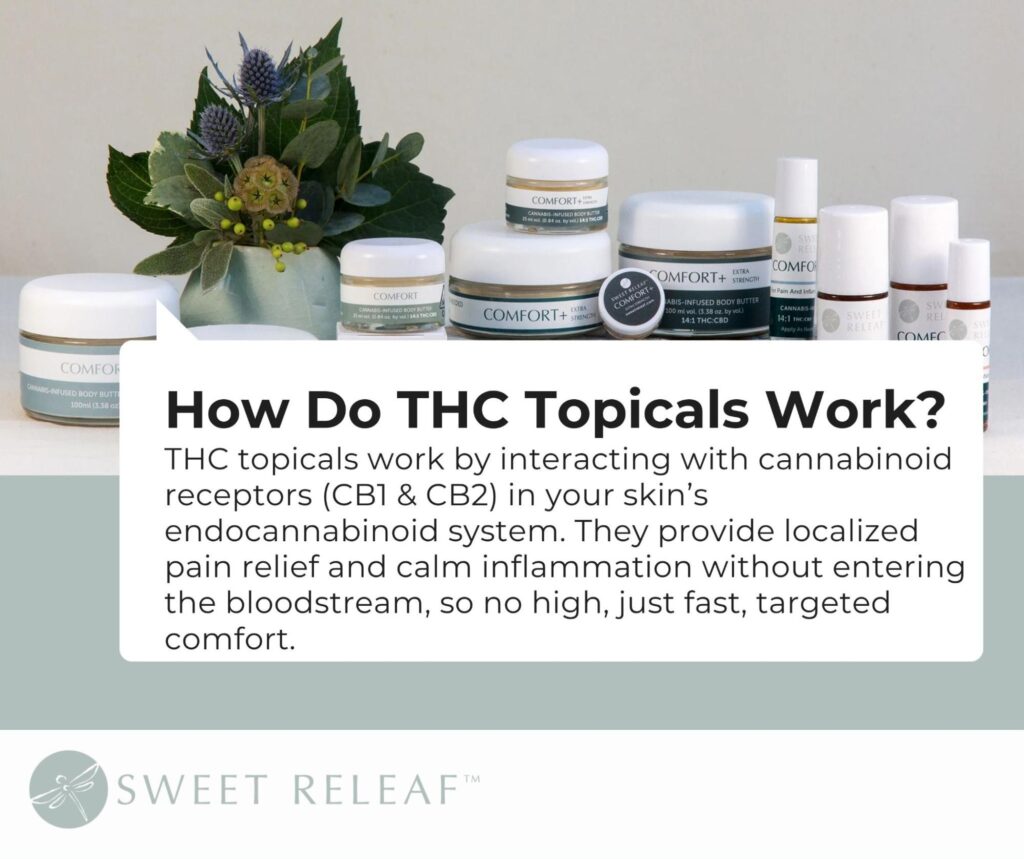
Human skin contains a functional endocannabinoid system. CB2 receptors are distributed throughout peripheral tissues, including keratinocytes, immune cells, and nerve fibers in the skin. These receptors participate in regulating inflammation, pain signaling, and barrier balance.
When a topical containing cannabinoids is applied to the skin, those compounds bind locally to receptors in the tissue where they are placed. Standard topical formulations do not enter the bloodstream in meaningful amounts.
That localized interaction allows targeted modulation of inflammation and discomfort without systemic psychoactive effects. You can apply a high-THC cream to your hands and continue working, driving, or exercising without intoxication.
This localized receptor activity is the foundation of why cannabis topicals behave differently from standard moisturizers. They communicate with regulatory systems already present in the skin rather than acting only as occlusive barriers.
THC vs CBD in Topical Skincare
CBD has gained visibility in skincare, and it does offer anti-inflammatory properties. In many formulations, however, CBD is present at modest levels and produces subtle results. For mild irritation, that may be sufficient.
THC interacts more directly and robustly with cannabinoid receptors involved in pain and inflammatory signaling. Higher concentrations increase the likelihood of meaningful receptor activation at the site of application. Potency influences outcome.
Full-spectrum, whole-plant formulations contain not only THC and CBD but also minor cannabinoids and terpenes that influence absorption and tissue response. That chemical complexity contributes to functional depth in the tissue.
Why It Feels Soothing Within Minutes
The initial soothing sensation many users report is linked to rapid modulation of inflammatory signaling and local nerve activity. Cannabinoids can reduce the intensity of inflammatory mediators in the applied area. Some formulations also promote mild vasodilation, increasing local blood flow and improving nutrient delivery to stressed tissue.
Massage plays a mechanical role. It increases circulation and enhances distribution of the product across the surface. Formulation matters as well. An emulsion that blends water and oil allows cannabinoids to move through the stratum corneum more effectively than a heavy, wax-dominant salve. Absorption improves, and relief tends to register more quickly.
Why Sweet Releaf Is Not Your Average Winter Cream
Sweet Releaf was built to solve real pain problems, and dry winter skin often sits right on top of those problems. The formulas were developed through years of small-batch manufacturing, regulatory compliance, and direct feedback from people dealing with chronic discomfort.
That history shapes how the products feel and how they perform.
The Emulsion Advantage
Most cannabis topicals on the market are oil-heavy salves. They rely on beeswax and oils alone, which can sit on the surface and feel dense.
Sweet Releaf body butters are true emulsions, meaning oil and water are blended together under controlled temperatures and high-shear mixing. That structure changes how the product behaves on skin.
Aloe vera forms a significant portion of the base. Aloe contributes water content while supporting barrier recovery and calming irritated tissue. The oil phase carries the cannabinoids and lipid components needed for moisture retention.
When combined properly, the result is a cream that spreads easily, absorbs quickly, and leaves a soft finish rather than a waxy coating.
For people who worry about pore congestion during winter layering, the emulsion format tends to feel lighter and more breathable than heavy petroleum or wax-dominant products. It conditions without sealing the skin under a thick film.
Natural Ingredients, Strict Testing
Sweet Releaf uses raw cannabis trichomes rather than isolated distillates. Trichomes contain the plant’s cannabinoids and aromatic compounds in their natural ratios. That whole-plant approach preserves chemical complexity that many mass-produced products remove during refinement.
The formulas exclude synthetic preservatives and unnecessary fillers. Coconut oil, cocoa butter, shea butter, and aloe form the backbone of the texture. Each batch undergoes required state testing for potency, purity, and safety compliance.
The company remains family-owned and independently operated. Decisions about sourcing and potency are made internally rather than dictated by outside investors.
Made by Hand, Not by Venture Capital
Sweet Releaf began in Grandmother Didi’s kitchen after a serious car accident left her daughter in chronic pain. The first batches were produced out of necessity. Scaling the product meant navigating California’s legalization framework while maintaining the original formulation principles.
A small team continues to manufacture the products by hand. Prices have remained steady despite industry volatility. Customer emails and phone calls are answered directly, and feedback regularly informs production adjustments.
That loop between the people who make the creams and those who use them has shaped the current winter-ready formulations.
Which Sweet Releaf Product Is Best for Dry Winter Skin?
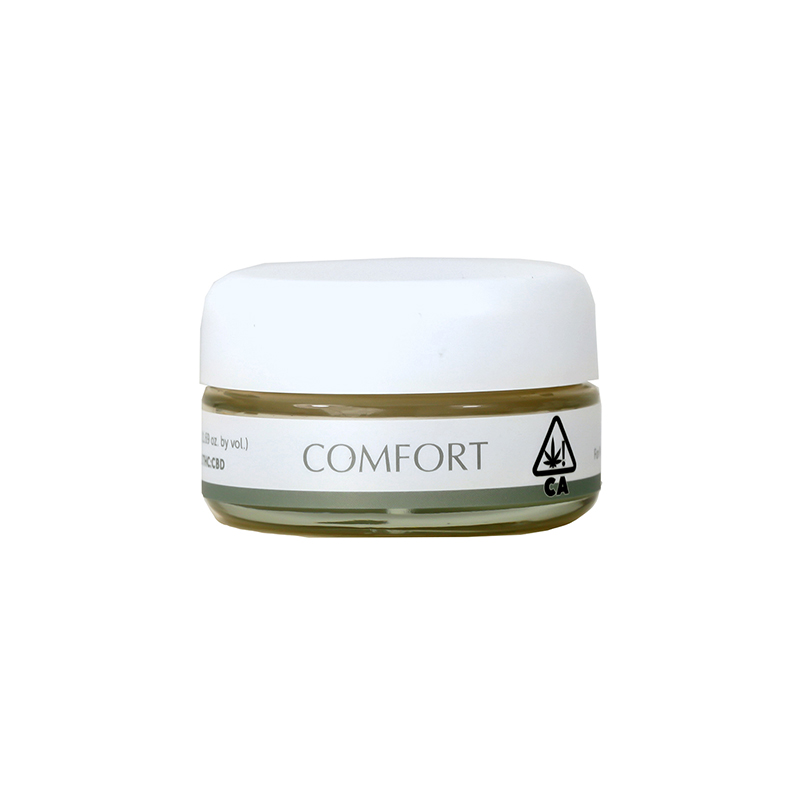
- Comfort Body Butter (Regular Strength)
Ideal for daily winter hydration across hands, arms, legs, and neck. It supports barrier maintenance and prevention during colder months. The balanced THC potency makes it suitable for routine use without overwhelming sensitive areas.
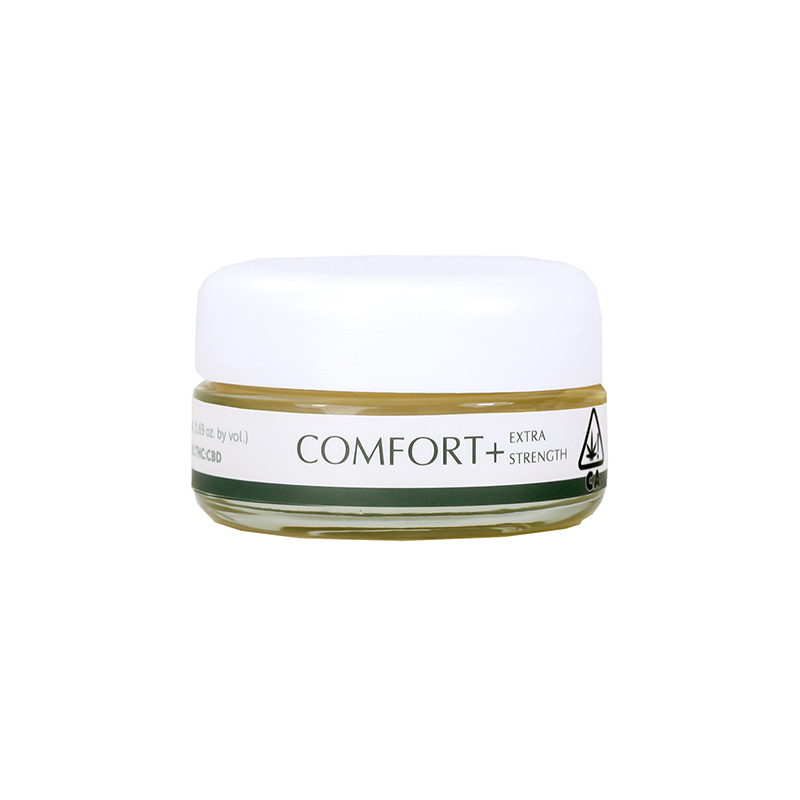
- Comfort+ Extra Strength Body Butter
Well-suited for more severe dryness paired with inflammation. It performs well on arthritic knuckles, cracked heels, and chronically irritated skin. Many customers also use it after winter exercise when cold air and muscle tension overlap.
The Smartest Way to Use Sweet Releaf in Winter
Winter skin responds best to consistency and timing. A high-THC emulsion applied strategically will outperform sporadic, heavy layering. The goal is to support the barrier daily and intervene early when irritation builds.
When to Apply for the Strongest Effect
Application immediately after bathing gives you an advantage. Skin that is slightly damp retains hydration more effectively when sealed with a balanced emulsion. A small amount massaged thoroughly into high-exposure areas allows the aloe and lipid components to integrate with the outer layer before water evaporates.
Evening application is equally useful. Overnight, the skin shifts into repair mode. Applying Sweet Releaf before bed gives cannabinoids extended contact time with local receptors while the barrier restores itself.
Cold outdoor exposure is another strategic window. Applying to hands, knees, or neck before long walks or winter exercise can reduce friction dryness and blunt inflammatory response triggered by wind and low humidity.
Prevention Versus Repair
Daily use at moderate amounts maintains barrier integrity and reduces the likelihood of cracking or flaking later in the season. Once skin becomes visibly irritated, slightly thicker, targeted application may be required for several days.
Waiting until the skin is already compromised usually requires more product and more time. Early application keeps the barrier stable.
How to Get the Best Results
Consistent technique improves performance:
- Apply to clean skin, ideally within minutes of showering
- Use warm water rather than hot to reduce barrier disruption
- Massage thoroughly to increase circulation and enhance absorption
- Focus on friction zones such as knuckles, heels, and shins
- Layer thin applications instead of applying a thick coating at once
For acne-prone areas, apply a light layer and monitor response. The emulsion format absorbs quickly, which reduces the heavy occlusive feel associated with wax-dominant products. Proper distribution and moderate quantity prevent buildup.
You Can’t Change the Weather, Only Your Skincare Routines
Sweet Releaf has always been a heavy-duty product. It lives on nightstands, in gym bags, next to kitchen sinks. People use it after long days outside, after workouts, after surgeries, and increasingly, through the stretch of winter when skin starts to thin out and react to everything.
The pattern is consistent. When the tissue underneath settles down, the surface has a chance to recover. Hydration lasts longer. Skin feels less reactive.
If winter has been hard on your hands, heels, or anywhere that feels tight and irritated, try one of our body butters and use it daily for a couple of weeks. Apply it after a shower and again before bed. Give your skin steady support instead of rotating through heavier creams.
Sweet Releaf products are available in dispensaries all over California. In case you want more information, feel free to get in touch directly.