
Staying active sounds simple until pain becomes part of every movement. What used to feel automatic starts requiring planning, adjustment, and sometimes avoidance altogether. Over time, that shift quietly limits how much the body moves, and with less movement comes more stiffness, more tension, and more discomfort layered on top of what was already there.
Relief at the source changes that pattern. When pain is reduced directly in the areas that restrict movement, the body regains access to motion that once felt out of reach.
High-THC cannabis topicals are designed for exactly this purpose. Applied to the skin, they interact with local cannabinoid receptors tied to inflammation and pain signaling, helping calm the underlying irritation without affecting mental clarity.
Used consistently, they support mobility in a few key ways:
- Ease joint stiffness so movement feels smoother and more controlled
- Reduce localized inflammation that limits range of motion
- Support muscles before activity so movement feels more available
- Calm post-activity soreness so the body recovers without setbacks
- Allow regular daily movement without relying on systemic medications
Sweet Releaf has spent years refining this approach in California, developing high-THC, full-spectrum topicals that focus on real-world pain relief. These formulations are built for people who want to stay active, keep working, and move through their day with less resistance from their bodies.
There’s a way to return to movement that doesn’t involve pushing through pain. It starts by reducing it.

The Viscous Cycle That Keeps You From Moving
Once pain starts influencing how often and how freely the body moves, it tends to set off a chain reaction. It rarely shows up all at once. Instead, it builds gradually, shaping daily habits in ways that feel small at first but carry real consequences over time.
Pain Makes People Avoid Activity
When movement hurts, the body learns quickly. A longer walk gets shortened. A workout gets postponed. Bending, reaching, and lifting start to feel optional rather than routine. These decisions make sense in the moment because they reduce immediate discomfort.
Over time, those small adjustments stack up. Movement becomes less frequent, and everyday activities begin to feel more demanding than they used to. The body adapts to doing less, and what once felt normal starts to feel like effort.
Less Movement Leads to Physical Decline
With reduced activity, the body starts to change. Muscles lose strength when they are not used regularly, especially the stabilizing muscles that support joints during movement. As that support fades, joints begin to carry more load on their own.
At the same time, joints become stiffer. Without regular motion, they lose some of their natural lubrication and flexibility. Range of motion narrows, and movements that once felt smooth can feel restricted or uneven.
Mobility decreases not because the body is incapable, but because it has not been given consistent opportunities to stay active.
Inactivity Makes Pain Worse Over Time
As muscles weaken and joints stiffen, the body becomes less efficient at handling stress. Everyday movements place more strain on areas that are already sensitive. This added strain can increase irritation in tissues and contribute to ongoing inflammation.
Stiffness tends to linger longer, and discomfort becomes more persistent. Instead of pain appearing only during certain activities, it can begin to show up more frequently and with less provocation. What started as occasional discomfort can gradually turn into something that limits movement throughout the day.
This is how the cycle reinforces itself. Pain reduces movement, reduced movement changes the body, and those changes make pain more constant and more limiting.
Using THC Topicals to Reduce Pain and Unlock Movement
Once pain is brought under control at the source, movement becomes accessible again. The goal is not to eliminate every sensation, but to reduce the intensity enough that the body can move freely without hesitation. High-THC topicals create that opening by working directly in the tissues that are holding tension and inflammation.
How THC Topicals Work in the Body
Cannabis contains compounds that interact with a network of receptors found throughout the skin and underlying tissue. When a high-THC topical is applied, it engages with these local receptors and begins to influence how pain and inflammation are processed in that specific area.
- Bind to cannabinoid receptors located in the skin and muscle tissue
- Calm inflammatory responses that contribute to stiffness and swelling
- Reduce pain signaling in the applied area
- Remain localized without entering the bloodstream, so there is no intoxicating effect
This localized action allows for targeted relief where it is needed most, without affecting the rest of the body.
THC Creams Are Great Before Physical Activity
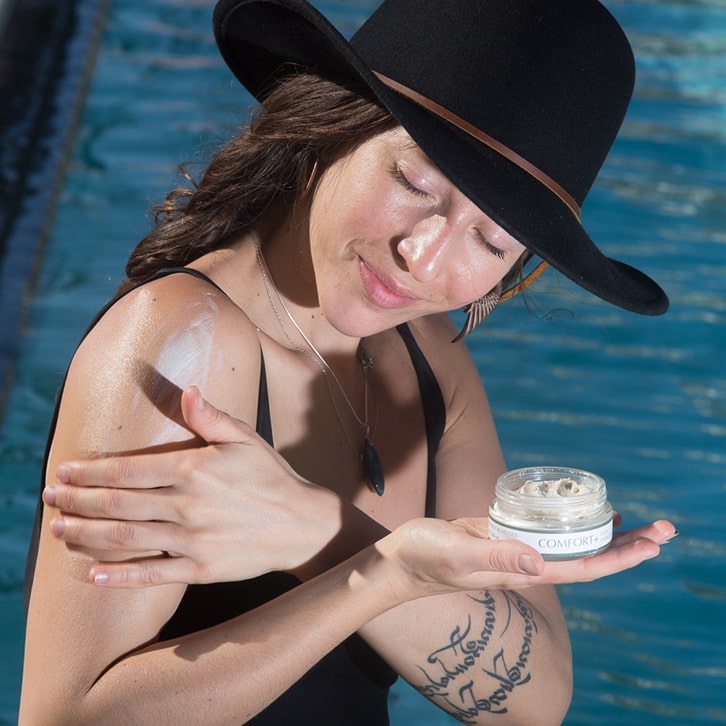
Applying a THC cream before movement prepares the body in a very practical way. Areas that tend to feel tight or resistant begin to loosen, making it easier to move through a fuller range without guarding or compensating.
Joints that once felt restricted can move more smoothly, and muscles become more responsive. Instead of bracing for discomfort, the body is able to settle into the motion. This shift often makes the difference between avoiding activity and actually getting started.
Topicals Help You Recover After Exercise
After movement, the same areas that were just engaged can begin to build up soreness and inflammation. Applying a topical at this stage helps regulate that response so the body can recover without carrying excess tension into the next day.
By calming post-activity irritation, topicals help prevent the kind of flare-ups that interrupt consistency. Recovery becomes more predictable, which makes it easier to return to movement again the following day.
Over time, this steady rhythm of activity and recovery supports lasting improvements in mobility.
How to Gradually Restore Physical Activity
Getting back into movement after pain has taken hold requires a different mindset than traditional fitness advice. The goal isn’t to test limits or chase intensity. It’s to rebuild access to movement in a way the body accepts, adapts to, and eventually relies on again.
Increasing Your Range of Motion First
The first shift happens in how the body moves, not how hard it works. When joints have been stiff and muscles have stayed guarded, asking for intensity too early tends to reinforce discomfort. Expanding range of motion creates a more stable foundation.
This starts with gentle, controlled movement that stays within a comfortable range. Simple actions like slow joint rotations, light stretching, or short walks allow tissues to re-engage without triggering resistance. Over time, these small movements help restore fluidity, allowing joints to glide more freely and muscles to respond without tightening up.
Consistency matters more than duration at this stage. A few minutes of daily movement often produces better results than occasional longer sessions. As the body becomes more familiar with moving again, that range begins to widen naturally, and motions that once felt restricted start to feel available.
Increasing Intensity Without Triggering Pain
Once movement feels more accessible, the next step is to layer in more demand without overwhelming the system. Progression works best when it follows a steady pattern. First, increase how long you move. Then how often. Only after that should intensity begin to rise.
This sequence gives the body time to adapt at each stage. Jumping ahead too quickly often leads to flare-ups, which can undo progress and make movement feel risky again. Staying just below that threshold allows improvement to build without setbacks.
The focus shifts toward repetition and rhythm. Regular movement, even at lower intensity, strengthens muscles, supports joints, and improves tolerance over time. What once required effort begins to feel routine, and the body starts to trust movement again instead of resisting it.
Managing Pain as You Become More Active
As movement starts to return, pain doesn’t disappear overnight. It shifts. It becomes more predictable, more manageable, and less disruptive when it’s handled consistently. This is where a steady approach to pain relief supports progress instead of interrupting it.
Using Topicals Throughout the Activity Cycle
Relief works best when it’s applied in rhythm with how the body moves. Before activity, a topical prepares the area by easing stiffness and reducing resistance, making it easier to step into motion without hesitation.
Movement feels more available, and the body is less likely to guard or compensate.
After activity, the same areas that were engaged benefit from support. Muscles and joints that have been put back to use can build up localized irritation. Applying a topical at this stage helps settle that response, so soreness doesn’t carry over into the next day.
Between those moments, regular use helps maintain a more stable baseline. Instead of waiting for discomfort to build, consistent application keeps inflammation and tension from escalating. The body stays closer to a state where movement remains accessible.
Creating a Sustainable Movement Routine
A routine holds when the body isn’t fighting it. Pairing pain relief with daily movement creates a pattern that feels manageable instead of overwhelming.
Consistency grows from this balance. Activity becomes part of the day again, not something that requires extra effort to begin. With fewer setbacks and more predictable recovery, the body starts to accept movement as normal rather than something to resist.
Pick the Right THC Topical To Support Renewed Activity
Relief either holds up or it doesn’t. That becomes obvious the moment a product is used more than once in a real routine. If the effect fades quickly, requires constant layering, or never quite reaches the level needed, it interrupts progress. A topical meant to support movement needs to deliver a steady, repeatable result without becoming another thing to manage.
Why High-THC Formulas Work Best for Pain
THC drives a stronger response in how the body processes discomfort at the site of application. When the concentration is high enough, the effect is more consistent and less dependent on timing or repeated use throughout the day.
This matters most with ongoing joint stiffness and repetitive strain. Lower-potency products tend to soften sensation briefly, then wear off before the body has fully settled. That drop-off brings the same resistance right back. A higher-THC formula holds its effect longer, allowing movement and recovery to happen without interruption.
Sweet Releaf Creams Are Made Differently
Performance comes down to how the product is built. Sweet Releaf uses high-THC, full-spectrum cannabis, preserving the plant’s complete profile instead of isolating a single compound. That approach creates a broader, more stable effect once applied.
The base is an emulsion, not a wax or oil-heavy salve. That structure allows the cream to absorb efficiently and spread evenly across the area, rather than sitting on the surface. The result is a product that integrates into the skin and performs consistently with repeated use. Every formula is designed with active, real-world use in mind.
Try Sweet Releaf Creams Designed for Active Lifestyles
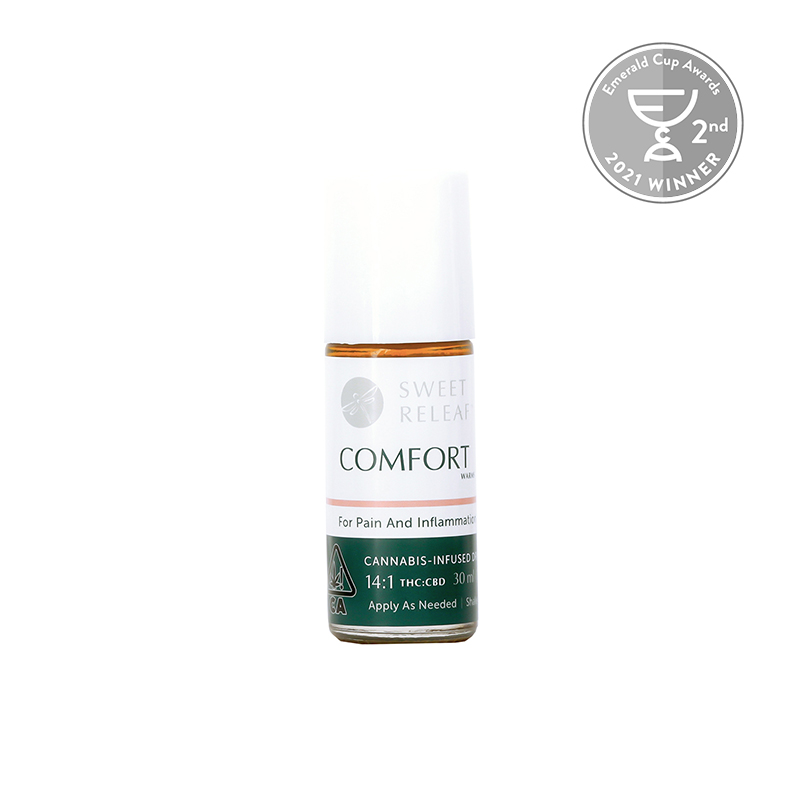
Comfort Warms is built for moments when the body needs to loosen up before movement.
- Ideal before activity
- Helps loosen stiff areas
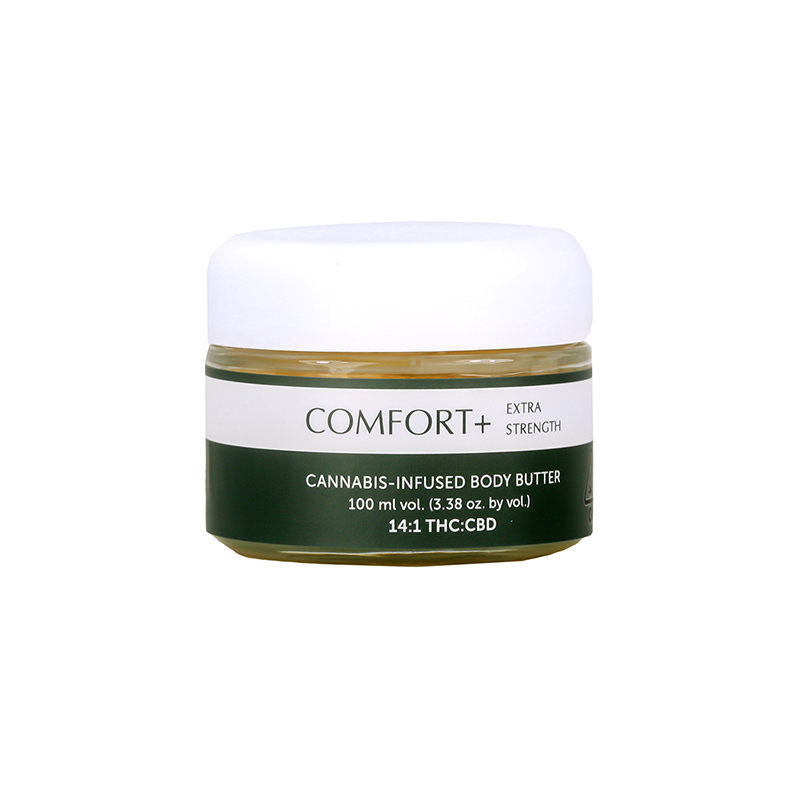
Comfort+ Extra Strength Body Butter provides deeper, longer-lasting support for areas that deal with ongoing strain.
- Ideal for deeper, ongoing pain
- Supports recovery and daily use
Break the Cycle with Plant Healing Power
Getting your mobility back isn’t about waiting for a perfect day where everything suddenly feels good. It starts the moment something hurts less and you decide to use that window. You move a little more, you go a little further, and instead of paying for it later, your body actually keeps up. That’s the shift that changes everything.
Progress doesn’t need to be dramatic to be real. It shows up in how easily you get out of a chair, how far you walk without thinking about it, how your body responds the next morning. When pain stops running the show, movement becomes something you can build on instead of recover from.
Sweet Releaf gives you that edge you need to keep pushing day after day.
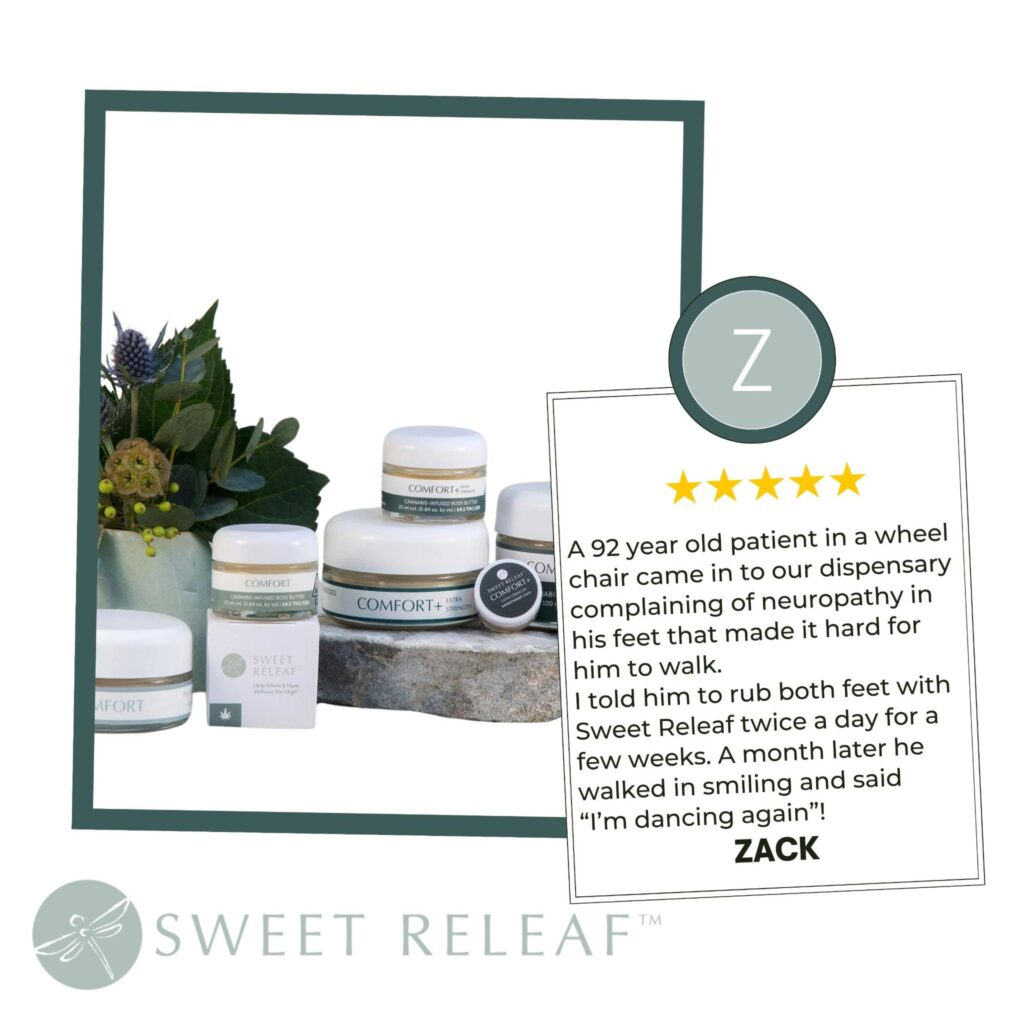
Don’t take our word for it. Ask for our creams in your local California dispensary and try how much easier they make it to move.