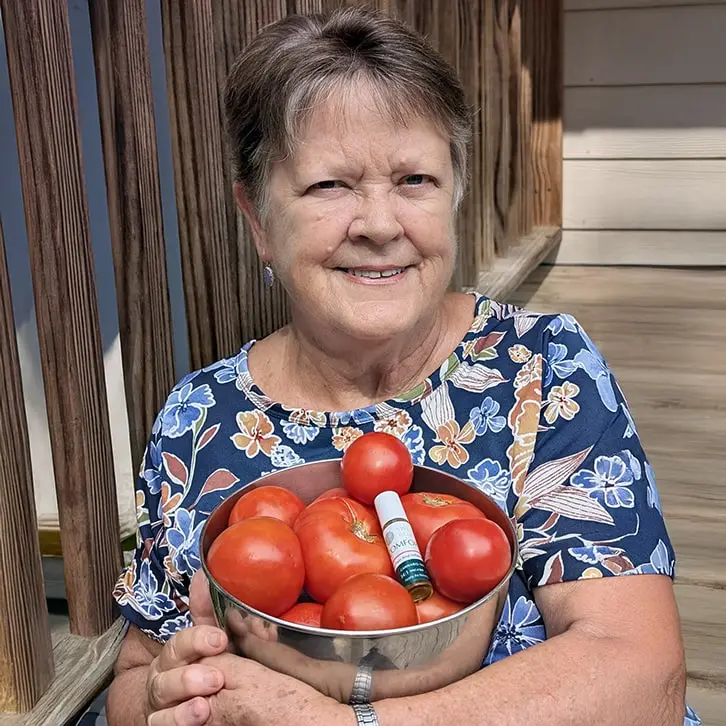
THC topicals may help calm psoriasis by reducing inflammation, itch, and discomfort, without getting you high.
Evidence is early but promising, especially for those who’ve found CBD creams ineffective. The right formula can hydrate, soothe, and support skin recovery.
If you’re exploring cannabis-based skin care for psoriasis, you probably have a lot of questions and maybe a few worries.
Here’s how THC topicals could differ for your situation:
- Psoriasis sufferers seeking non-steroidal relief – May ease flares without the skin thinning or rebound risk of steroids.
- People wanting non-psychoactive cannabis options – Non-transdermal formulas work locally without causing a high.
- Those avoiding oral medication side effects – Targets skin directly, bypassing the digestive system.
- Individuals dissatisfied with CBD-only creams – High-THC blends may deliver stronger anti-inflammatory effects.
- Older adults with both psoriasis and joint pain – Can soothe plaques and ease psoriatic arthritis discomfort together.
You might be wondering: Will it get me high? Is it even legal? Will it actually work? Could it irritate my skin? Is it safe for long-term use? We’ll answer all of these and more, plus share real-world tips for getting results.
We’ve developed THC-rich, non-psychoactive topicals like Comfort+ Extra Strength Body Butter and our targeted Comfort Warms/Cools Roll-ons, crafted for deep penetration, itch reduction, and skin hydration without greasy residue.
They’re designed for people who want genuine relief when CBD alone hasn’t been enough.
If you’re ready to see how THC topicals can fit into your psoriasis care, keep reading.
Below, we’ll explore the science, user experiences, application tips, and how to choose the safest, most effective formula for your needs.
Why People Are Searching for Cannabis Skin Solutions
For many living with psoriasis, the standard options come with trade-offs:
- Steroids can thin skin over time and sometimes cause rebound flares when you stop using them.
- Biologics can be effective but involve injections, ongoing monitoring, and potential immune system suppression.
- CBD-only creams often underdeliver, especially for those with stubborn plaques or accompanying joint pain.
Psoriasis is not only a skin problem but a chronic inflammatory and immune condition.
That’s why researchers and patients alike are looking at cannabinoids, including THC, for their potential to calm overactive immune responses, reduce keratinocyte overgrowth, and soothe persistent itch.
We also know you have questions and concerns:
- Will it get me high? Not with non-transdermal THC topicals, they act locally on the skin.
- Is it legal? This depends on where you live, but many states allow non-psychoactive cannabis topicals even if other forms remain restricted.
- Could it irritate my skin? Most people tolerate them well, but patch testing is wise, especially for terpene-rich blends.
- Is it safe long-term? Current data and real-world use suggest they’re non-addictive, organ-safe, and suitable for ongoing use.
THC topicals are gaining attention because they can bridge the gap between “doesn’t work” and “works but with side effects.”
They offer the possibility of targeted relief, without compromising your daily life.
How THC Topicals Work on Psoriatic Skin

The Endocannabinoid System and Skin Balance
Your skin is not only a passive barrier; it’s home to a network called the endocannabinoid system (ECS), which includes CB1 and CB2 receptors in skin cells, immune cells, and even nerve endings.
In psoriasis, these systems can become overactive, leading to:
- Rapid keratinocyte overgrowth, which causes the thick, scaly plaques
- Chronic inflammation from immune cell overdrive
- Persistent itch signals that keep the scratch-flare cycle going
THC, when applied topically, can interact with CB1 and CB2 receptors in the skin’s outer layers.
Early research suggests this may help:
- Slow keratinocyte overproduction, reducing plaque thickness
- Lower inflammatory signals (like TNF-α and IFN-γ)
- Calm itch and burning sensations by modulating nerve endings
Non-Psychoactive Mechanism
Here’s the key difference between a THC topical and inhaling or ingesting cannabis:
- Non-transdermal formulas do not cross into your bloodstream in amounts that can cause intoxication.
- The cannabinoids act locally at the site of application, binding to receptors in your skin instead of affecting your brain.
This also means:
- No high; you can use them and go about your day
- Low to no risk of failing a drug test, since cannabinoids don’t enter circulation in meaningful amounts
- Peace of mind for those who work in regulated industries or care for children
THC topicals give you the plant’s benefits exactly where you need them, without changing how you feel mentally.
Helpful Resources => Does THC Help Inflammation? Science & Relief Guide
Evidence So Far: What Science and Users Say
Clinical & Preclinical Insights
While large-scale clinical trials are still limited, both lab studies and smaller case reports point toward real potential for THC and other cannabinoids in psoriasis care:
- Anti-inflammatory action – Cannabinoids can reduce overactive immune signaling, lowering levels of inflammatory cytokines linked to psoriasis flares.
- Anti-proliferative effects – In cell culture, THC and CBD slow down the rapid overproduction of keratinocytes that causes plaques.
- Case reports – In one documented example, a patient using THC-infused cream, soap, and hair oil saw visible improvement in plaques within two days, with benefits maintained for months.
- Combination potential – Formulas blending cannabinoids with other skin-supportive ingredients (like ketoconazole for scalp psoriasis) have shown added benefits in early trials.
Real-World Results from Psoriasis Sufferers
Scientific data is promising, but it’s the lived experiences that often convince people to try something new:
- Many users describe significant itch relief, softer plaques, and reduced redness within days of switching from CBD-only products to THC-forward formulas. Some also note less nighttime itch, helping them sleep better.
- From Sweet Releaf customers – Testimonials highlight skin calming within minutes, deeper hydration from aloe-based emulsions, and a bonus benefit: joint pain relief in areas affected by psoriatic arthritis.
- Practical wins – Customers appreciate non-greasy absorption, targeted roll-ons for hard-to-reach spots (like along the hairline), and the “double-application hack” for stubborn plaques.

Together, the research and real-world stories paint a picture of THC topicals as a safe, potentially more effective alternative for people who have not found relief with standard treatments or CBD alone.
Choosing the Right THC Topical for Psoriasis
Potency and Cannabinoid Profile
When it comes to psoriasis, not all cannabis topicals are created equal. Many people find CBD-only creams underwhelming, especially for stubborn plaques.
High-THC, full-spectrum formulas may offer more noticeable relief by engaging more of the skin’s cannabinoid receptors and delivering the “entourage effect” of multiple plant compounds working together.
THC: CBD ratio matters, too:
- Higher THC – Often more effective for rapid itch and inflammation reduction.
- Balanced THC: CBD – May offer a gentler, sustained effect, with CBD supporting anti-inflammatory action while THC tackles discomfort and overactive skin cells.
Base Formula Matters
The base determines how well cannabinoids penetrate the skin. Aloe-oil emulsions absorb deeply, spreading evenly without feeling greasy, ideal for daily use and larger areas.
Greasy salves, on the other hand, can sit on the surface, making them less effective for deeper tissue or joint relief.
Essential oils can also add targeted benefits:
- Menthol for cooling the itch
- Frankincense for calming inflammation
- Warming herbs to boost circulation in cold, stiff joints
Pro Tip: Always patch-test new products, especially terpene-rich blends, to check for sensitivities before applying to larger areas.
Delivery Formats
Your choice depends on where and how you need relief:
- Body butters – Perfect for covering large plaques, elbows, knees, or combined skin-and-joint pain zones.
- Roll-ons – Great for precision application along the scalp line, behind ears, or other hard-to-reach spots without making hair oily.
Sweet Releaf’s Comfort+ Extra Strength Body Butter and targeted Comfort Warms/Cools Roll-ons are designed with these principles in mind, pairing high THC content with aloe-based emulsion for deep penetration and real relief.
Application Tips for Maximum Effect
Getting the most out of your THC topical is not only about what’s in the jar, it’s about how you use it.
- Massage in twice daily (or more during flares)
Consistent application keeps cannabinoids active in the skin’s outer layers, helping maintain reduced inflammation and itch over time. Increase frequency during flare-ups for faster relief. - Try the double-application hack
For stubborn plaques or deeply inflamed spots, apply a thin layer, wait about 15 minutes, then reapply. This second pass can help push cannabinoids deeper and extend the relief window. - Pair with moisturizers or barrier creams
If your skin is extra dry, use a bland emollient (like plain shea butter or ceramide cream) alongside your THC topical. This locks in hydration and supports the skin barrier while cannabinoids work on inflammation. - Time it with other treatments
If you’re also using prescription creams, apply your THC topical after a bland emollient and away from the timing of steroid application. This prevents ingredient interference and maximizes each product’s effect.
With the right technique, a well-formulated THC topical can do beyond take the edge off, it can help break the flare-scratch-flare cycle and keep skin calmer between outbreaks.
Safety, Legality, and Long-Term Use
Psychoactive vs. non-psychoactive
Not all THC products alter your state of mind. Non-transdermal THC topicals work locally on the skin and do not enter the bloodstream in amounts that can cause a high.
They’re designed for targeted relief, not intoxication, so you can use them any time of day without affecting your mental clarity.
U.S. and state-level legality differences
In many states, non-psychoactive cannabis topicals are legal even where other THC products remain restricted. However, laws vary widely, some require medical cannabis program enrollment, while others allow over-the-counter purchase. Always check your state’s regulations before buying or traveling with THC products.
Skin sensitivity and patch testing
While most people tolerate THC topicals well, any new skincare product can cause irritation, especially terpene-rich or essential-oil-infused blends.
Apply a small amount to an unaffected area first and wait 24 hours before wider use.
Long-term use
Unlike systemic treatments, THC topicals are non-addictive, do not cause organ toxicity, and are generally safe for ongoing application.
This makes them appealing for people managing chronic conditions like psoriasis, where symptom control is a long-term commitment.
Used correctly, THC topicals can be a safe, sustainable part of your skin care plan, providing consistent relief without the risks that often come with oral or systemic treatments.
Taking the Next Step, Trying THC Topicals Safely
Source high-quality, lab-tested products
Look for clear cannabinoid content on the label, certificates of analysis (COAs) from third-party labs, and ingredient lists free of harmful preservatives.
Products should specify THC and CBD amounts in milligrams, not only percentages, so you know exactly what you’re applying.
Start small and track changes
Begin with a patch test on a small area, then apply to affected spots once or twice daily. Keep notes on changes in redness, itching, flaking, and comfort over 1-2 weeks.
This helps you identify whether the product is making a real difference.
Integrate into a broader care plan
THC topicals work best as part of a consistent psoriasis management strategy. Pair them with gentle skincare, hydration, stress-reduction practices, and any prescribed treatments your dermatologist recommends.
They can complement, not replace, standard medical care.
Taking a careful, informed approach ensures you get the benefits of THC topicals without unnecessary risks, setting you up for better skin comfort and confidence over time.
Sweet Releaf’s Approach to Psoriasis Relief
We design our topicals for people who’ve tried the usual options and need something that truly works, without the high, the harsh side effects, or the greasy residue.
- Comfort+ Extra Strength Body Butter – A high-THC, aloe-based emulsion that penetrates deeply to calm plaques, hydrate skin, and ease underlying joint discomfort common in psoriatic arthritis.
- Comfort Warms/Cools Roll-ons – Precision applicators that target itchy or “hot” inflamed plaques, perfect for spot treatment or scalp-line application without mess.
Every formula starts with whole-plant trichomes for a richer cannabinoid and terpene profile, delivering the entourage effect that isolated CBD or THC alone can’t match.
They’re non-psychoactive, cruelty-free, and made without harmful preservatives, so you can feel confident about what you’re putting on your skin.
We offer multiple sizes and sample options so you can try our products risk-free and see how they fit into your daily care routine.
For many customers, the first application is all it takes to notice a difference in comfort, hydration, and confidence.
Experience the Difference
Many of our customers came to us after trying CBD creams that barely made a dent in their symptoms.
Once they switched to THC-rich, non-psychoactive topicals, they discovered what real relief feels like, calmer skin, less itch, and the confidence to go about their day without discomfort.
If you’re ready to see what a targeted, high-THC formula can do for your psoriasis, explore our Comfort+ collection and find the option that fits your needs, whether it’s all-over hydration, pinpoint itch relief, or support for both skin and joint comfort.
Bring real comfort back to your skin, without the high.
Common Questions Answered
What is the very best cream for psoriasis?
The most effective psoriasis creams balance potency, a full-spectrum cannabinoid profile, and an absorption-friendly base.
Sweet Releaf’s Comfort+ Extra Strength Body Butter checks all three boxes: high-THC, whole-plant infusion for stronger anti-inflammatory action, aloe-oil emulsion for deep penetration, and a formula designed for both skin and joint relief.
Can THC be applied topically?
Yes. In non-transdermal form, THC can be applied directly to the skin where it acts locally on cannabinoid receptors without entering the bloodstream in amounts that cause psychoactive effects.
That means targeted relief without the high.
Can you rub CBD oil on psoriasis?
You can, but results vary. Many people find CBD-only products offer minimal improvement for stubborn plaques.
THC-inclusive, full-spectrum blends often deliver more noticeable itch reduction and skin calming by activating more of the endocannabinoid system.
Does THC help with skin inflammation?
Research and user reports suggest THC can:
- Suppress inflammatory cytokines (like TNF-α and IFN-γ)
- Reduce oxidative stress in skin cells
- Support barrier repair, improving hydration and resilience
These effects make THC topicals a promising option for managing the redness, swelling, and irritation that come with psoriasis.