High-THC cannabis creams can provide localized pain relief by interacting with CB1 and CB2 receptors in the skin. They do not enter the bloodstream in significant amounts and do not cause intoxication. Effectiveness depends on THC concentration and formulation.
THC-Based Topicals Are For Real
Plenty of people have tried a CBD cream, waited patiently, and felt absolutely nothing. That experience shapes the entire conversation. Some formulas carry very low cannabinoid content. Others rely on heavy waxes and oils that sit on the surface of the skin.
A label can promise relief, yet chemistry decides whether anything meaningful happens.
Uneven results come down to composition. A properly formulated topical has to move cannabinoids through the outer skin barrier and into the tissues where CB1 and CB2 receptors are active. When that alignment is there, the effect is measurable and often fast.
High-THC topicals are commonly used for:
- Arthritis-related joint discomfort
- Chronic neck and back tension
- Post-workout inflammation
- Neuropathic discomfort
- Scar massage and post-surgical tissue tightness
- Fibromyalgia-related pain
- Muscle cramps and stiffness
Sweet Releaf was built around this principle. We manufacture high-THC, whole-plant, emulsion-based creams designed specifically for pain relief. The focus has always been potency, clean formulation, and reliable absorption. Every batch reflects years of refinement in how cannabis interacts with the body through the skin.
This article breaks down why CBD-only creams often underperform, how THC works locally at receptor level, and what makes a topical penetrate instead of linger on the surface.
THC vs. CBD Creams: Potency Changes Outcomes
People often group all cannabis creams together, then decide the entire category works or does not work based on one jar. THC and CBD behave differently in the body, and those differences show up clearly when applied through the skin.
How Cannabinoids Work in the Skin
Human skin contains CB1 and CB2 receptors distributed through nerve endings, fascia, and immune cells. When a standard cream is applied, cannabinoids interact with those local receptors rather than circulating through the bloodstream.
The effect stays concentrated in the tissue where it is placed.
Because these creams are not designed to enter systemic circulation, they do not produce intoxication. The cannabinoids remain in peripheral layers instead of reaching the brain. Concerns about getting high from a properly formulated topical are largely unfounded. Drug test anxiety follows the same logic. Non-transdermal creams are not built to deliver cannabinoids into blood in measurable quantities.
The Difference Between CBD-Dominant and High-THC Formulas
CBD is widely recognized for moderating inflammation and calming irritated tissue. It plays a regulatory role in immune signaling and offers mild analgesic support for many users. For surface irritation and minor inflammatory discomfort, it can be helpful.
THC interacts more directly with pain signaling pathways through CB1 receptor activity. That interaction tends to produce a more noticeable reduction in localized pain, particularly in chronic or nerve-related conditions.
Full-spectrum extracts add depth by including multiple cannabinoids and aromatic compounds that influence how the skin responds.
Label numbers alone do not guarantee performance. Milligram counts printed on packaging may look impressive while delivering minimal active interaction in tissue.
Some dispensary creams feel weak because concentration and skin delivery are poorly aligned, leaving users convinced that cannabis topicals as a whole fall short.
What Topically Applied THC Does Well
THC delivers tangible benefits in specific, well-defined areas. It interacts with real biological systems that regulate pain, inflammation, and tissue repair.
It also has limits. Knowing where it performs best helps set realistic expectations and prevents the kind of disappointment that comes from using the wrong product for the wrong purpose.
Targeted Pain Relief
THC binds primarily to CB1 receptors that influence pain signaling. These receptors are present in peripheral nerve endings throughout the skin and underlying tissue. When THC is applied topically in sufficient concentration, it engages those local receptors directly.
This interaction can reduce the intensity of pain signals before they amplify and travel deeper into the central nervous system. The effect stays localized to the area of application.
People dealing with chronic joint pain or neuropathic discomfort often notice that higher-THC formulations produce a clearer response than low-dose creams.
Skepticism usually traces back to an earlier experience with a product that carried minimal THC. If receptor engagement is too weak, the result feels negligible. That does not mean the mechanism failed. It means the dose never meaningfully activated the system in the first place.

Muscle Relaxation
Muscle tension often follows inflammation or repetitive strain. THC influences neuromuscular signaling in peripheral tissue, which can ease localized tightness.
When combined with deliberate massage, the cream distributes more evenly and penetrates more effectively into fascia and muscle layers.
Users frequently describe a softening of tight areas within minutes when the formulation contains adequate THC. This is different from the cooling or warming sensation produced by menthol or camphor. Those ingredients stimulate surface nerve receptors and create a temperature illusion. THC works at receptor level within the tissue itself, addressing signaling rather than masking sensation.
Anti-Inflammatory Impact
CB2 receptors are found in immune cells embedded in skin and connective tissue. THC interacts with these receptors and influences inflammatory signaling pathways. Local application may reduce swelling and irritation in joints and soft tissue that have been overworked or injured.
This activity remains localized. It does not suppress the immune system throughout the body. The modulation occurs where the cream is applied, supporting balance within that specific area.
Skin Regeneration and Tissue Support
The skin has its own endocannabinoid network that interacts with keratinocytes and fibroblasts, the cells responsible for maintaining structure, elasticity, and surface integrity. These cells play a central role in how skin renews itself after stress, injury, or surgical procedures.
When THC is applied topically, it engages locally with this system in the exact area where support is needed.
High-THC creams are often incorporated into scar massage routines because softened, well-hydrated tissue responds better to mechanical manipulation. Over time, consistent application can help improve suppleness and comfort in areas that feel tight or restricted.
Post-surgical care frequently involves dryness, stiffness, and sensitivity around incision sites. A properly formulated THC topical can provide localized comfort while supporting the skin’s natural renewal process.

Formulation Determines Whether a Topical Works
In cannabis manufacturing, formulation is where the real work happens. Anyone can blend oil and cannabinoids together. Fewer people are willing to wrestle with temperature curves, shear forces, and stability issues that determine whether a cream actually integrates with the skin.
When cannabis became legal in California, many products were rushed to market. Some were scaled for ease of production. Some were built around ingredients that were simple to mix and stable on shelves. Very few were engineered around how human tissue actually absorbs fat-soluble compounds.
Sweet Releaf chose the harder path. Emulsions require precision. Oil and water resist each other by nature. Getting them to cooperate in a stable, smooth structure demands controlled heating, high-shear blending, and careful ingredient selection.
The result is a cream that behaves differently the moment it touches skin.
Why Oil-Based Salves Often Fall Short
Traditional salves are typically made from oils thickened with beeswax or other waxes. That structure creates a dense barrier across the surface of the skin. While it may feel protective, it can slow the movement of active compounds into deeper layers.
A heavy, greasy texture is sometimes mistaken for strength. In reality, residue does not equal penetration. When cannabinoids remain trapped in a wax layer, receptor interaction stays limited.
Some products rely heavily on menthol or similar compounds to create a cooling or heating sensation. That stimulation activates surface nerve endings and can temporarily distract from discomfort. It does not reflect meaningful cannabinoid engagement in deeper tissue.
Why Emulsion-Based Creams Absorb Better
An emulsion combines oil and water into a unified, smooth and flexible structure. This allows cannabinoids, which are oil-soluble, to disperse more evenly while water components help the formula integrate with skin more efficiently.
The result is faster dermal penetration and more consistent distribution across the application area. Cannabinoids reach local receptors with greater reliability. The texture absorbs cleanly rather than lingering on the surface.
Sweet Releaf produces high-THC, whole-plant emulsions rather than relying on isolated distillates. Whole-plant extracts retain a broader range of plant compounds. The body butter format reflects years of refinement in achieving stable emulsions that feel smooth, absorb quickly, and deliver concentrated THC where it is needed.
Try These Sweet Releaf Products Today!
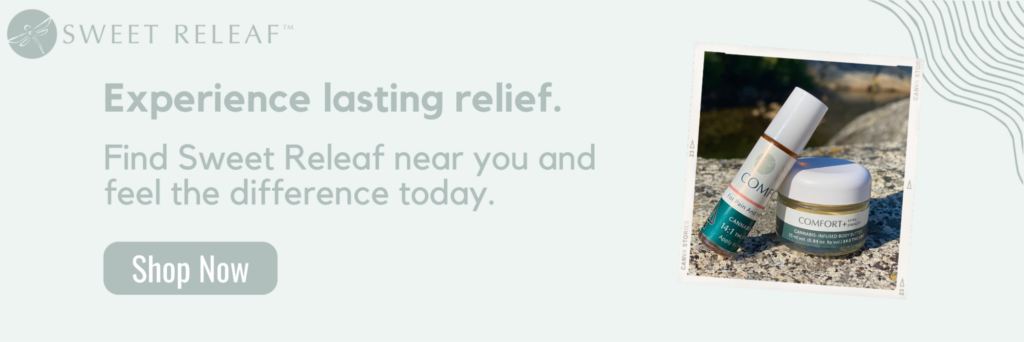
- Comfort Body Butter
A balanced, full-spectrum daily-use cream designed for ongoing muscle and joint support with a smooth, fast-absorbing texture.

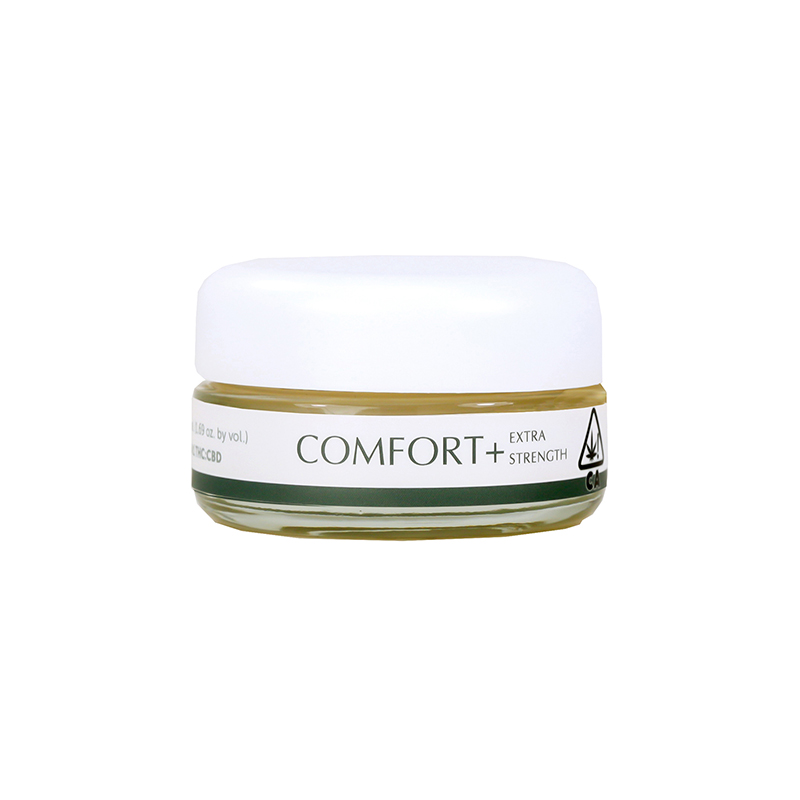
- Comfort+ Extra Strength Body Butter
A higher-THC formulation intended for chronic or persistent pain areas that require stronger localized engagement.
Short-Term Relief vs. Long-Term Healing
A well-made THC topical can shift how a body feels within minutes. That does not mean it rebuilds tissue overnight or replaces disciplined recovery work. It plays a defined role. Used intelligently, it supports both immediate comfort and steadier progress over time.
Immediate Effects You Can Expect
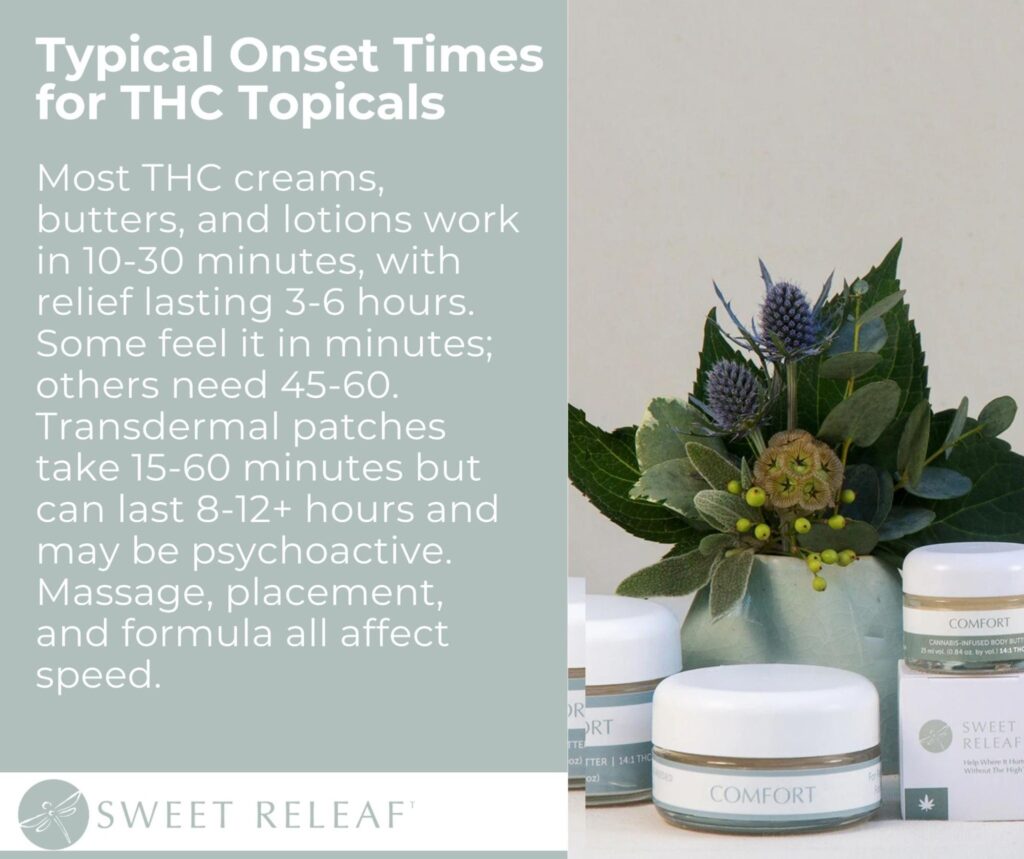
Many users describe noticeable relief within ten to twenty minutes of application when the cream is applied directly to the area of discomfort. The timing reflects localized receptor interaction rather than systemic circulation. The sensation is usually described as a softening of intensity rather than total numbness.
Massage improves results. Working the cream firmly into the target tissue increases contact with fascia and muscle layers. Heat from the hands and mechanical pressure assist distribution across the application site.
The experience is active rather than passive. A quick swipe across the surface rarely produces the same outcome as thorough, careful application.
Short-term relief creates a window. That window often makes movement more comfortable, which has larger implications for recovery.
What Happens with Ongoing Use
Repeated application can reduce recurring pain spikes for some individuals. When discomfort is better managed, people tend to move more consistently. Movement stimulates circulation, maintains joint mobility, and supports muscular balance. Reduced guarding behavior alone can ease strain patterns that contribute to chronic discomfort.
Keep in mind that THC topicals are not a replacement for structured rehabilitation. They do not substitute for physical therapy, corrective exercise, or medical supervision when those are indicated. They serve merely as supportive tools that improve daily function and make participation in those therapies more realistic.
Safe, Non-Addictive Support
Topical THC remains localized in tissue and does not produce psychoactive intoxication when used as a standard cream. It does not place stress on the liver or kidneys in the way long-term NSAID use can. It does not create a dependency cycle associated with opioid medications.
- No intoxicating effect when properly formulated
- No systemic organ burden typical of oral pain relievers
- No escalating dosage cycle driven by tolerance in the same way as narcotics
- Compatible with daily responsibilities such as driving, working, and parenting
You Body Will Know What Works
There’s a difference between trying a product and actually testing one. Rubbing something on once and hoping for magic rarely tells you much. Applying it with intention, on tissue that needs support, over a few days, usually does.
Pain changes how people live. It keeps you from doing stuff you love such as gardening, climbing, playing music, holding grandchildren. When a topical helps restore even a piece of that capacity, it definitely works.
You don’t need to believe in cannabis. You just need to pay attention to how your body responds and you will have your answer..
If you’re curious, explore Sweet Releaf’s products, see how they’re made, and find a dispensary that carries them. Then let your own experience settle the question.