
Cannabis works in the body for a very simple reason. Human biology already has receptors and signaling systems designed to interact with molecules very similar to the ones found in this plant.
When researchers uncovered the endocannabinoid system in the early 1990s, they realized something fascinating. Cannabis did not force the body into a strange reaction. It tapped into a system that had been quietly regulating balance all along.
This system runs through much of the body’s daily activity. It helps cells communicate, adjust to stress, and respond when tissues become irritated or overworked.
A few quick facts make the picture clearer:
- The ECS helps regulate pain, inflammation, mood, sleep, appetite, and memory
- It includes receptors called CB1 and CB2, signaling molecules known as endocannabinoids, and enzymes that control how long those signals stay active
- ECS activity appears throughout the body, including in connective tissue, immune cells, nerve pathways, and the skin
That biology guides everything Sweet Releaf makes. Our family started developing cannabis topicals because people needed real relief that still allowed them to think clearly, work, and stay active. The goal has always been simple. Use cannabis in a way that supports the body while leaving the mind steady.

Let’s break down what the ECS is, how cannabis plugs into it, and why topicals can be such a practical way to use it.
The Endocannabinoid System: Why Does It Exist?
The endocannabinoid system is a cellular communication network that regulates how strongly certain biological processes are expressed, particularly in the nervous and immune systems.
Its primary biological role is to adjust the intensity and duration of those responses.
Neurons, immune cells, and metabolic tissues constantly send chemical messages that control how the body reacts to stress, injury, or environmental change.
Some of those signals can escalate quickly. Pain pathways can amplify. Immune cells can release waves of inflammatory molecules. Stress circuits in the brain can remain active longer than needed. The ECS evolved as a way to keep those responses within workable limits.
Scientists often describe the outcome of that regulation as homeostasis, which simply means maintaining stable internal conditions. The ECS contributes to that stability by adjusting communication between cells.
Research shows ECS signaling influences several key physiological functions:
- pain perception and nerve sensitivity
- immune activity and inflammatory signaling
- mood regulation and stress responses
- sleep and circadian rhythms
- appetite and metabolic balance
- learning and memory processing
Much of this regulation happens through a process called retrograde signaling. A receiving neuron releases endocannabinoids that travel backward across a synapse and bind to cannabinoid receptors on the sending neuron. That interaction changes how much neurotransmitter is released.
From an evolutionary perspective, this kind of feedback system makes sense.
Organisms survive better when biological responses remain proportional to the situation. The ECS helps ensure that stress responses, immune reactions, and neural activity stay within ranges the body can handle.
What the ECS Consists of
The endocannabinoid system is not a single organ. It is a distributed biological network that appears in many tissues throughout the body. What holds it together is a specific set of molecular parts that interact with one another in a consistent way.
These parts allow cells to adjust communication when neural activity, immune responses, or metabolic processes begin to move outside normal operating ranges.
The Players: Receptors, Messengers, and Enzymes
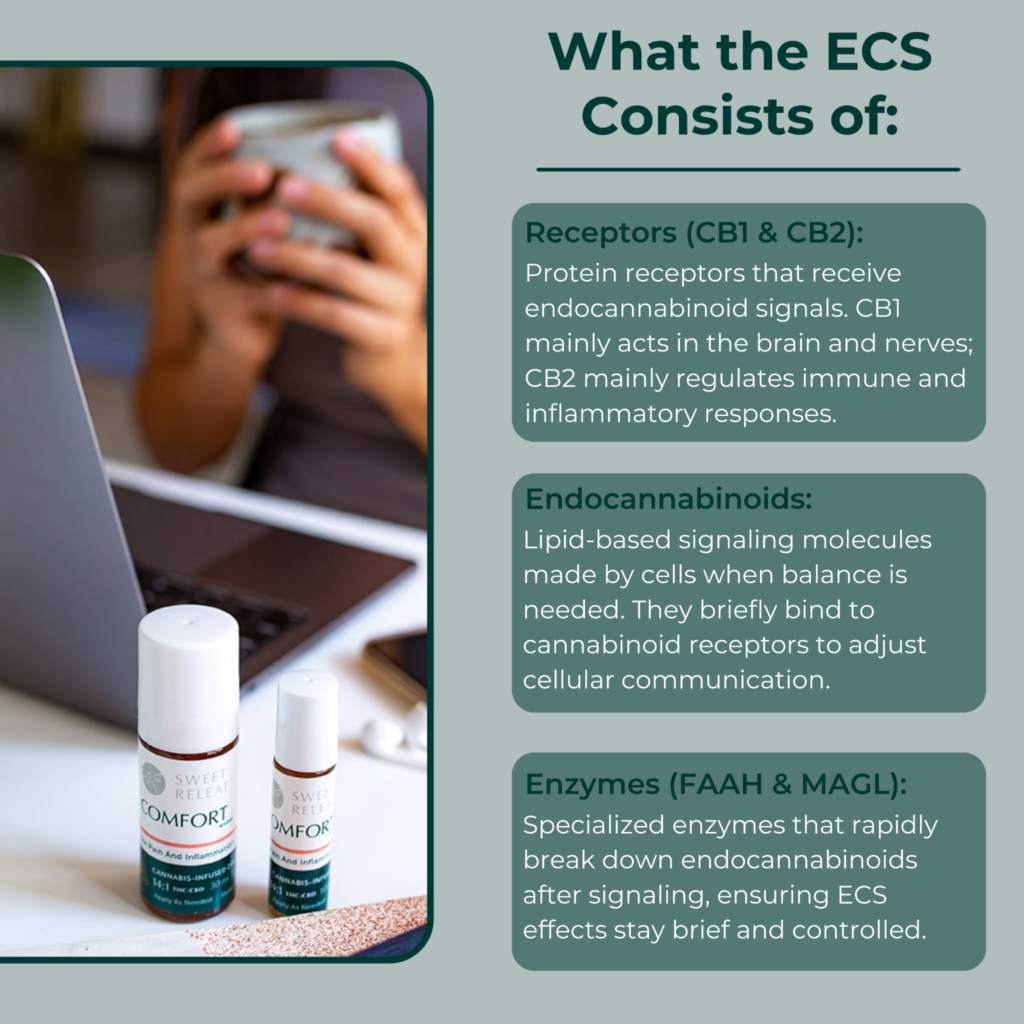
Cannabinoid receptors form the entry points of the system. Two receptors dominate the conversation: CB1 and CB2.
CB1 receptors appear in high concentrations in the brain and throughout the nervous system. Their activity influences how neurons release neurotransmitters and how strongly certain signals travel across synapses. CB2 receptors occur more frequently in immune cells and peripheral tissues, where they help regulate inflammatory activity and immune responses.
The messengers in this system are the endocannabinoids themselves. Cells produce these lipid-based molecules when a regulatory adjustment is needed. Once released, they bind to nearby cannabinoid receptors and modify cellular activity.
Enzymes complete the cycle. FAAH and MAGL break down endocannabinoids shortly after they activate receptors. This rapid degradation ensures that ECS adjustments remain brief and tightly controlled.
Where the ECS Shows Up in the Body
Cannabinoid receptors appear throughout the body rather than being confined to one region.
CB1 receptors dominate in the brain and nervous system, where they influence neural communication and synaptic transmission. CB2 receptors appear more often in immune tissues and peripheral organs that coordinate inflammatory responses.
Researchers have also identified ECS activity in connective tissue, metabolic organs, and the digestive tract. Cannabinoid receptors are present in skin cells and local nerve endings as well.
This distribution explains why topical cannabinoids can interact directly with tissues close to the surface of the body.
Phytocannabinoids vs. Endocannabinoids: Same Receptors, Different Sources
Once you see how the endocannabinoid system operates, cannabis begins to make more biological sense. The body already produces its own cannabinoid molecules, and those molecules interact with a specific set of receptors that regulate neural and immune activity.
Endocannabinoids: What Your Body Makes
Endocannabinoids are molecules produced naturally by the body whenever a regulatory adjustment is needed. The two most studied examples are anandamide and 2-arachidonoylglycerol, usually shortened to 2-AG. These compounds bind to cannabinoid receptors and briefly change how cells behave.
Unlike many signaling molecules that are stored and released in batches, endocannabinoids are produced on demand. A cell synthesizes them only when conditions call for a quick adjustment. Once they activate nearby receptors, enzymes break them down quickly so the signal does not linger longer than necessary.
Researchers have observed endocannabinoid activity during several everyday physiological shifts. Physical exercise can increase anandamide levels. Changes in stress chemistry can trigger endocannabinoid release in parts of the brain that regulate emotional response.
Recovery processes after injury or inflammation also involve ECS activity as tissues return to baseline function.
Phytocannabinoids: What’s In the Plant
Cannabis produces its own family of cannabinoids, known as phytocannabinoids. The two most widely studied are THC and CBD. These plant molecules interact with the same receptor network that responds to endocannabinoids.
THC binds directly to cannabinoid receptors and can strongly influence CB1 pathways in the nervous system. CBD interacts with the ECS in a more indirect way. It affects how receptors respond to signals and can influence several related biochemical pathways.
The Key Point: They Talk to the Same System
The essential connection is straightforward. Both endocannabinoids and phytocannabinoids interact with the same receptor network. That shared biology explains why cannabis can influence pain perception, inflammation, mood, and other processes connected to ECS activity.
Occasionally someone consumes more THC than their system handles comfortably and experiences racing thoughts or anxiety. In those moments the ECS is still doing its job. The receptors are responding to a strong signal arriving too quickly or in a dose that overwhelms the body’s normal regulatory range.

H2: Why the Medical Benefits of Cannabis Depend on the ECS
The medical effects of cannabis trace back to one place: the endocannabinoid system.
Pain provides a clear example. Cannabinoid receptors appear along nerve pathways that carry pain signals to the brain. When those receptors activate, they can reduce how strongly those signals travel through the nervous system. The result is a change in pain sensitivity rather than the complete shutdown of nerve activity.
Inflammation follows a similar pattern. CB2 receptors appear frequently in immune tissues and peripheral cells involved in inflammatory responses. When cannabinoids interact with those receptors, they can alter how immune cells release inflammatory molecules and how long those responses remain active.
The ECS also influences sleep cycles, appetite regulation, and emotional processing in the brain. Because these systems involve complex networks of receptors and signaling molecules, cannabis effects can vary widely between individuals. The ECS itself operates within a flexible range rather than a fixed setting.
People often wonder whether tolerance means they damaged their ECS.
What actually happens is a form of biological adaptation. Receptors can become less responsive after repeated stimulation, which changes how the body reacts to cannabinoids. Adjusting dosage or delivery method usually restores balance as receptor activity recalibrates.
How Topical Cannabis Products Interact With the ECS
Cannabis can reach the endocannabinoid system in several ways. Smoking, vaporizing, and edible products deliver cannabinoids into the bloodstream where they travel throughout the body.
Topical cannabis products follow a different path. Instead of circulating system-wide, they interact with receptors located directly in the tissues where the product is applied.
That localized interaction is what makes topicals useful for soreness, joint stiffness, and irritated tissue close to the surface of the body.
The Skin Has Cannabinoid Receptors, Too
Human skin contains active elements of the endocannabinoid system. Researchers have identified cannabinoid receptors in skin cells, immune cells within the dermis, and nerve endings that detect pressure, heat, and injury. These receptors participate in the same regulatory network that appears elsewhere in the body.
When cannabinoids are applied to the skin, they can interact with these local receptors. That interaction influences inflammatory activity and nerve sensitivity in the surrounding tissue.
In practical terms, this means a topical formulation can support ECS activity right where soreness or irritation occurs rather than sending cannabinoids through the entire circulatory system.
Why Topicals Can Help Without the High
Topical cannabis products are designed to act locally within the skin and nearby tissues. Because they remain near the application site, they do not strongly stimulate cannabinoid receptors in the brain that produce intoxicating effects.
This is why people can apply cannabis creams to a shoulder, knee, or lower back and continue with daily tasks without feeling mentally altered.
Questions about drug testing come up frequently when people explore topical cannabis. The answer depends on formulation.
Standard creams and body butters are intended for local interaction with skin receptors rather than systemic delivery. Transdermal products, which are engineered to move cannabinoids into the bloodstream, may pose a testing risk.
Best Cannabis Topicals for Medical Use by Sweet Releaf
The science behind the endocannabinoid system becomes meaningful when it translates into something practical you can apply to the body.
Cannabis topicals sit right at that intersection. Instead of sending cannabinoids through the bloodstream, a well-made cream works with receptors in skin, connective tissue, and local nerve endings.

The Sweet Releaf Philosophy: Relief Without the Fog
Sweet Releaf was born out of a family effort to solve a real problem. The goal was straightforward from the beginning: create cannabis topicals that help people move through daily life with less discomfort and without mental intoxication.
That focus shapes everything we do.
Our customers include people who work on their feet all day, gardeners who spend hours bending and lifting, athletes recovering after hard training, and older adults whose joints ask for a little more care than they used to. They need relief that fits into ordinary life.
The approach stays grounded. We build formulas around cannabinoids and supportive botanicals that interact well with the body. The measure of success is simple. A product should deliver noticeable comfort and still let someone think clearly, work, and stay active.
How Our THC Creams Are Made
All of our creams are produced in small batches by a tight-knit team that has spent years refining the process.
The base of many formulations is an emulsion body butter. This structure combines water and oils into a stable cream that absorbs quickly and leaves very little residue on the skin.
Our formulations use whole-plant cannabis extracts rather than isolated compounds. That approach keeps the natural cannabinoid and terpene profile intact and reflects our belief that cannabis works best when its chemistry remains balanced.
Consistency matters as much as potency. Each batch follows careful preparation standards so that every jar delivers the same texture, aroma, and cannabinoid content.
Try Sweet Releaf Topicals that Make Biological Sense
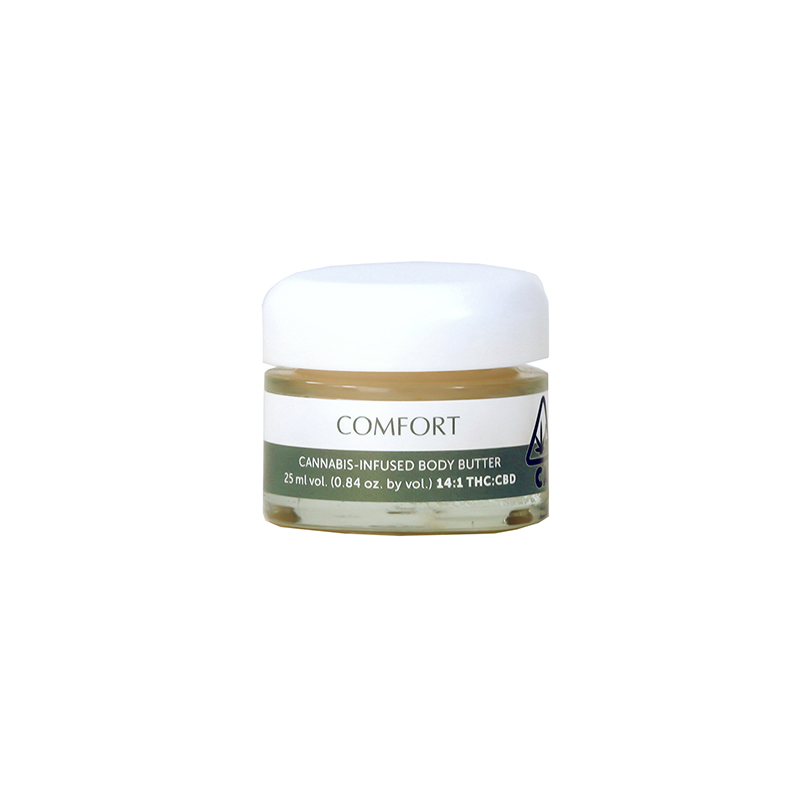
- Best for daily aches, chronic pain zones, and sore joints or muscles
- Fast-absorbing body butter that fits easily into a daily routine
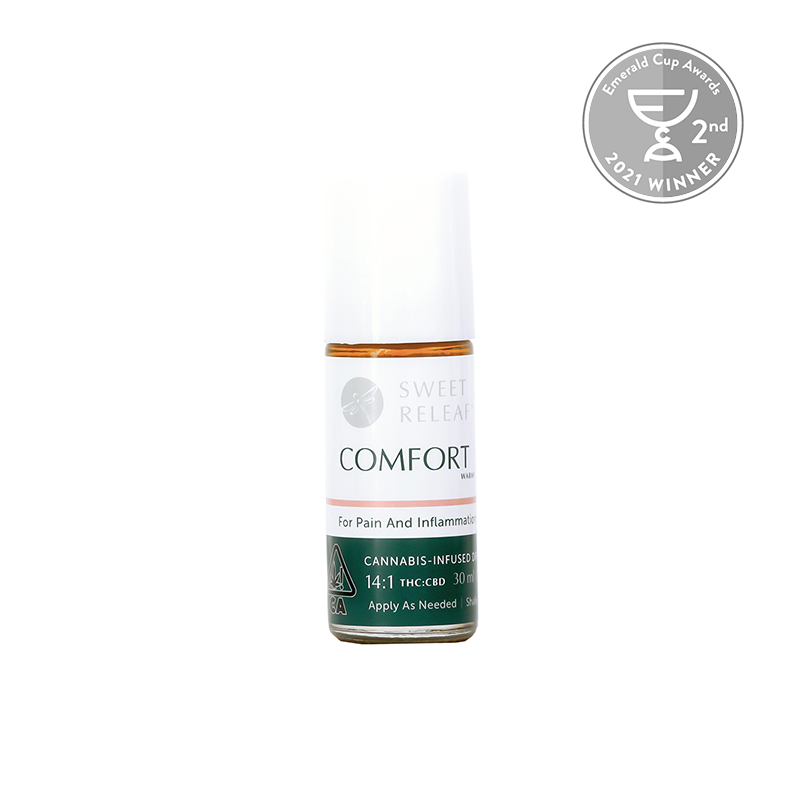
- Best for stiff muscles, pre-activity preparation, or post-exercise recovery
- Warming sensation paired with targeted topical application
Tune In Your Inner Balance Machine
The more we learn about the way our bodies react to cannabinoids, the more we understand how much there is left to discover. Our knowledge of the endocannabinoid system is still fairly limited, but what we know so far is very exciting.
The intricacies of this biochemical machine and the healing power of the plant are deeply intertwined. Advances in one area reflect in the other, so every new study brings us a step closer to fully developed cannabis science.
For the team behind Sweet Releaf, this link is very palpable. We put all of our education and practical experience into the making of our THC topical creams. Ask about them in your local dispensary and let us know if they work for you.