THC before a workout may reduce pain perception, improve mood, and make exercise feel more enjoyable for some people. However, higher doses can impair coordination and reaction time. Many athletes prefer THC topicals instead, which relax muscles and reduce soreness without causing a psychoactive high.
From Couch Stereotype to Gym Companion
For a long time, weed and workouts seemed like opposites.
One was linked to slowing down. The other to pushing the body harder.
That contrast has been fading as more athletes, hikers, and active adults experiment with cannabis around exercise. Many people exploring this idea share the same goal. They want to move through soreness and stiffness without adding another pill or sacrificing mental clarity before a workout.
Topical cannabis has become a practical solution for that situation. When THC is applied directly to muscles and joints, it interacts with cannabinoid receptors in the skin and surrounding tissues. This local activity can help the body move more comfortably during exercise.
A high-THC topical applied before a workout may help:
- loosen tight muscles before training
- reduce soreness that limits range of motion
- make warmups more comfortable
- ease joint stiffness during activity
- support recovery from lingering minor injuries
Because the cannabinoids remain in the skin rather than entering the bloodstream, these creams do not produce a psychoactive high. The effect stays focused on the area where the topical is applied, allowing athletes and active adults to train with a clear head.
Sweet Releaf, a California cannabis company known for high-THC topical formulations, has built its reputation around that principle. The goal is straightforward. Deliver meaningful pain relief while keeping the mind sharp and functional.
The sections ahead explore how THC interacts with muscle tissue, whether getting high during exercise makes sense for some people, and why many active individuals now reach for a THC topical before workouts instead of smoking or edibles.

How THC Affects Tight Muscles
Exercise creates microscopic strain in muscle fibers, then the body repairs that tissue through an inflammatory process. That repair cycle builds strength, yet it also leaves many people training through tightness, soreness, and reduced range of motion.
THC interacts with the endocannabinoid system, a network involved in regulating pain signaling, inflammation, and muscle tone. When THC engages receptors in the skin and surrounding tissues, many people experience reduced soreness intensity, a more relaxed muscle feel, improved mobility, and easier warmups.
This matters even more after forty, when stiffness tends to show up faster and leave more “hang time” after activity.
How Relaxed Muscles Improve Your Workout
Looser tissue tends to move better. That means cleaner positions, smoother mechanics, and less fight in the warmup.
In real life, it can look like this:
- Lifting: improved depth and control in squats, easier shoulder positioning for presses and pulls
- Running: a freer stride and less “tight rope” sensation in calves and hips
- Hiking: steadier pacing with fewer flare-ups in knees, ankles, and low back
- Active lifestyles: more comfortable movement during long days on your feet, house projects, or outdoor work
The Injury Question: Can THC Hide Pain Too Well?
This worry usually comes from ingested THC, where higher doses can dull warning signals and affect reaction time or judgment. Topicals behave differently because the effects stay local in the tissues where they are applied.
Here is what to keep in mind:
- High-dose edibles or smoking can reduce protective “sharp” feedback during training
- This risk relates to whole-body psychoactive effects and altered perception
- Topicals act in the skin and nearby tissues rather than shifting brain-based awareness
- Inflammation and tension can ease while coordination and movement feedback remain clear
Should You Actually Work Out While High?
Some athletes view THC as a tool that changes how movement feels in the body. Others see it as a distraction that interferes with performance. Both perspectives show up regularly in gyms, on running trails, and in online fitness communities. The divide usually comes down to how a person responds to THC and what type of training they are doing.
That split in opinion has fueled a long-running debate in the fitness world about whether cannabis belongs anywhere near a workout.
Why Some Athletes Like THC Before Training
Some people report that THC changes how they experience movement. Body awareness can increase, making it easier to notice how muscles engage during an exercise. Lifters sometimes describe a stronger connection to the muscles they are targeting, which can improve focus during controlled movements like presses, rows, or slow tempo squats.
Repetitive exercise also feels different for some users. Long runs, cycling sessions, or steady hikes can take on a rhythmic quality where the mind settles into the motion of the activity. Many describe this as a flow state, where the effort feels smoother and attention stays anchored in the movement itself.
Runners often talk about cannabis amplifying the natural lift in mood that arrives during sustained exercise. That shift in perception can make long miles feel more engaging and less mentally draining.
Why Getting High at the Gym Isn’t for Everyone
The same compound that relaxes some athletes can interfere with performance for others. THC can slow reaction time, reduce coordination, and raise heart rate. Those effects may complicate movements that require precision, balance, or quick adjustments under load.
Strength athletes sometimes report feeling weaker or less explosive when training while high. Complex lifts demand clear concentration, and even a mild shift in perception can break focus during a heavy set. Some people also feel uneasy about building a routine that depends on cannabis before every workout.
Many active adults simply prefer to keep their head clear while training. They want the physical benefits of cannabis without altering awareness or coordination.
The Middle Ground: THC Benefits Without the High
Many people exploring cannabis and exercise arrive at the same question. They want the muscle relief that THC can provide, yet they also want steady coordination, clear thinking, and reliable awareness during a workout.
That combination leads many athletes and active adults toward topical cannabis.
A THC cream offers a practical middle path. Instead of entering the body through inhalation or digestion, cannabinoids are applied directly to the muscles and joints that need support.
How THC Topicals Work on the Skin
Topical cannabis works through a local interaction between cannabinoids and receptors located in the skin and surrounding tissue.
- The cream is massaged directly into muscles, joints, or connective tissue that feel tight or irritated.
- Cannabinoids such as THC interact with CB2 receptors found throughout the skin and nearby tissue layers.
- Those receptors help regulate inflammatory signals and muscle tension in the treated area.
- As inflammation settles, discomfort often eases and the muscle tissue relaxes.
- Because the cannabinoids remain in local tissue, they do not circulate through the bloodstream or reach the brain.
The result is targeted physical relief without intoxication or altered perception.

How Long Do Topicals Stay Active
Timing works well for physical activity. Many users notice the first effects within five to twenty minutes after application. That window lines up naturally with stretching, mobility work, and other warmup routines.
Once active, a high-quality THC topical often continues working for two to four hours. That duration comfortably covers most gym sessions, trail runs, long hikes, or extended periods of physical work. Muscles tend to stay looser during movement, and the steady relief can help prevent stiffness from returning midway through an activity.
Will THC Cream Show Up on a Drug Test?
Drug testing remains a frequent concern for people exploring cannabis topicals. Standard THC creams operate within the skin and nearby tissues where they are applied. Cannabinoids stay localized rather than circulating through the bloodstream, which means they do not register on typical drug screenings.
One category behaves differently. Transdermal patches are designed to deliver cannabinoids deeper into the body so they can enter circulation. Traditional cannabis creams, lotions, and body butters remain confined to surface tissues and do not create that effect.
What Kind of THC Topical Is Best for Pre-Workout?
A topical used before exercise has a simple job. It should sink into the tissue quickly, calm irritated muscle fibers, and leave the skin comfortable enough for movement instead of sticky or heavy.
Cannabinoid strength drives that effect. Muscles that feel locked up after training or long hours of activity respond when enough THC reaches the receptors sitting in the skin and connective tissue. A well-built topical delivers cannabinoids where the work happens while the mind stays clear for the workout ahead.
Why High-THC Creams Work Best for Muscle Pain
THC plays a direct role in how the body processes physical discomfort. When it interacts with cannabinoid receptors in the skin and nearby muscle layers, inflammatory signals begin to quiet down and tense muscle fibers soften.
The change shows up as smoother movement, easier stretching, and joints that feel ready instead of stubborn.
That shift becomes noticeable during the first minutes of activity. Warmups flow better because muscles are less guarded. Squats settle deeper, shoulders rotate more comfortably, and tight calves begin to release during the first stretch of a run.
Many cannabis creams carry only trace amounts of THC. They feel pleasant during application yet rarely influence muscle tension in a meaningful way.
Active people searching for real relief usually discover that stronger THC formulas create a clear difference once the cream reaches the tissue.
Why Sweet Releaf Creams Absorb and Work So Well
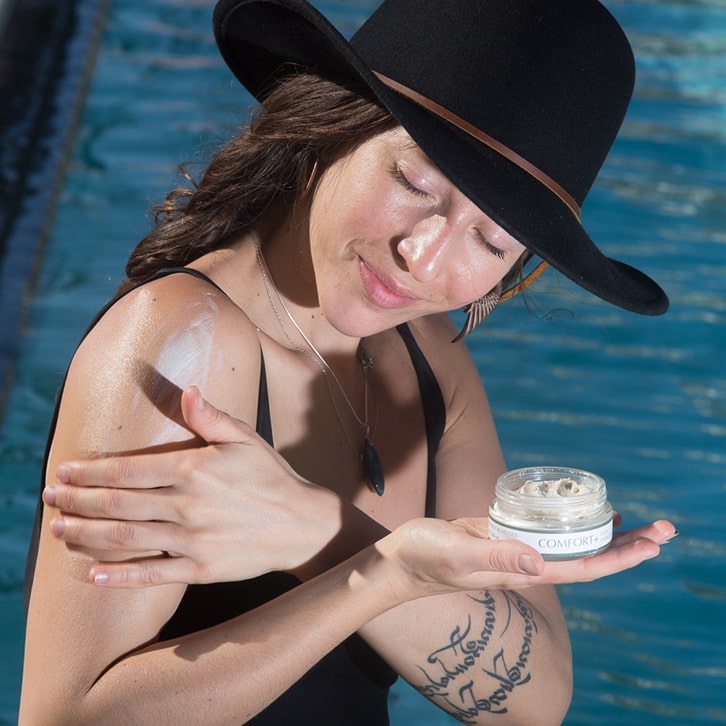
Sweet Releaf formulas rely on a body-butter emulsion rather than the waxy salves common in the cannabis aisle. Oil and water are blended into a stable cream that spreads easily across the skin and moves cannabinoids into the tissue with very little resistance.
The texture melts into the skin within moments. Aloe vera keeps the tissue hydrated while cocoa butter supports the skin during repeated use. Carefully chosen essential oils contribute a clean natural aroma that fits into a wellness routine instead of announcing itself like medicine.
The end result feels like a refined skincare product while carrying the cannabinoid strength needed for serious muscle support.
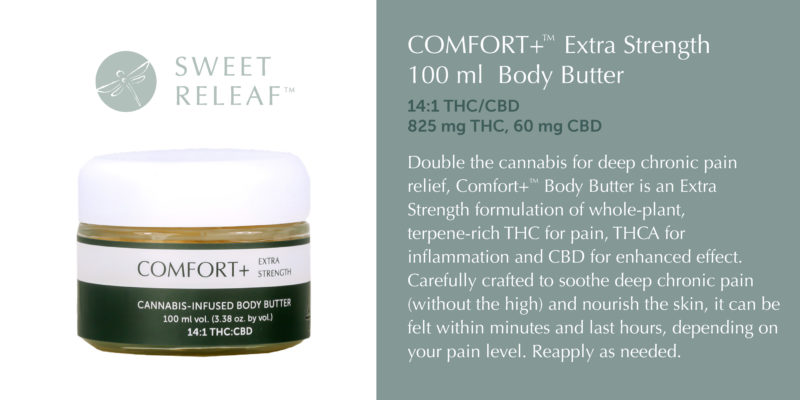
Sweet Releaf Topicals Athletes Love Before Workouts
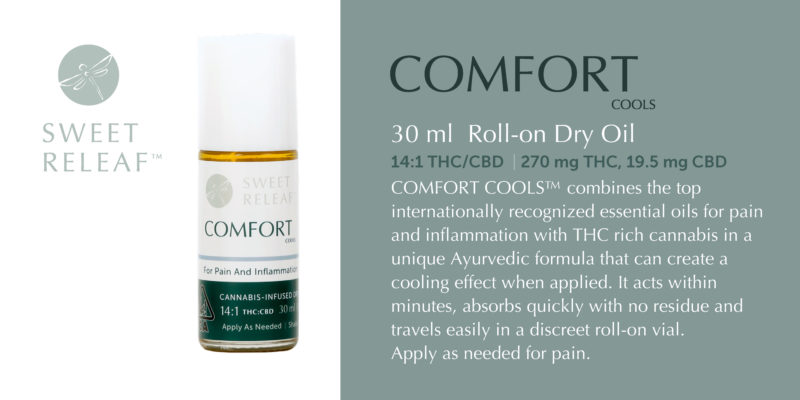
Comfort+ Extra Strength Body Butter.
Cannabis Workouts Without the Stereotypes
The old image of cannabis as a synonym for laziness never made much sense anyway.
People have always used plants, oils, and balms to keep their bodies moving. Cannabis simply joined that tradition once the stigma began to loosen its grip. These days you’ll find runners, climbers, lifters, and weekend hikers experimenting with cannabis in ways that support movement rather than sideline it.
For many active people the sweet spot comes from keeping the mind clear while the muscles get a little help. That is where a strong topical earns its place in a gym bag.
A well made cream can loosen stubborn tissue, calm irritation, and let the body move the way it wants to.
That philosophy sits at the heart of Sweet Releaf, where small batch craft and serious THC potency come together to help people stay active. Find our products in a dispensary near you and try using a real cannabis cream before your next workout.