Spend a little time in the medical cannabis world and a pattern appears quickly. The community divides into two camps that argue about a single question. Which cannabinoid actually relieves pain better, CBD or THC?
Some people treat CBD as the gentle solution that supports the body without altering the mind. Others insist that THC carries the real therapeutic power because of how it interacts with the nervous system.
The discussion repeats across forums, dispensary counters, and wellness articles. Each side presents a list of reasons.
Arguments from the CBD side include:
- CBD may calm inflammatory pathways associated with joint and muscle pain
- It does not produce intoxication
- Hemp-derived CBD products are widely available
- Many people feel comfortable using it during daily routines
The THC camp has its own talking points:
- THC binds strongly to cannabinoid receptors involved in pain signaling
- Patients often report deeper relief with THC-rich formulas
- Higher cannabinoid potency tends to create faster noticeable effects
- CBD alone can feel too mild for arthritis, nerve pain, or post injury recovery
Both perspectives contain useful insights. The body’s biology adds more layers than most debates acknowledge.
Sweet Releaf is a small specialist company, and we spend our time making cannabis topicals for people managing arthritis, injuries, post surgical discomfort, and the wear that comes from active lives.
Years of hands-on work and feedback from customers have pointed to the same lesson again and again. The question is less about choosing a single cannabinoid and more about how cannabinoids interact with the body’s endocannabinoid system.
That interaction begins to explain why different cannabis formulas produce very different results.

Why Cannabis Is Becoming Part of the Pain Conversation
Chronic pain has quietly pushed cannabis into mainstream medical discussion.
What makes cannabis interesting to researchers and clinicians is simple biology. The plant contains compounds that interact with a system inside the human body that already regulates pain, inflammation, and stress responses. That system is called the endocannabinoid system.
When cannabinoids from the plant enter the picture, they can influence how strongly pain signals travel through the nervous system and how the body responds to tissue irritation.
The Endocannabinoid System: Your Body’s Pain Regulator
Every human body carries a signaling network designed to keep internal processes in balance. Scientists call this network the endocannabinoid system, or ECS.
The ECS includes two primary receptor groups.
CB1 receptors appear mostly in the brain and central nervous system.
CB2 receptors appear throughout immune tissues, organs, skin, and peripheral nerves.
The body produces its own cannabinoids that activate these receptors. Plant cannabinoids such as THC and CBD share similar molecular structures, which allows them to interact with the same signaling network.
When cannabinoids engage these receptors, they can shift how pain signals are transmitted and interpreted across the nervous system.
Cannabinoids and Pain: A Research Snapshot
Researchers have spent the past two decades examining how cannabinoids influence different types of pain.
Several categories of pain appear repeatedly in the literature:
- inflammatory pain associated with arthritis and tissue irritation
- neuropathic pain caused by nerve injury or nerve dysfunction
- chronic musculoskeletal pain involving joints, tendons, and connective tissue
- treatment resistant pain that responds poorly to conventional therapies
Clinical research offers some support for these observations. A controlled trial published in The Journal of Pain (Wilsey et al., 2013) found that vaporized cannabis reduced neuropathic pain intensity in patients who had not responded well to other treatments. A large meta-analysis in JAMA (Whiting et al., 2015) reviewed dozens of cannabinoid trials and reported moderate evidence supporting cannabis-based therapies for chronic pain.
Laboratory studies also shed light on the mechanisms involved. THC activates CB1 receptors associated with neural pain signaling. CBD appears to influence inflammatory pathways and neurotransmitters involved in pain processing.
CBD for Pain Relief: Helpful, But Often Misunderstood
CBD has become the most widely marketed cannabinoid in the wellness space. Its popularity comes from a simple fact. It allows people to explore cannabis without experiencing intoxication. That reputation has positioned CBD as a gentle entry point for people searching for relief from chronic discomfort.
When the conversation turns specifically to pain, the story becomes more nuanced.
What CBD Appears to Do Well
CBD interacts with several biological pathways that influence inflammation and nervous system signaling. Research shows it can reduce inflammatory activity in certain tissues, which may ease swelling and irritation associated with joint strain or muscle fatigue. This anti inflammatory activity partly explains why many people report relief from mild aches after using CBD products.
CBD also interacts with serotonin receptors that regulate mood and stress responses. Chronic pain often intensifies when the nervous system stays in a heightened stress state. By calming that signaling pathway, CBD can help the body settle into a more relaxed physiological rhythm.
For people experiencing stress driven muscle tension or mild inflammatory discomfort, these combined effects can create noticeable improvement in day to day comfort.
The Limitation Many People Run Into
Feedback from people dealing with deeper chronic pain often follows a similar pattern. CBD provides partial relief yet stops short of addressing the core pain signal.
Individuals managing arthritis, nerve injury, or post surgical recovery frequently report that CBD helps the body relax. Sleep improves, tension eases, and inflammation may calm slightly. Despite these benefits, the underlying pain often remains present at a level that still limits movement or activity.
Another challenge involves dosing.
CBD concentrations vary widely between products, and many commercially available formulas contain relatively small amounts of active cannabinoid. This leaves many people experimenting with strengths and formats while trying to determine how much CBD actually produces a meaningful effect.
THC for Pain: Why It Often Feels Stronger
THC interacts with the body differently than CBD. While CBD influences several signaling pathways at once, THC engages directly with cannabinoid receptors tied to pain transmission. This direct interaction often produces a more noticeable change in how pain signals move through the nervous system.
For many people dealing with persistent pain, that difference becomes obvious the first time they try a THC-rich cannabis product.
How THC Changes the Pain Experience
THC influences pain through two related processes inside the nervous system.
The first involves neurological signaling. THC activates CB1 receptors located along nerve pathways in the brain and spinal cord. These receptors regulate how strongly pain signals travel through the nervous system. When THC engages them, the intensity of those signals can decrease before they reach full awareness in the brain.
The second effect takes place in how the brain interprets pain once it arrives. THC can shift the emotional weight attached to pain sensations. Instead of dominating attention and creating constant distress, the sensation often feels quieter and easier for the mind to process.
Patients frequently describe this shift in practical terms. The discomfort may still exist, yet it feels less overwhelming and easier to work around during daily activity.
For this reason some people explain that THC makes pain feel more manageable rather than making it vanish entirely.

The Trade-Off: Psychoactive Effects
Despite its potential benefits, many people hesitate to explore THC for one clear reason. They want relief without feeling intoxicated.
Questions tend to surface quickly when THC enters the discussion. People wonder whether they will remain productive during the day or whether their concentration will drift. Others worry about dosage and the possibility of taking more than their body tolerates comfortably.
These concerns make sense. THC influences the brain in ways that extend beyond pain signaling, and the psychoactive experience can feel unfamiliar for someone who has never used cannabis before.
CBD and THC Work Best In a Tandem
The debate between CBD and THC often treats them as competitors. In practice, many clinicians and cannabis researchers see a different pattern. Cannabinoids tend to perform better when they work together inside the body.
This cooperative behavior is commonly called the entourage effect. The idea is simple. Multiple cannabinoids interacting with the endocannabinoid system can produce a broader therapeutic response than a single compound working alone.
CBD and THC complement each other in several useful ways:
- CBD may soften the psychoactive intensity associated with THC
- THC provides stronger direct relief by engaging CB1 receptors tied to pain signaling
- CBD contributes anti inflammatory activity that supports tissue recovery
Together these mechanisms can create a more balanced effect that addresses both the physical source of discomfort and the nervous system signals that amplify pain.
In real-world use, this translates into formulations that combine the two cannabinoids rather than isolating them.
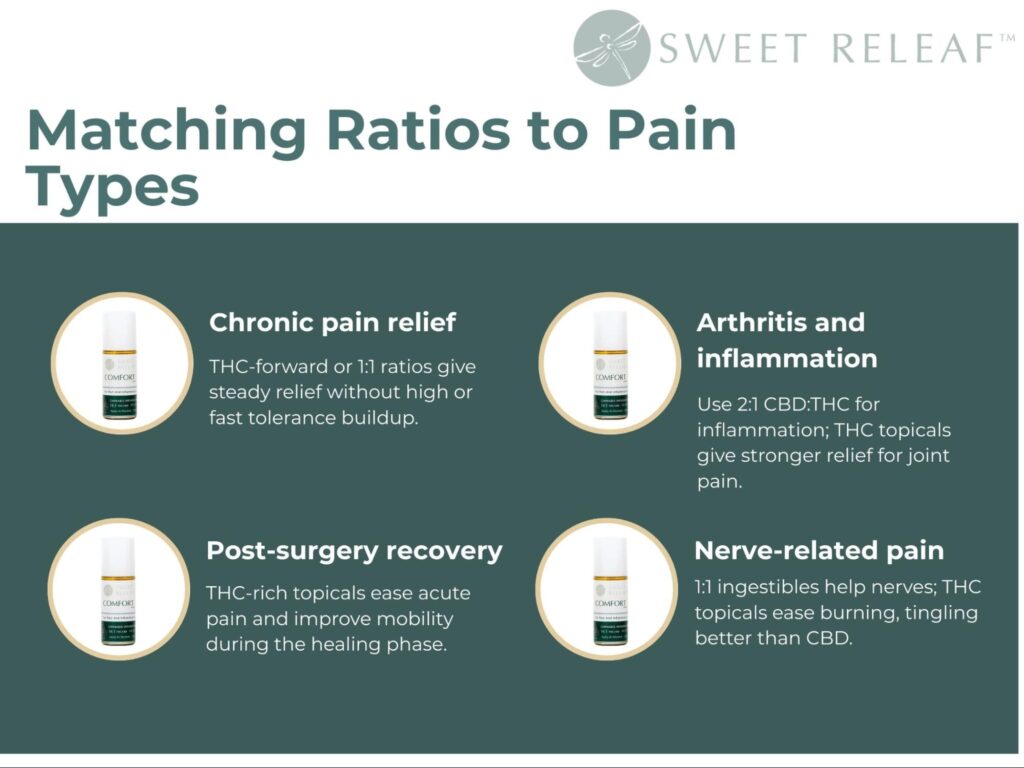
You will find very different ratios in the market, including both extremes as well as the balanced option. Here are some common formats.
- 3:1 CBD to THC
- 1:1 CBD to THC
- THC dominant formulas (7:1 THC to CBD or more)
Yet cannabinoid ratios tell only part of the story. How those cannabinoids enter the body can dramatically shape how the experience unfolds.
Topical Creams with THC and CBD Are the Perfect Middle Ground
When people hear THC, their mind usually goes straight to smoking, vaping, or edibles. Those methods send cannabinoids into the bloodstream, which is why they influence mood, perception, and cognition.
Topical cannabis works through a very different pathway.
When cannabinoids are applied to the skin, they interact mainly with CB2 receptors located in peripheral tissues such as muscles, joints, and connective tissue.
Instead of circulating through the bloodstream, the cannabinoids stay concentrated in the area where they are applied. This localized interaction allows the compounds to influence inflammation and pain signaling in nearby nerves without producing intoxication.
For people searching for relief while maintaining mental clarity, that difference matters. A well formulated topical can deliver cannabinoids directly to the place where pain originates, allowing the rest of the body and brain to carry on normally.
Why Cannabis Topicals Fit Into Active Lifestyles
For many adults over forty, physical activity becomes a balancing act. The same activities that support long term health can also produce soreness and joint irritation when the body has carried decades of movement.
Pain gradually narrows daily routines. A knee that complains during long walks, a shoulder that tightens during yard work, or a lower back that stiffens after exercise can slowly reduce how much people move.
Topical cannabis offers a practical way to manage these interruptions. Because cannabinoids act locally in the tissues beneath the skin, people can apply a cream directly to the area that needs support and continue with the day.
Sweet Releaf Products Give You the Best of Both Worlds
Work on every Sweet Releaf product begins with one goal: deliver meaningful pain relief through a topical that keeps the mind clear and the body moving.
High potency whole plant cannabis provides the cannabinoid profile, while carefully selected botanical ingredients help the cream absorb quickly and comfortably.
Two body butters with different cannabinoid strengths anchor this approach.
Comfort Body Butter offers balanced cannabinoid support designed for everyday use.
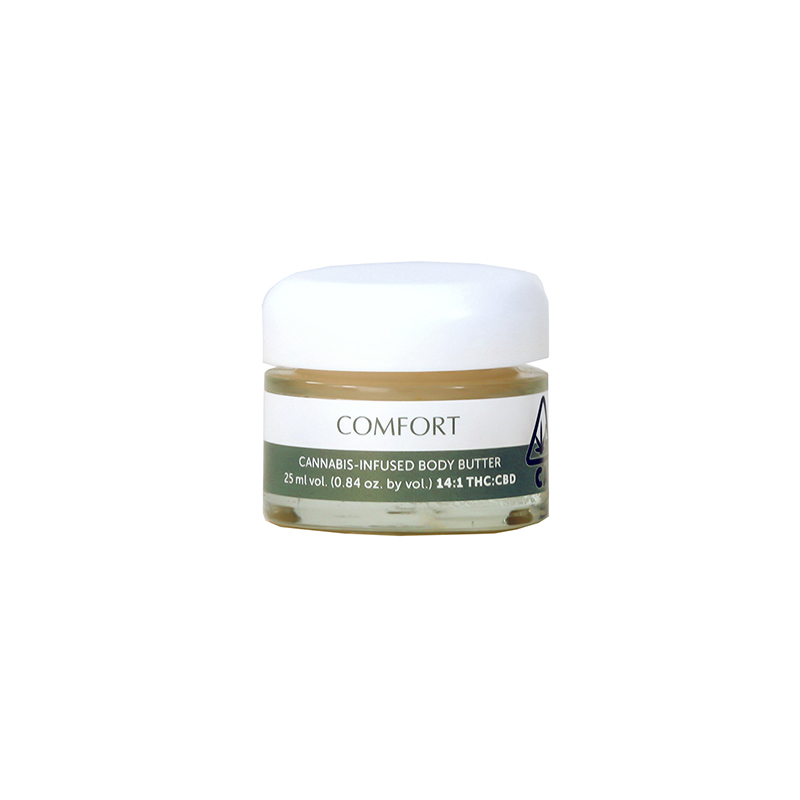
This fine emulsion-based cream can be useful for:
- everyday joint stiffness
- muscle soreness
- post activity recovery
Comfort+ Extra Strength Body Butter provides a more potent solution.
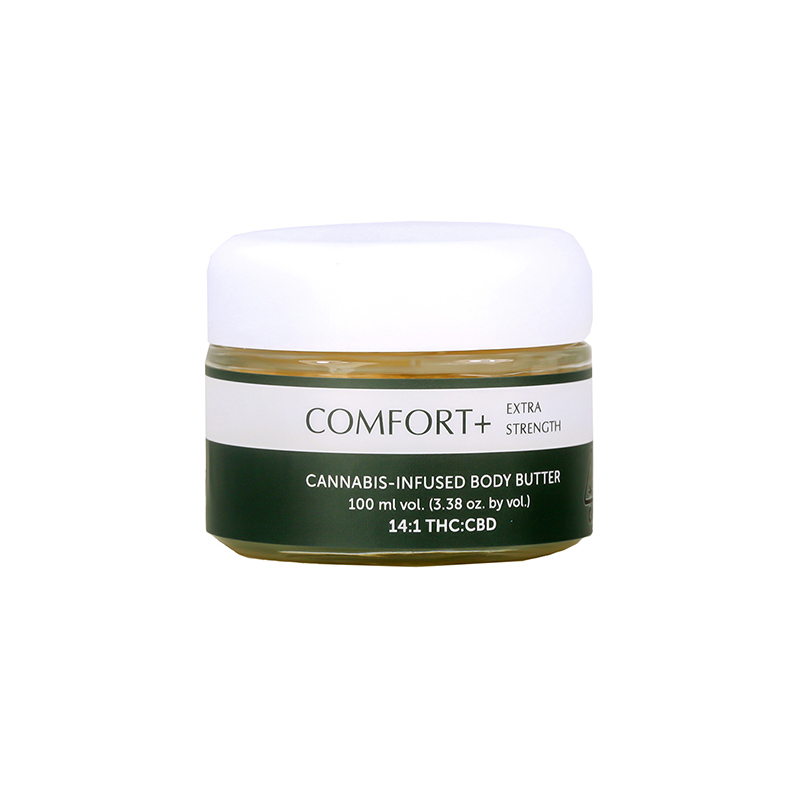
The more robust cannabinoid concentration is designed for:
- chronic pain conditions
- arthritis flare ups
- persistent injuries
Reframing the Conversation Around Cannabinoids
At some point the CBD versus THC debate stops being theoretical. It becomes a very practical question. What actually helps when a knee starts complaining halfway through a hike or when a shoulder tightens after a long day in the garden?
Over the years we have heard the same story from customers again and again. People try a shelf full of CBD products that promise relief but never quite get them moving again. Then they try a topical with real THC behind it and suddenly the conversation changes.
THC can’t do it alone. The best topical creams utilize all the cannabinoid content of the plant and let natural synergy do its magic.
In case you would like to see how full-plant creams rich in THC work, just walk into the nearest California dispensary and ask for Sweet Releaf products.