THC can support sports recovery by reducing pain, improving sleep, and easing muscle tension, without always causing a high.
Topical THC, like Sweet Releaf’s fast-absorbing body butters, delivers targeted relief directly to sore muscles, making it a practical alternative to NSAIDs for post-workout recovery.
Why Athletes Are Moving Beyond NSAIDs
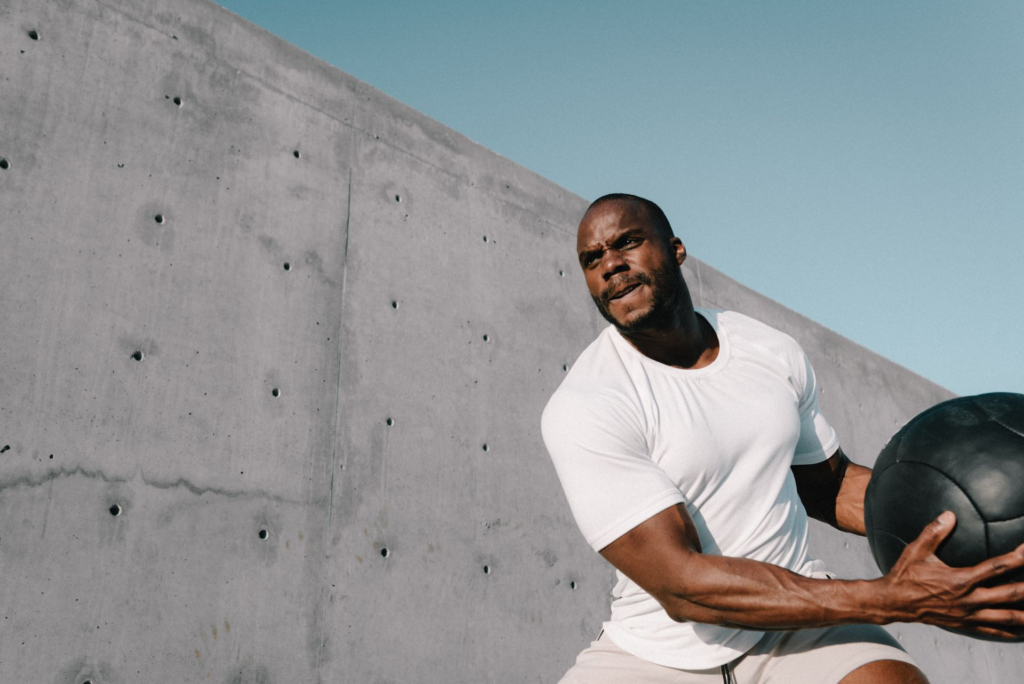
We’ve spent a lot of time around people who push their bodies, runners, climbers, parents, anyone who stays active. Different lives, same pattern: something starts to hurt, and it sticks around.
For years, the answer was simple, take ibuprofen, take the edge off, keep moving.
But that approach has limits. Over time, the relief fades, recovery slows, and the body starts asking for something different.
So more athletes, not just professionals, are turning toward plant-based options that work with the body instead of overriding it.
THC fits into that shift in a very specific way. It’s not about getting high or pushing harder, it’s about helping the body recover from lingering soreness, chronic joint pain, and that cycle of train, inflame, suppress, repeat.
Real recovery starts when the body has a chance to reset, and that’s where THC begins to stand apart.
How THC Supports Recovery When Your Body’s Beat Up
Pain Modulation Without Shutdown
Pain is communication. Most solutions try to silence it, ice numbs it, NSAIDs suppress it, but that comes at a cost.
You feel less, but you also lose the signal your body is trying to send.
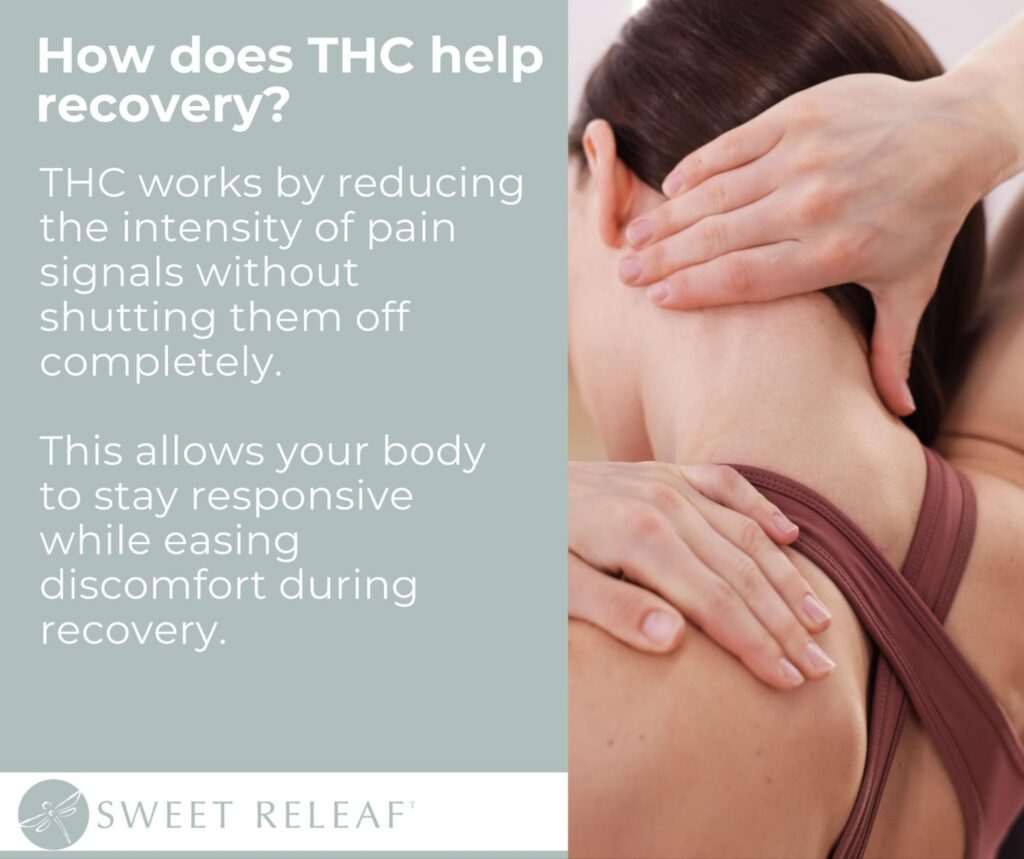
THC works differently. It interacts with the endocannabinoid system to turn the volume down instead of shutting it off.
That means you can still move, adjust, and recover without overdoing it or causing more damage.
Sleep = Real Recovery
Recovery either happens in sleep, or it doesn’t happen at all. That’s when muscles repair, inflammation settles, and the nervous system resets.
For many people, THC simply helps them get there faster and stay there longer.
There’s a common concern about REM sleep. THC can shift sleep cycles, but for someone going from broken 4–5 hour nights to solid 6–7 hours, the tradeoff often works in their favor.
Better sleep tends to mean better recovery, less pain, and more energy the next day.
Muscle Relaxation & Nervous System Reset
After intense training, the body doesn’t just feel sore, it stays switched on. Muscles stay tight, the mind keeps running, and the nervous system doesn’t fully come down.
THC helps ease that transition.
It encourages muscles to release and the body to shift out of that constant “go mode.” It’s subtle, but enough to let recovery actually begin.
Consistency Over Intensity
Progress doesn’t come from one perfect workout, it comes from showing up again and again. And that only happens if pain and soreness don’t take you out of the routine.
THC, when used thoughtfully, can help make that possible. Not by masking everything, but by taking the edge off just enough so you can keep moving.
The goal isn’t to feel nothing, it’s to feel well enough to stay in motion.
Why THC Topicals Are A Game-Changer For Athletes
If you’ve ever taken an edible for soreness, you already know the tradeoff.
Your whole body feels it, even the parts that don’t hurt.
That’s not always helpful when what you really want is relief in one shoulder, one knee, or that stubborn spot in your lower back that keeps talking to you.
That’s where topicals change the equation.
Localized Relief (Without The High)
A well-made THC topical stays local, interacting with receptors in your skin and underlying tissue instead of entering the bloodstream.
What that means in practice:
- Target a specific muscle or joint
- Use it before work, workouts, or driving
- Get relief without any head change
For athletes, that’s the difference. You’re not trying to feel different, you’re trying to move better.
The Entourage Effect: Why THC Alone Isn’t Enough
We’ve never seen a single compound do everything on its own. The plant works as a system, and the body responds the same way.
THC handles pain well, but it works better alongside CBD, minor cannabinoids, and supporting botanicals.
Together, they create a more complete response, calming inflammation, easing tension, and helping everything absorb more effectively.
- THC quiets pain signals
- CBD and others help manage inflammation
- Botanicals help carry it deeper
When those pieces align, the result isn’t subtle, it’s noticeable.
Faster, More Functional Recovery
Soreness doesn’t live everywhere, it lives in specific places. Muscles, joints, connective tissue. So treating it directly makes more sense than sending relief through your whole system.
Topicals work at the source.
You apply, massage, and often feel a shift within minutes, without waiting or guessing how your body will process it.
- Before workouts to loosen tight areas
- After training to calm inflammation
- Later when soreness comes back
That flexibility matters, because pain doesn’t follow a schedule.
A Different Kind Of THC Recovery: The Sweet Releaf Way
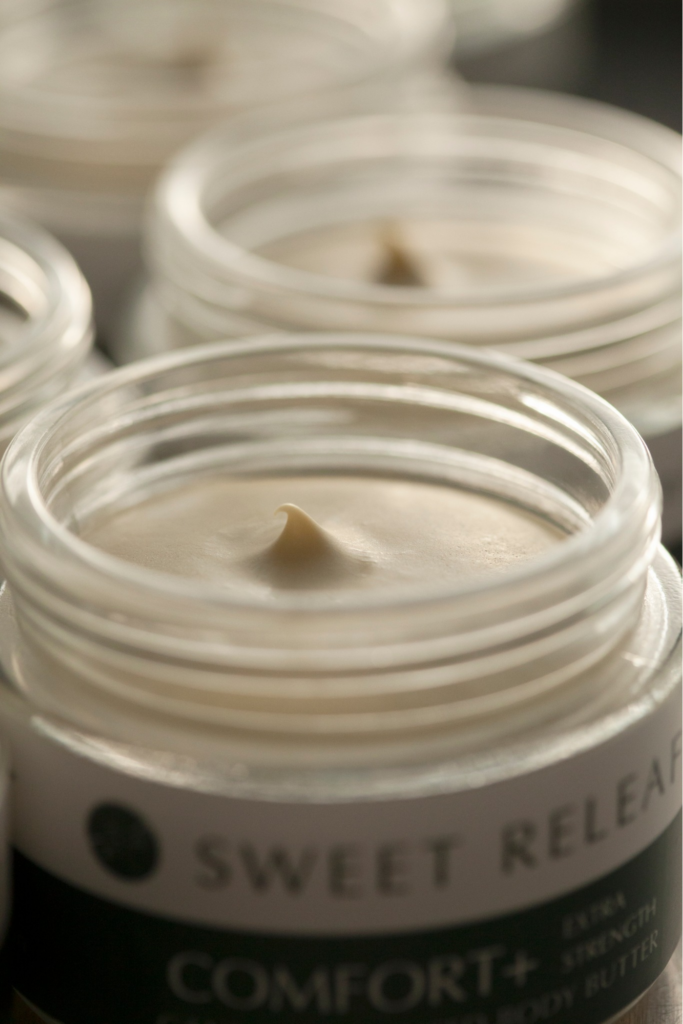
We didn’t set out to make a “sports recovery product.”
We were trying to solve a much harder problem, pain that wasn’t going away. Pain that stopped people from living the way they wanted to.
That changes how you build something.
Built For Real Pain, Not Trends
Sweet Releaf started in a kitchen, not a boardroom.
It was made for someone who had been through a severe accident and needed real relief, not a mild distraction, not a scented lotion that felt nice for five minutes.
That origin still guides everything we do.
These products are for people who’ve tried the lighter stuff and come up short. People who are tired of being told “this should work” when it doesn’t.
Why Our Topicals Work Differently
We use high-THC, full-spectrum cannabis, not isolates, not stripped-down extracts.
And just as important as what goes in… is how it’s delivered.
Our body butters are emulsions. That’s a tricky thing to make, it’s part science, part stubbornness, but it changes everything about how the product behaves.
- It absorbs quickly instead of sitting on the skin
- It carries cannabinoids deeper into muscle and connective tissue
- It feels clean, not greasy
Most salves are oil and wax. They stay near the surface.
An emulsion moves.
That’s the difference you feel.
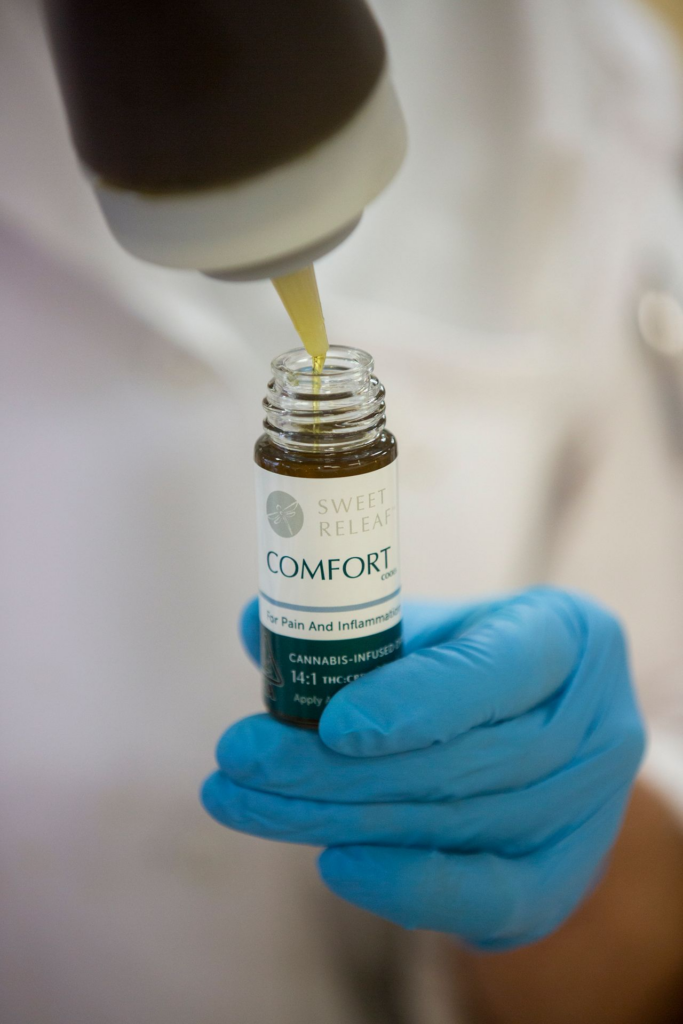
Non-Psychoactive By Design
There’s still a lot of hesitation around THC, especially for people who want to stay sharp, active, and clear-headed.
So let’s be direct:
These topicals don’t get you high.
They’re designed to work locally, not systemically. You can use them in the middle of your day, before a workout, before driving, before anything that requires your full attention.
You get relief, without stepping outside yourself.
Application That Matches Athletic Recovery
How you use a topical matters just as much as what’s in it.
Here’s what I’ve found works best:
- Apply after heat, shower, sauna, or training session
- Take a minute to massage it in, not just spread it on
- Let the body absorb it before layering clothing
Most people feel relief within minutes, and it tends to last 4–6 hours depending on the intensity of what’s going on.
And when the soreness comes back, which it often does, you apply again.
Pain is personal. Recovery should be too.
The Go-To Topicals For Sore, Overworked Bodies
When someone reaches out to me after trying everything, ice, pills, CBD creams that didn’t do much, they’re usually not looking for another experiment.
They want something that meets them where the pain actually is.
That’s how I think about each of these.
Comfort+ Extra Strength Body Butter
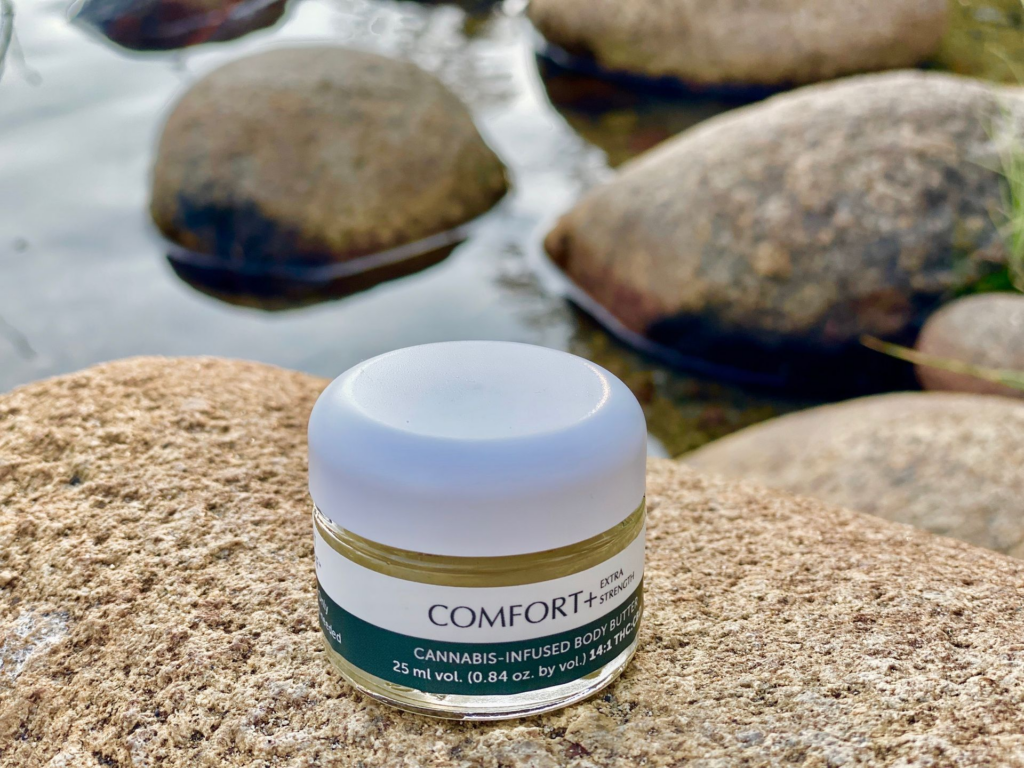
This is the one people reach for when things have gone beyond “normal soreness.”
- Best for: deep muscle pain, chronic joint issues, old injuries that flare up
- Why it works: higher THC concentration means it can handle stubborn pain signals that lighter products just don’t touch
- When to use it: after heavy training days, long runs, or when something feels like it might sideline you
We’ve had people tell me this is what got them back on their feet after they thought they were done being active. That’s not something I take lightly.
Comfort+ Body Butter (Original Strength)
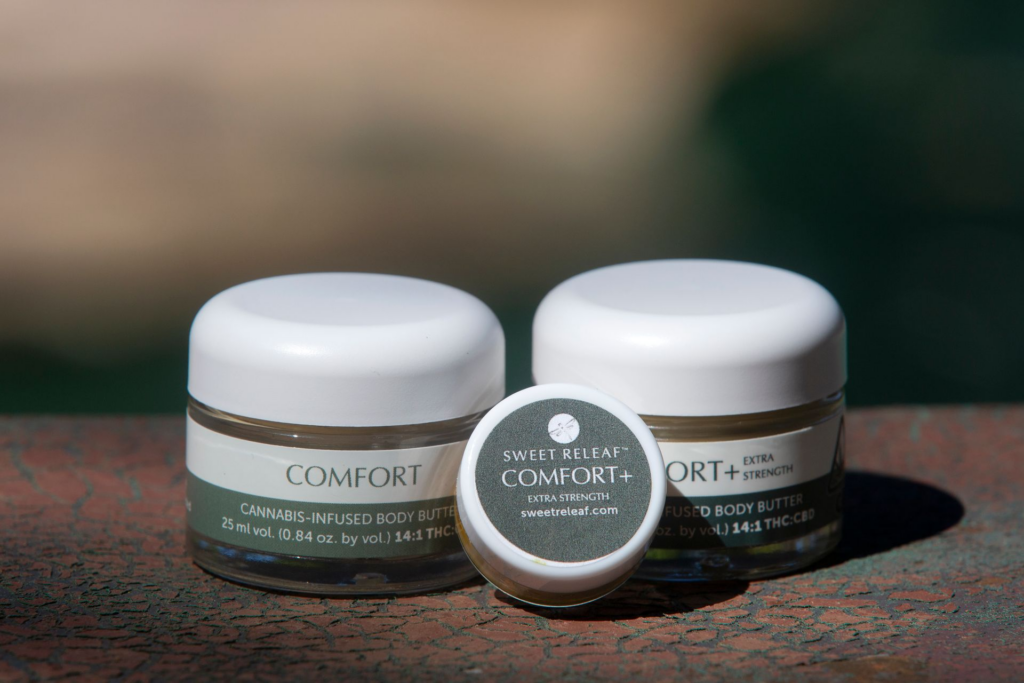
Not every day is a battle. Sometimes it’s just wear and tear.
- Best for: daily soreness, maintenance recovery
- Why it works: balanced potency that you can use consistently without overthinking it
- When to use it: after workouts, before bed, or first thing in the morning when stiffness shows up
This is the jar that tends to live on the counter. It becomes part of your routine.
Comfort Cools Roll-On
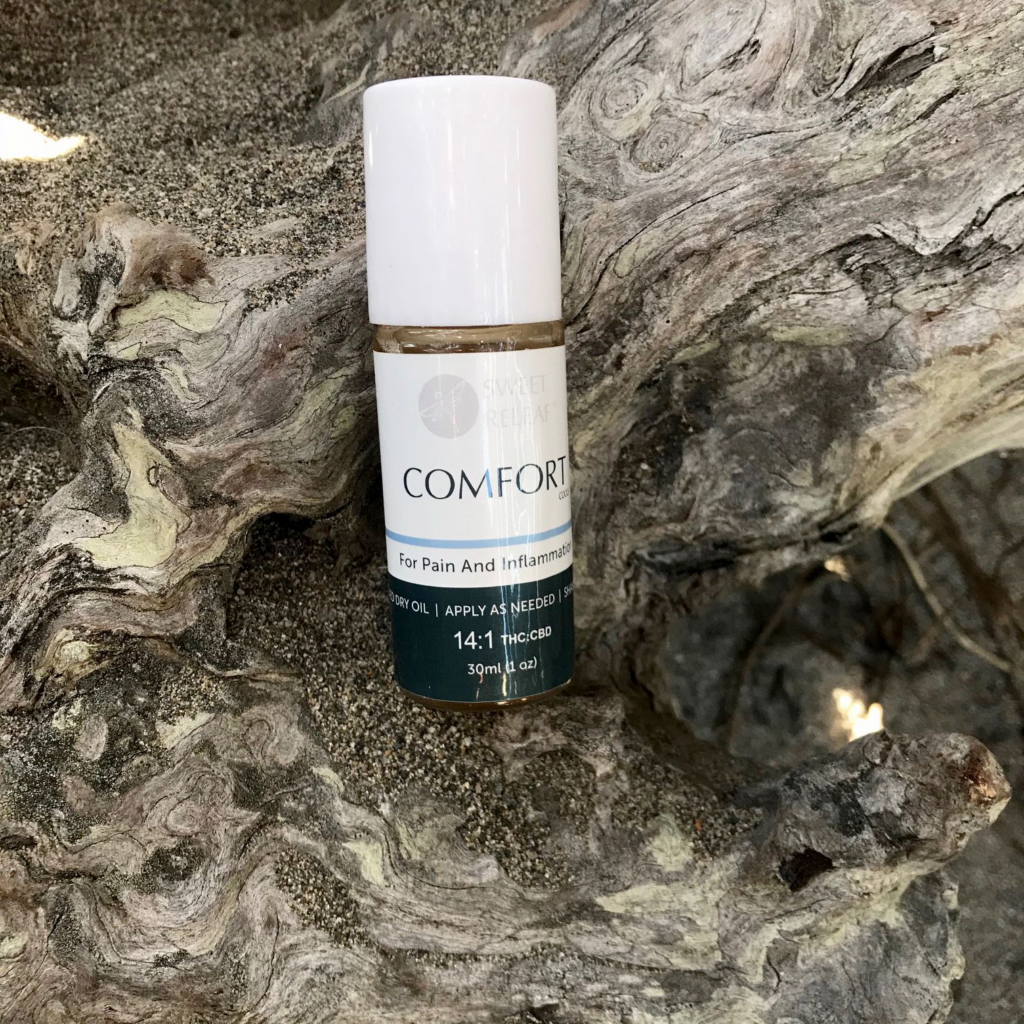
There’s a kind of soreness that feels hot, inflamed, almost reactive.
That’s where cooling helps.
- Best for: inflammation, acute soreness, overworked muscles
- What it does: delivers a cooling sensation that calms things down while the cannabinoids go to work underneath
- When to use it: after runs, HIIT sessions, long days in the heat
It’s quick, portable, and easy to apply when you don’t have time for a full reset.
Comfort Warms Roll-On
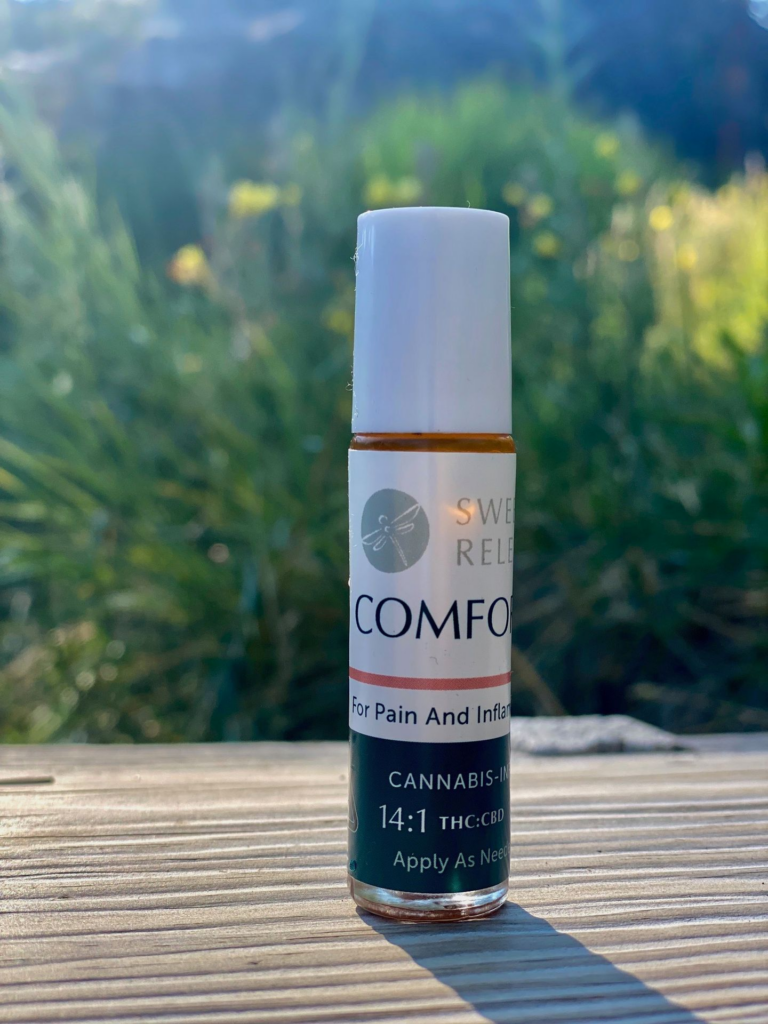
Then there’s the opposite problem, tightness, stiffness, that feeling like your body just won’t open up.
- Best for: stiff joints, limited mobility, pre-workout prep
- What it does: gentle warmth helps loosen tissue and increase circulation
- When to use it: before movement, before stretching, or anytime your body feels locked up
I use this one before long hikes or when something doesn’t want to move the way it should.
What Athletes Still Wonder About THC
Most athletes aren’t asking if THC works, they’re trying to figure out how to use it without messing up their routine.
Questions around dosing, sleep quality, drug testing, and performance come up quickly.
Before adding anything new to recovery, people want clarity, not hype, and for good reason.
What Does “Low-Dose THC” Actually Mean?
“Low dose” gets used a lot, but rarely explained. In edibles, it usually means around 2–5 mg of THC, but how that feels depends heavily on your body, tolerance, and timing.
With topicals, it’s different. You’re not dosing your whole system, you’re applying to a specific area and adjusting based on response.
- Where you apply it
- How much you use
- How your body responds
That’s a more practical way to dial it in.
Will THC Topicals Show Up On A Drug Test?
This is a real concern, especially for athletes with testing requirements. In most cases, THC topicals stay localized and don’t enter the bloodstream in a way that triggers a positive result.
That said, there are exceptions. Poor formulations, transdermal patches, or unusual use could change that.
- Standard topicals = very low risk
- Transdermals = different category
- Edge cases exist
So the honest answer is: low risk, but not zero.
Is This Replacing Recovery, Or Just Masking Pain?
If you’re just hiding pain, you’re not actually recovering. Pain is feedback, it tells you something needs attention.
What THC topicals tend to do is reduce pain enough to help you move, stretch, and rest more effectively.
- Better movement
- Deeper sleep
- More effective recovery habits
It doesn’t replace rest or rehab, it supports them.
The Shift Athletes Are Quietly Making
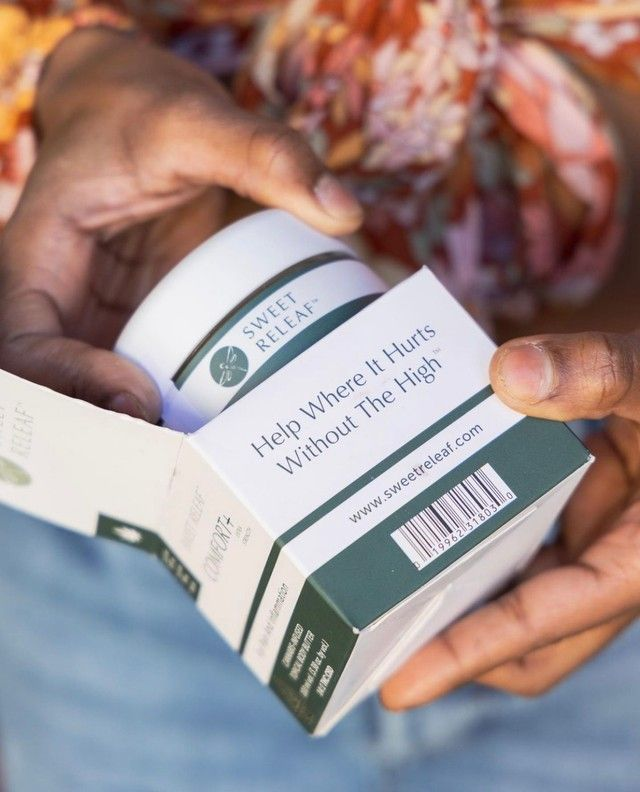
I don’t think this is a loud movement. There’s no big announcement when someone decides they’re done with the old way.
It usually happens quietly.
A bottle of ibuprofen that doesn’t get replaced.
A CBD cream that gets pushed to the back of the drawer.
A moment where someone realizes, “This isn’t actually helping me anymore.”
From what I’ve seen, athletes aren’t abandoning recovery tools, they’re refining them.
They’re moving away from:
- Daily NSAIDs that keep things numb but don’t move the needle
- Low-potency products that promise relief but don’t deliver
And they’re moving toward something more intentional:
- Targeted, plant-based recovery tools that actually work
- Products that respect how the body heals instead of forcing it
That’s where THC topicals have found their place.
Right in the middle.
Strong enough to matter when pain is real. Functional enough to use every day without disrupting your life.
Not extreme. Not flashy.
Just effective in a way that earns its spot in your routine.
Find Sweet Releaf at a dispensary near you and see what a better recovery routine can feel like.
Disclaimer:
This article is for informational purposes only and isn’t medical advice. Sweet Releaf products are designed to support comfort, not to diagnose or treat medical conditions.
Everyone’s body is different, so results can vary. If you have a medical condition or are taking medications, it’s always a good idea to check with your healthcare provider.